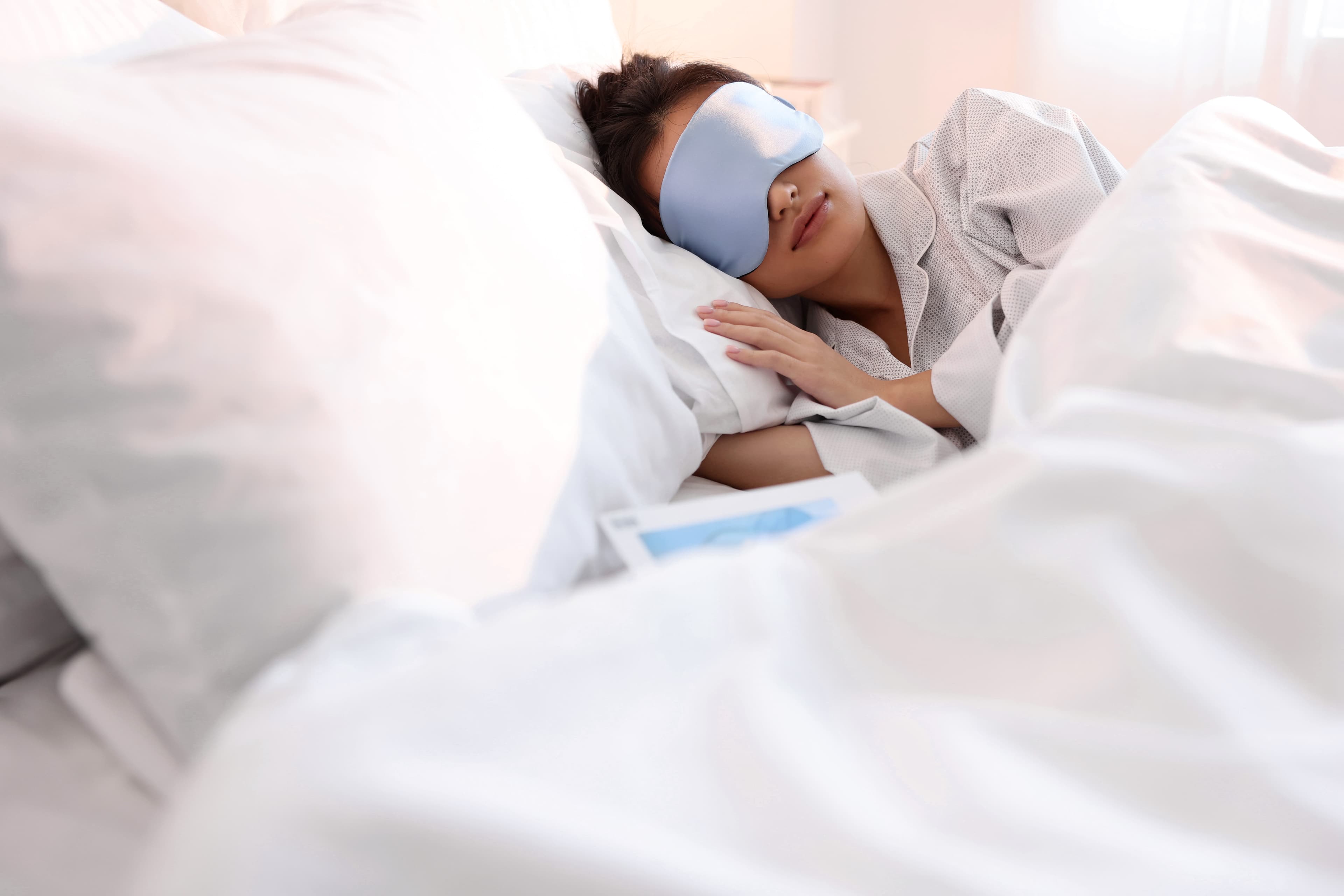

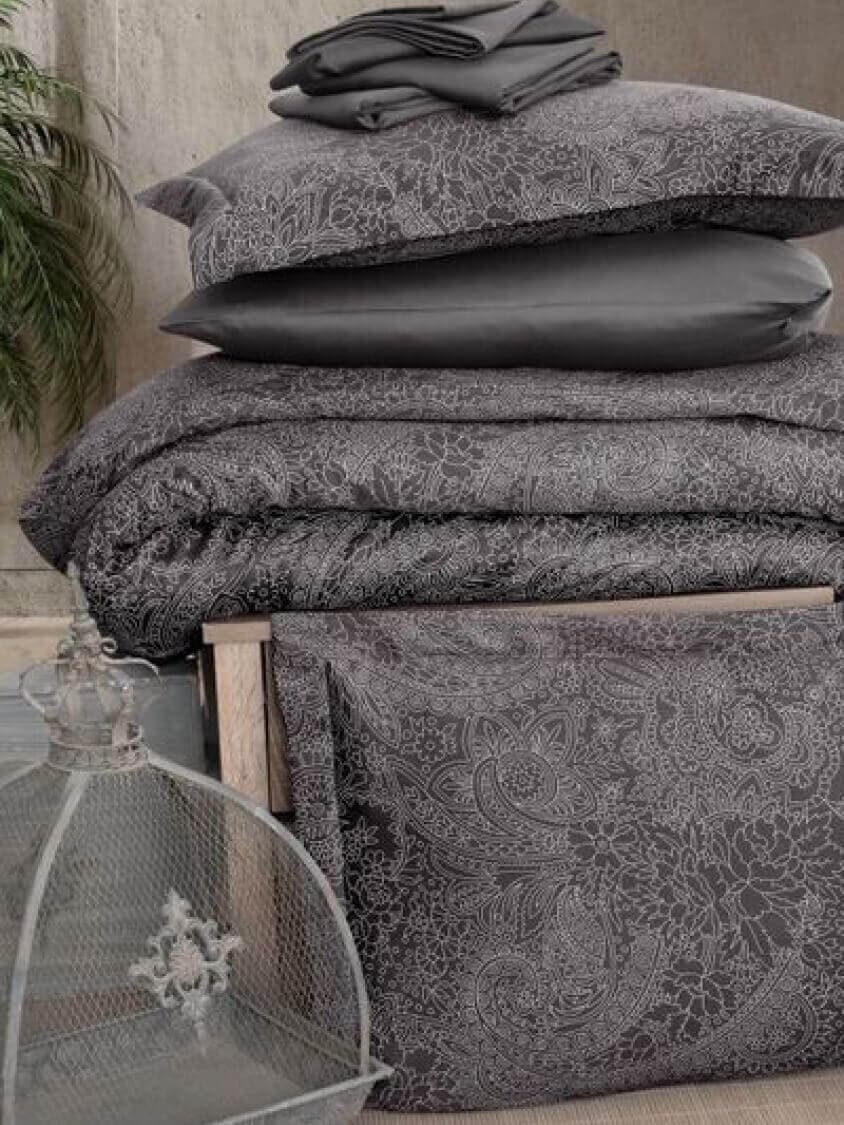
Choosing the right duvets and pillows is essential for allergy sufferers, as it directly affects sleep quality and health. Duvets and pillows made from hypoallergenic and anti-allergy materials help reduce allergy symptoms such as sneezing, coughing, and itchy skin. Materials like microfiber, bamboo, cotton, polyester, silk, and wool offer excellent breathability, which limits the growth of dust mites and mold. The hypoallergenic properties of these materials make them safe for people with allergies.
What's more, duvets and pillows made from these materials are easy to keep clean, which is crucial for allergy sufferers' health. Regular washing at the right temperature removes allergens and preserves the materials' antibacterial properties. These products often come with certificates confirming their effectiveness in reducing allergens, giving you confidence in their performance. Choosing the right duvets and pillows ensures comfortable sleep, thermal regulation, and healthy skin — something invaluable for allergy sufferers.
BLOG NAVIGATION:
1. Duvets and pillows for allergy sufferers: What are their key features?
2. Hypoallergenic materials: Microfiber, bamboo, and cotton
3. Other anti-allergy materials: Polyester, silk, and wool
4. How to care for duvets and pillows to preserve their anti-allergy properties?
5. Health and comfort: How does choosing the right materials affect an allergy sufferer's sleep?
6. Practical tips: How to choose the best duvets and pillows for allergy sufferers?
Duvets and Pillows for Allergy Sufferers: What Are Their Key Features?
Duvets and pillows for allergy sufferers need to meet specific requirements to effectively reduce allergy symptoms and ensure healthy sleep. Above all, hypoallergenic and anti-allergy materials are key. Microfiber, bamboo, cotton, polyester, silk, and wool are the materials most commonly used to make these products.
Microfiber is a popular choice thanks to its breathability and moisture-wicking ability. It's antibacterial, which helps prevent the growth of dust mites and mold.
Bamboo is a natural material that also wicks moisture well, is antibacterial, and is gentle on the skin. Cotton is soft, breathable, and easy to keep clean – regular washing effectively removes allergens.
Polyester is durable, low-maintenance, and lets air pass through well. Silk is a luxurious material that's gentle on the skin and has natural antibacterial properties, along with excellent thermal properties that keep you comfortable in different temperatures. Wool is natural and can regulate both temperature and moisture, helping maintain comfortable, healthy sleep.
Duvets and pillows made from these materials need to be washed regularly to preserve their anti-allergy properties. Washing at the right temperature removes allergens and helps keep them clean. These products often carry certificates confirming their effectiveness at reducing allergens, giving added assurance of their performance.
By choosing duvets and pillows made from the right materials, allergy sufferers can enjoy better health, fewer allergy symptoms, and comfortable sleep. Thanks to good breathability, moisture-wicking ability, and antibacterial properties, these products are safe and effective.
Hypoallergenic Materials: Microfiber, Bamboo, and Cotton
Choosing the right materials for duvets and pillows for allergy sufferers is key to ensuring healthy sleep free of allergy symptoms. Microfiber, bamboo, and cotton are among the best hypoallergenic materials on the market.
Microfiber is a synthetic material known for excellent breathability and moisture-wicking ability. Thanks to its antibacterial properties, microfiber is safe for allergy sufferers, as it limits the growth of dust mites and mold. Additionally, it's easy to keep clean – regular washing at a high temperature removes allergens and preserves its properties.
Bamboo is a natural material that's growing in popularity thanks to its hypoallergenic and antibacterial properties. Bamboo wicks moisture excellently, helping maintain a dry, comfortable sleep environment. It's also soft and gentle on the skin, making it an ideal choice for people with sensitive skin.
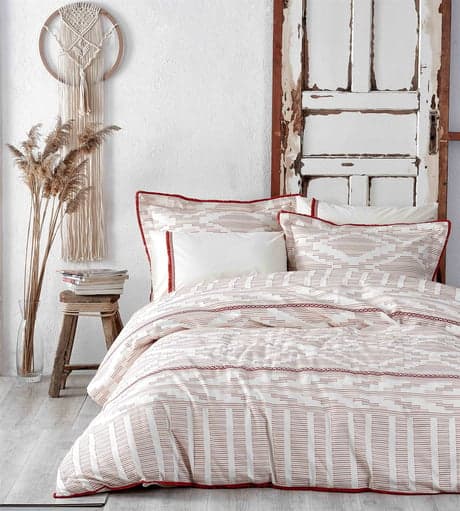
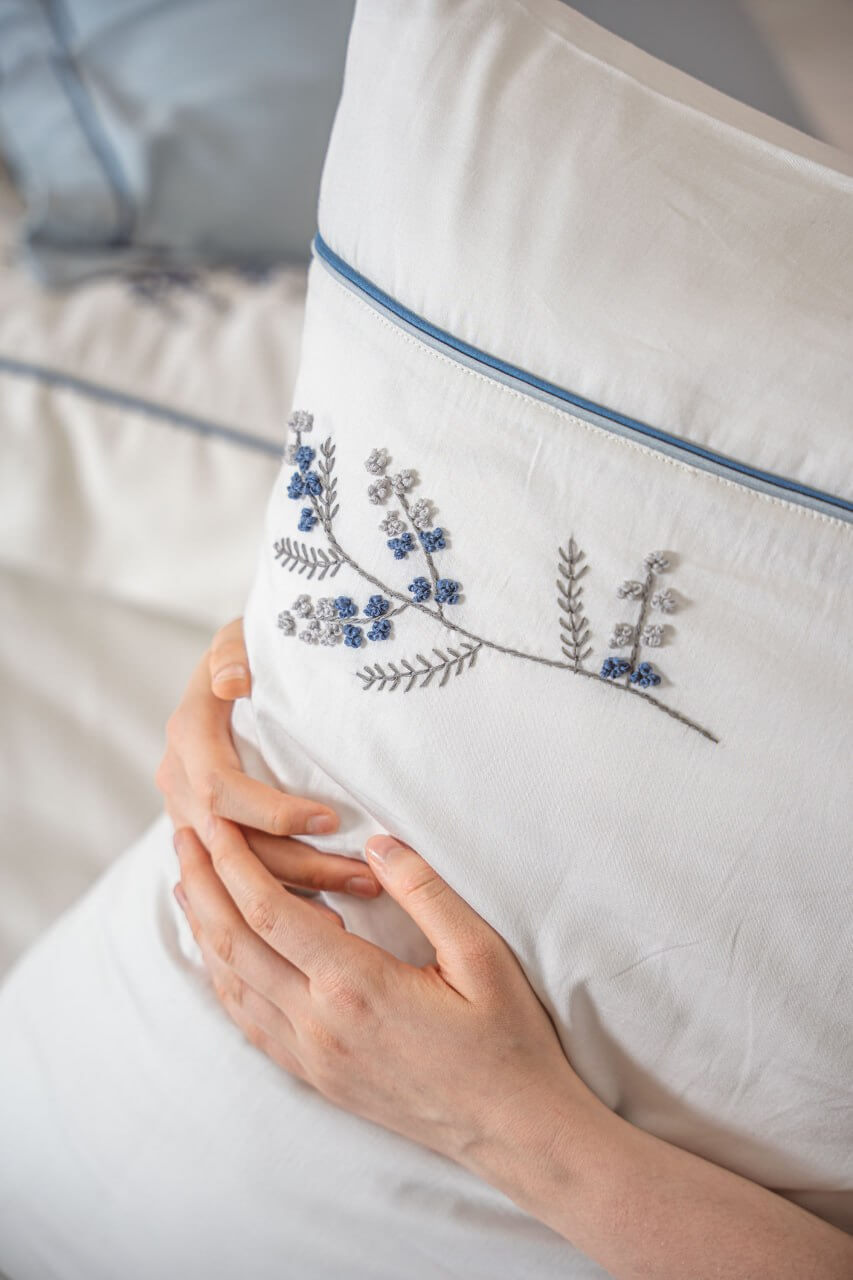
See our embroidered beddingCotton is one of the oldest and most trusted hypoallergenic materials. It's natural, breathable, and soft, ensuring a high level of sleep comfort. Cotton duvets and pillows are easy to wash, which is key to staying clean and reducing allergens. Cotton is also gentle on the skin and doesn't cause irritation.
By choosing duvets and pillows made of microfiber, bamboo, or cotton, allergy sufferers can enjoy healthy sleep free of allergy symptoms. These materials are safe, anti-allergenic, and easy to keep clean, making them an ideal choice for people with allergies. Thanks to good breathability and moisture-wicking ability, they provide thermal comfort and healthy skin.
Other Anti-Allergy Materials: Polyester, Silk, and Wool
For duvets and pillows for allergy sufferers to retain their anti-allergy properties, proper care and regular washing are essential. Regular washing not only removes dust mites and other allergens but also extends the life of hypoallergenic materials.
Microfiber, bamboo, cotton, polyester, silk, and wool all require different care methods. Microfiber is easy to wash and dries quickly. It's recommended to wash it at a minimum of 60°C to effectively remove dust mites and bacteria. Bamboo can also be washed at higher temperatures, but harsh detergents should be avoided, as they can weaken its natural antibacterial properties.
Cotton duvets and pillows can be machine-washed at a high temperature, which effectively eliminates allergens. It's important to dry cotton products thoroughly to prevent mold growth. Polyester is a material that handles frequent washing well and dries quickly, making it easy to keep clean.
Silk requires gentler care. Hand washing or a delicate wash cycle in the washing machine is recommended. Wool duvets and pillows are best washed at low temperatures using special wool detergents to preserve their natural properties.
Keeping duvets and pillows clean is key to healthy sleep for allergy sufferers. Regular washing helps reduce allergy symptoms, ensuring comfortable and safe sleep. It's also important to look for certificates confirming the hypoallergenic properties of products, which guarantee their effectiveness in reducing allergens and protecting skin health.
How to Care for Duvets and Pillows to Preserve Their Anti-Allergy Properties?
Choosing the right duvets and pillows for allergy sufferers has a huge impact on health, sleep comfort, and reducing allergy symptoms. Hypoallergenic materials such as microfiber, bamboo, cotton, polyester, silk, and wool not only prevent the growth of dust mites but also take care of skin health and thermal comfort.
Microfiber is one of the best materials for allergy sufferers thanks to its antibacterial properties and moisture-wicking ability. This helps maintain a dry, safe sleep environment. Bamboo is also an excellent choice thanks to its natural antibacterial and hypoallergenic properties. It soothes the skin and helps regulate temperature during sleep.
Cotton is a classic material that's breathable and soft, making it perfect for people with sensitive skin. Cotton duvets and pillows are easy to wash and keep clean, which is key for allergy sufferers' health. Polyester is durable and low-maintenance, and its structure doesn't encourage dust mites to accumulate, making it a safe choice.
Silk is a luxurious material that's gentle on the skin and has natural antibacterial properties. It's also an excellent thermal insulator, ensuring comfortable sleep in different climate conditions. Wool is a natural material that regulates moisture and temperature well, helping maintain optimal sleeping conditions.
The health and comfort of allergy sufferers' sleep depend on choosing the right duvets and pillows. Hypoallergenic materials help reduce allergy symptoms such as sneezing, coughing, and skin irritation. Certificates confirming a product's anti-allergy properties are an additional guarantee of their effectiveness. The right duvets and pillows can significantly improve sleep quality and health, ensuring a safe and comfortable rest environment.
Health and Comfort: How Does Choosing the Right Materials Affect an Allergy Sufferer's Sleep?
Choosing the right duvets and pillows for allergy sufferers is a key step toward healthy, comfortable sleep. When buying, it's worth paying attention to a few important factors that will help you choose the best products.
Above all, choose duvets and pillows made from hypoallergenic and anti-allergy materials such as microfiber, bamboo, cotton, polyester, silk, and wool. Microfiber and polyester are synthetic materials with high breathability and antibacterial properties that prevent dust mites from developing. Bamboo and cotton are natural materials that are gentle on the skin and easy to keep clean. Silk and wool offer luxurious thermal comfort along with natural antibacterial and moisture-regulating properties.
When shopping, it's also worth checking for certificates confirming a product's hypoallergenic properties. Certificates such as OEKO-TEX Standard 100 or the GOTS Certificate (Global Organic Textile Standard) guarantee that the duvets and pillows are free of harmful substances and safe for allergy sufferers.
Another important factor is how easy the product is to keep clean. Duvets and pillows should be easy to wash so regular cleaning can effectively remove allergens. Microfiber and cotton products generally hold up well to frequent washing, which is key for allergy sufferers' health.
Examples of reputable manufacturers offering anti-allergy duvets and pillows include, among others, brands such as Allerguard, Paradies, and Tempur. They offer a wide range of certified products that ensure safety and comfort during use.
In summary, choosing the right duvets and pillows for allergy sufferers should be based on material quality, certificates confirming their hypoallergenic properties, and ease of keeping clean. This can significantly improve sleep quality, reducing allergy symptoms and ensuring health and comfort every day.
Practical Tips: How to Choose the Best Duvets and Pillows for Allergy Sufferers?
When looking for the perfect duvets and pillows for allergy sufferers, it's key to understand which materials and properties are most beneficial for health and comfort. Microfiber is one of the most frequently recommended materials thanks to its excellent breathability and quick-drying ability, which helps reduce dust mites and allergens. Bamboo is a natural choice that's not only antibacterial but also excellent at regulating moisture, ensuring dry, comfortable sleep.
Cotton, known for its softness and breathability, is a safe choice for sensitive skin, and its ease of washing makes it simple to keep clean. Polyester, although synthetic, offers durability and resistance to stretching, making it a practical choice for anyone looking for anti-allergy options.
Silk and wool, on the other hand, are known for their thermal properties, regulating body temperature at night.
Duvets and pillows made from these materials are often certified, providing added safety and guaranteeing that they're suitable for allergy sufferers. Choosing the right products can significantly improve sleep quality, minimizing allergy symptoms and protecting skin health. Investing in high-quality anti-allergy duvets and pillows not only brings comfort but also contributes to better health and well-being every day.
Certificates confirming the anti-allergy properties of duvets and pillows are essential for allergy sufferers, ensuring peaceful sleep and healthy skin. Certificates such as OEKO-TEX Standard 100 or the GOTS Certificate (Global Organic Textile Standard) confirm that products are free from harmful chemical substances and meet strict health and safety standards.
By choosing hypoallergenic duvets and pillows made from materials like microfiber, bamboo, cotton, polyester, silk, or wool, allergy sufferers can be confident their everyday sleep will be free of dust mites and other allergens. Regular washing at the right temperature is key to keeping these products clean and reducing allergy symptoms, which matters greatly for users' health and comfort. Thanks to the right materials and certificates, anti-allergy duvets and pillows not only provide better sleep but also protect skin health — something especially important for people suffering from skin and respiratory allergies.