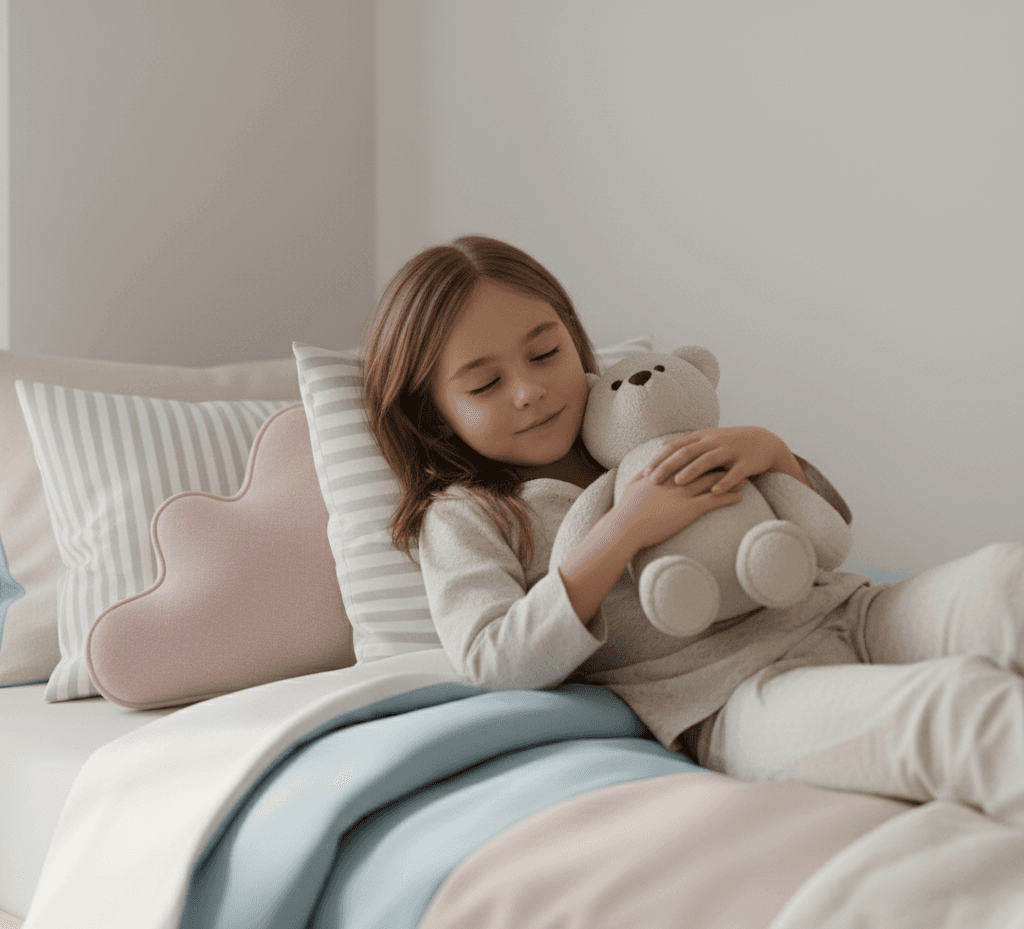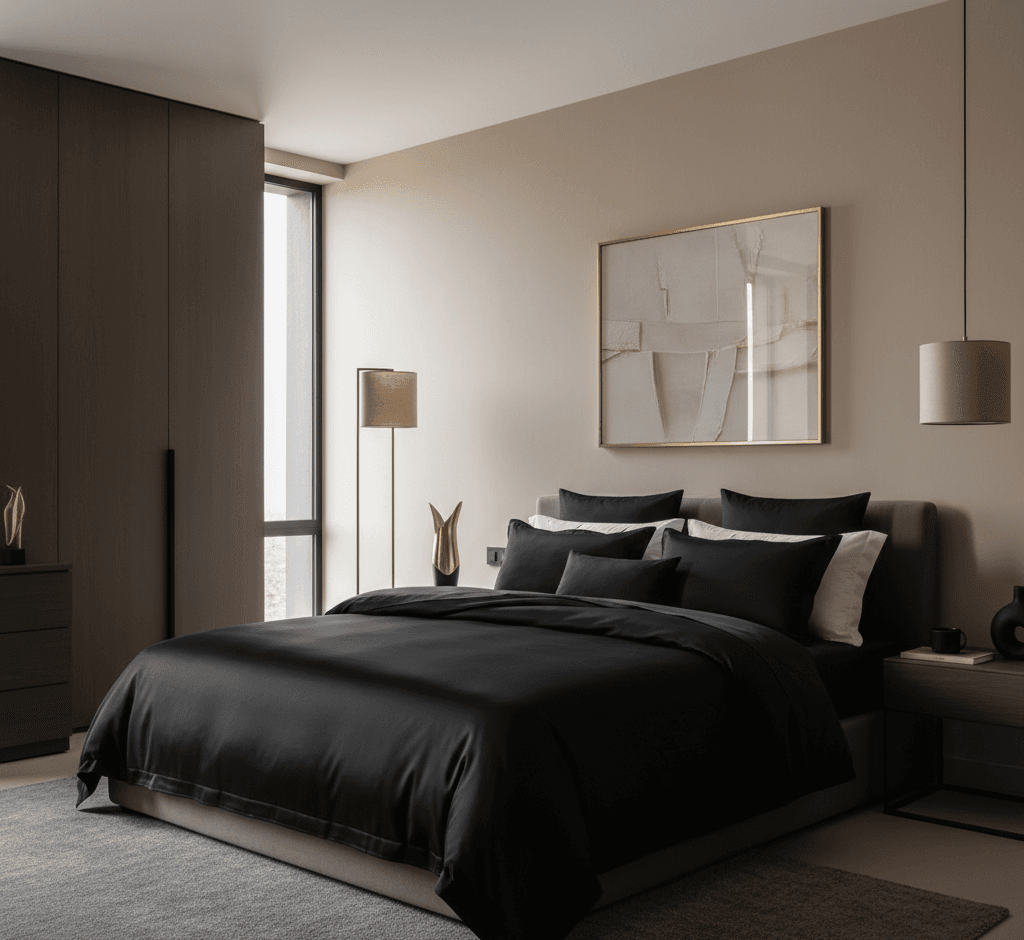

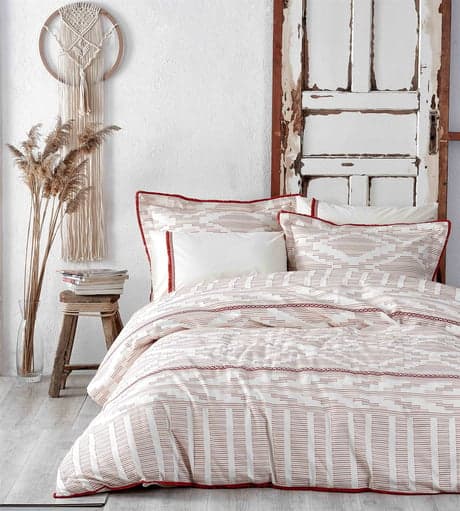
Egyptian cotton is one of the most prized materials in the textile industry, especially when it comes to premium bedding. It comes from Egypt, where it's grown in specific climatic conditions that favor long, fine fibers. Thanks to this, Egyptian cotton is remarkably soft, smooth and durable. Although it's more expensive than other types of cotton, its quality and durability make it an investment that guarantees sleep comfort at the very highest level. Compared to conventional cotton, Egyptian cotton also stands out for its resistance to creasing and how easy it is to keep clean.
Guide:
What is Egyptian cotton?
Egyptian cotton compared to other types of cotton
Advantages of Egyptian cotton
Disadvantages of Egyptian cotton
Sateen-weave Egyptian cotton
FAQ – Frequently asked questions
What is Egyptian cotton?
Egyptian cotton is a remarkable material that has earned recognition around the world, yet it also has a few secrets that aren't always widely known. Unlike other types of cotton, Egyptian cotton is grown in very specific climatic conditions – along the Nile, where the soil is rich in minerals and the climate provides long, warm days. It's precisely these conditions that produce the long fibers behind its exceptional quality.
Interestingly, Egyptian cotton is often called the "queen of cottons," and its fibers can reach lengths of up to 5 cm, making them far longer and stronger than fibers of cotton grown elsewhere in the world. As a result, bedding made from Egyptian cotton is not only softer but also more durable.
However, not everything labeled "Egyptian cotton" actually comes from Egypt. Unfortunately, materials sold under this name sometimes come from other countries, which doesn't always guarantee the same quality. Genuine Egyptian cotton is a luxury that truly makes a difference to sleep comfort.
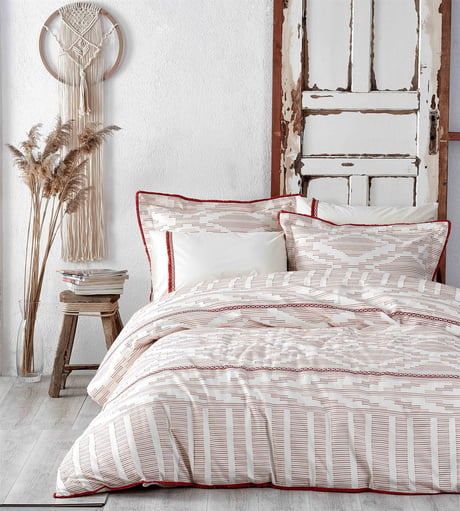
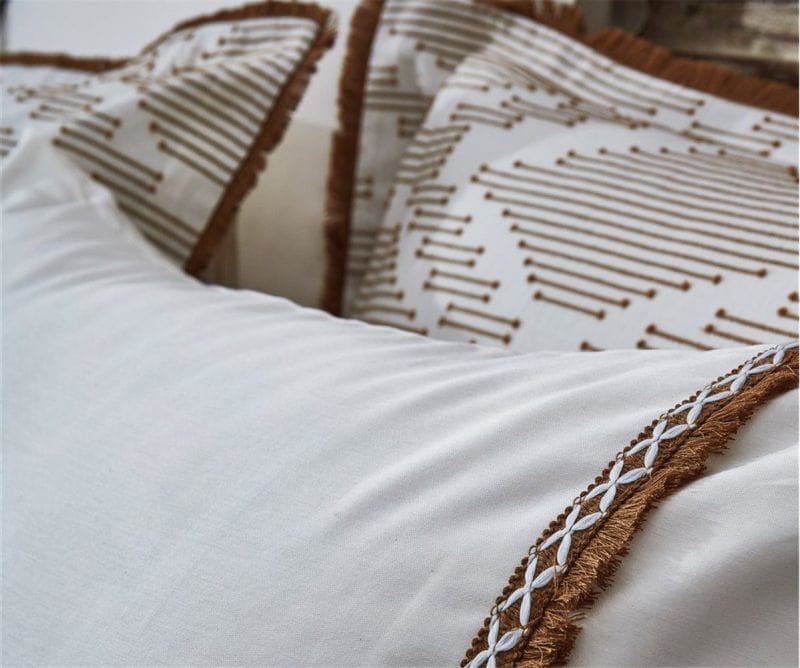
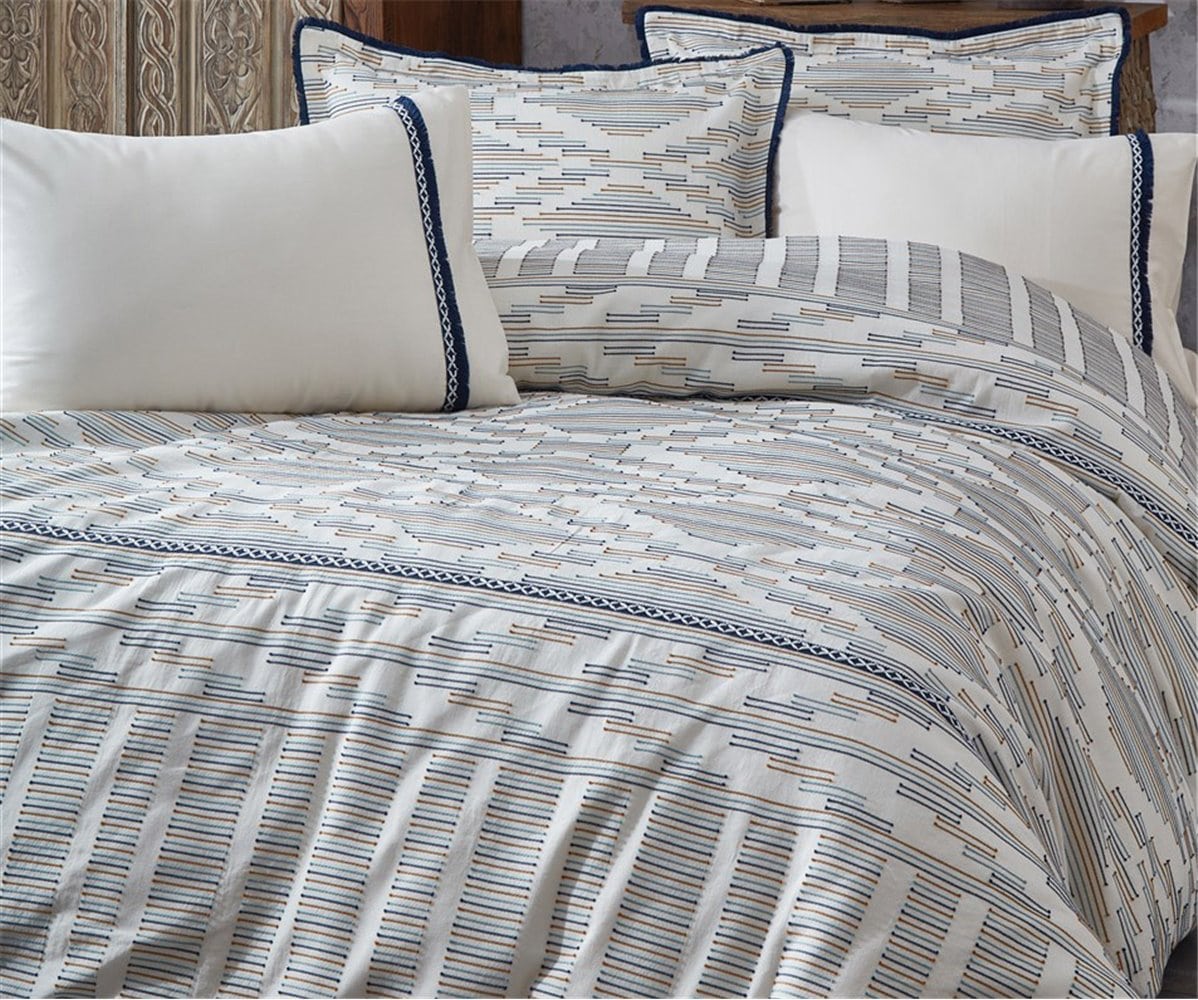
Egyptian Cotton Compared to Other Types of Cotton: Turkish, American and Conventional
1. Egyptian cotton – the most luxurious
Egyptian cotton is synonymous with luxury in the textile industry. Its characteristics make it a truly exceptional material, especially prized in the production of premium bedding. What sets Egyptian cotton apart is its long fiber – reaching lengths of up to 5 cm. This allows for an exceptionally smooth, soft and remarkably durable fabric. The fibers of Egyptian cotton are exceptionally fine, which makes the material more breathable while still retaining its strength.
Egyptian cotton is grown under special climatic conditions along the Nile. The local soil, rich in minerals, favors the growth of long, strong fibers. In addition, the unique method of harvesting the cotton by hand, without machines, helps preserve the quality of the raw fiber. This care in production is what makes Egyptian cotton one of the more expensive materials on the market.
2. Turkish cotton – a high-quality alternative
Turkish cotton is a material with an outstanding reputation, especially in the production of towels and bedding. While Egyptian cotton is considered the more luxurious of the two, Turkish cotton also deserves attention, particularly for its properties and production techniques. Turkey grows top-quality cotton of its own and is one of the world's largest cotton producers.
Interestingly, genuine Egyptian cotton can indeed be found in Turkey. It's often used in fabric production, particularly in regions with suitable climatic conditions. Turkish cotton fibers can be just as long and strong as Egyptian ones, and fabrics made from Turkish cotton are known for their remarkable absorbency, making them ideal for towels and clothing.
Turkish cotton also has one notable trait that sets it apart – it's more affordable than Egyptian cotton. Turkey is also famous for its traditional weaving techniques, which make Turkish cotton products not only durable but also visually appealing. Turkish fabrics are often finished to an excellent standard as well, giving the products a soft, pleasant feel.
3. American cotton – mass production, wide availability
American cotton is one of the most common types of cotton on the market. The United States is one of the world's largest cotton producers, and its crops dominate global output. American cotton is known for being widely available and used across clothing and home textiles alike.
While American cotton doesn't quite match the properties of Egyptian or Turkish cotton, it has its own unique strengths. Its fibers are shorter than Egyptian ones, which means the resulting fabrics can be somewhat less smooth and durable. Even so, American cotton is highly valued for its versatility and relatively low price. It's a material found in everyday use – from clothing to bedding.
4. Conventional cotton – common, but lower quality
Conventional cotton is grown on a mass scale around the world and is widely used in textile production. Compared to Egyptian and Turkish cotton, conventional cotton has significantly shorter fibers, which affects both the durability and quality of the fabric. These fibers are neither as strong nor as smooth, resulting in less comfortable fabrics with a shorter lifespan.
Conventional cotton is also often subjected to intensive chemical treatment and fertilization, which can affect both its properties and its environmental impact. While it's the cheapest option, conventional cotton doesn't offer the same qualities as Egyptian or Turkish cotton and isn't the preferred choice for premium bedding or luxury towels.
5. Which cotton should you choose?
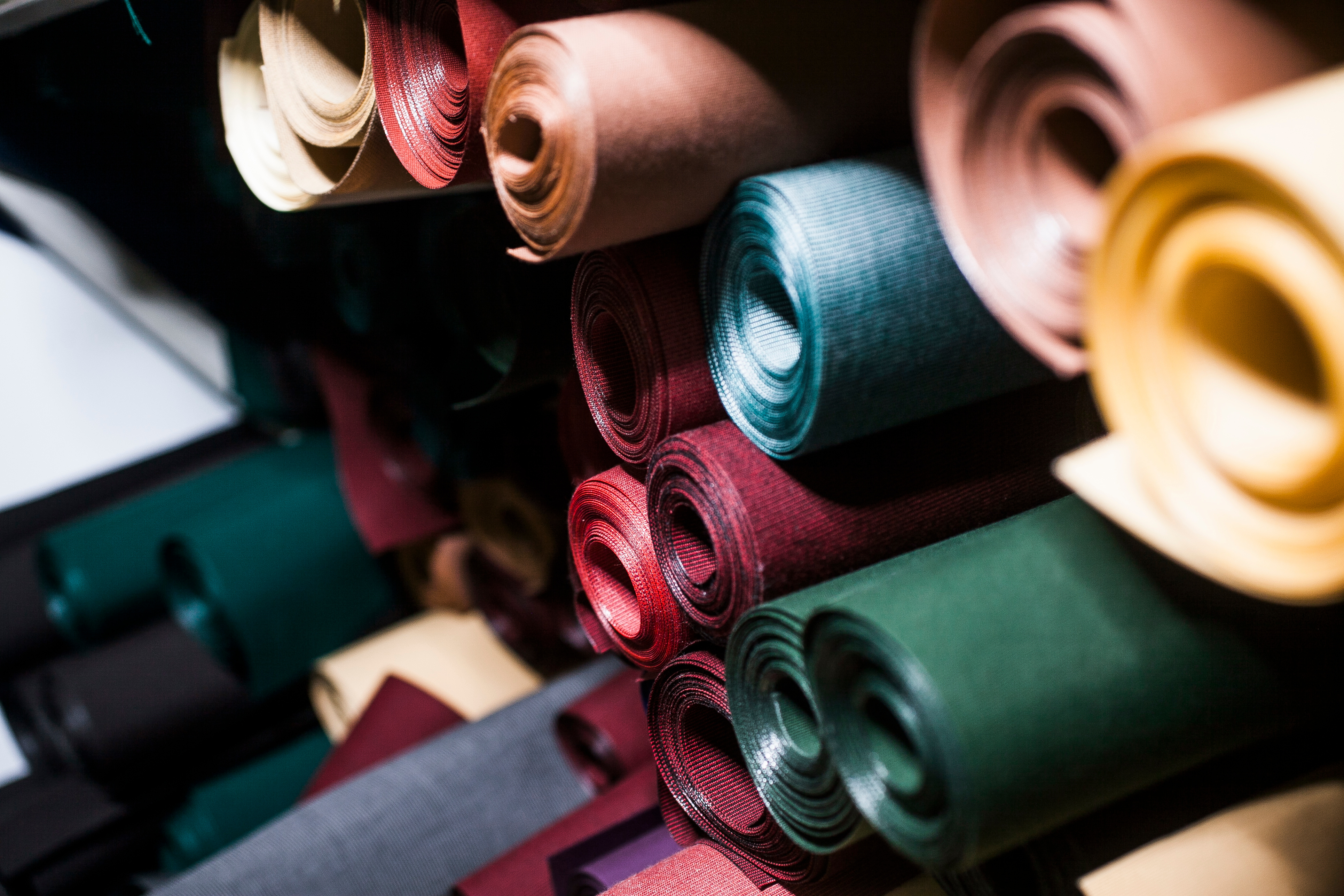
Egyptian, Turkish, American and conventional cotton differ in quality, properties and price. Egyptian cotton remains the premium choice, offering exceptional softness, durability and comfort, ideal for luxury bedding. Turkish cotton, meanwhile, is an excellent alternative, especially if you're looking for a high-quality material at a more accessible price. American cotton is popular, but it doesn't match Egyptian cotton for durability and comfort. Conventional cotton, though widely available, is a basic material that doesn't offer the same luxury as Egyptian or Turkish cotton.
The right choice of cotton depends on your needs. If luxury and comfort matter most to you, Egyptian or Turkish cotton will be your best bet. If instead you're after a good-quality material at a more affordable price, American or conventional cotton may well be enough.
Advantages of Egyptian cotton
Egyptian cotton offers a whole range of benefits, especially when it comes to premium bedding. Its defining trait is exceptional softness and smoothness, delivering comfortable sleep and a wonderful feel against the skin. Thanks to its long fibers, Egyptian cotton isn't just pleasant to the touch – it's also more durable than other types of cotton. That means bedding made from Egyptian cotton keeps its quality and appearance for years, even with frequent use and washing.
Egyptian cotton is also an exceptionally breathable material, providing optimal thermal comfort regardless of the season. This is especially important for bedding, as it helps maintain the right body temperature during sleep.
Egyptian cotton also has a natural resistance to creasing, which keeps bedding looking smooth and elegant for a long time without demanding intensive care. Thanks to these properties, Egyptian cotton is considered a luxury material that guarantees exceptional quality and sleep comfort.
Disadvantages of Egyptian cotton
Despite its many advantages, Egyptian cotton does have a few drawbacks worth considering before you buy. First and foremost, its price is significantly higher than that of other types of cotton. This reflects both the costly production process and the material's exceptional properties. Egyptian cotton is a luxury raw material that may be out of reach for those looking for cheaper options.
Another downside of Egyptian cotton is its sensitivity to improper care. To preserve its softness and durability, it needs to be washed and dried using the right methods. Excessively high temperatures or harsh detergents can weaken its fibers and shorten its lifespan. It also requires more careful storage to avoid mechanical damage.
Despite its breathability, Egyptian cotton can be less resistant to moisture than synthetic materials, which may affect comfort in very humid climates. In addition, its production can raise certain environmental concerns, particularly around intensive cultivation, which requires large amounts of water.
Sateen-weave Egyptian cotton
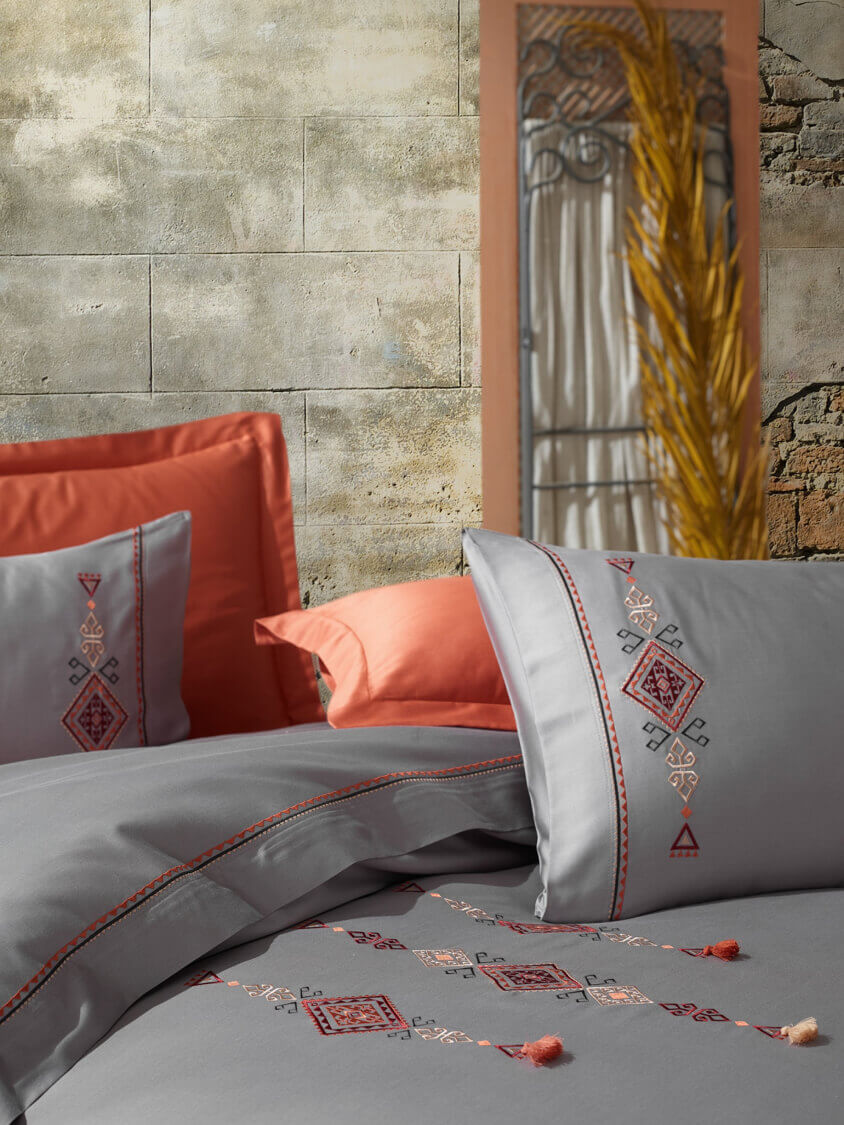
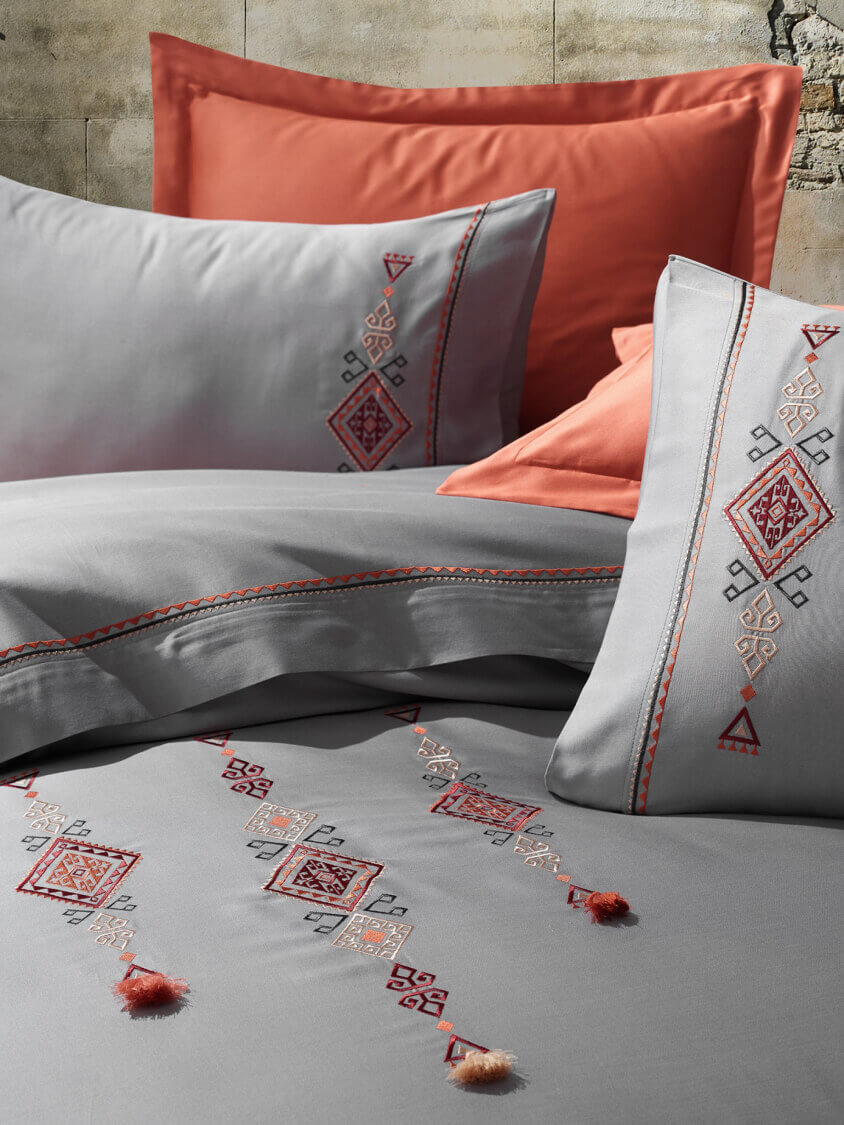
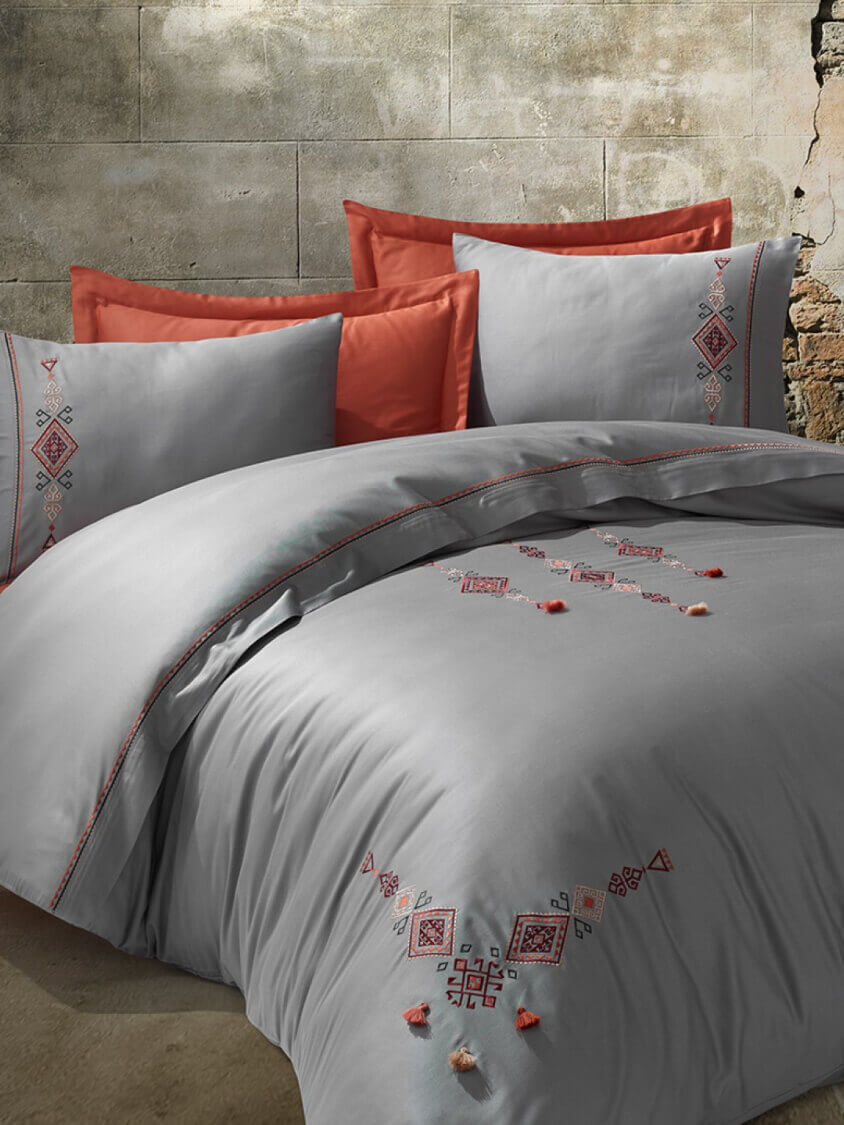
Sateen-weave Egyptian cotton is one of the most sought-after versions of this luxurious material. The sateen weave gives the fabric exceptional smoothness, sheen and elegance, so bedding made from Egyptian cotton looks stunning while also feeling wonderful against the skin. This weave makes the material softer and gentler, while still delivering greater durability. Combined with the long, fine fibers of Egyptian cotton, the sateen weave creates a fabric that is both beautiful and remarkably comfortable, bringing a touch of true luxury to the bedroom.
Sateen-weave Egyptian cotton is also prized for its resistance to creasing, which makes it easy to care for and keeps bedding looking fresh and elegant at all times. It's the ideal choice for anyone looking for premium bedding that combines style with practicality.
We invite you to browse our range of sateen-weave Egyptian cotton bedding, which pairs a luxurious material with outstanding craftsmanship. Check out our collection and choose the perfect bedding for a truly comfortable night's sleep!
FAQ – Frequently asked questions about Egyptian cotton
1. How is Egyptian cotton different from other types of cotton? Egyptian cotton has long, fine fibers that are more durable, softer and smoother than the fibers of other cotton types. As a result, fabrics made from Egyptian cotton stand out for their exceptional quality, longer lifespan and everyday comfort.
2. Why is Egyptian cotton more expensive? Egyptian cotton is grown under specific conditions along the Nile, where the soil is exceptionally fertile. On top of that, the cotton is harvested by hand, which raises production costs. However, the material's high quality and exceptional properties justify the higher price.
3. How should you care for Egyptian cotton bedding? To keep Egyptian cotton soft and durable, wash it at low temperatures, ideally by hand or on a gentle machine cycle. Avoid harsh detergents and drying in direct sunlight. It's also important to avoid ironing at high temperatures so as not to damage the fabric.
4. Is Egyptian cotton suitable for people with allergies? Yes, Egyptian cotton is a natural material that's gentle on the skin and less likely to trigger allergic reactions than synthetic fabrics. Thanks to its breathability, it's an ideal material for people with sensitive skin.
5. What is a sateen weave in Egyptian cotton bedding? A sateen weave is a weaving technique that gives the fabric smoothness and sheen, making it look elegant and luxurious. Sateen-weave Egyptian cotton bedding feels wonderfully soft to the touch and creates a genuine sense of comfort.
6. Does Egyptian cotton crease easily? Egyptian cotton, especially in a sateen weave, is fairly resistant to creasing, so bedding made from this material keeps its neat appearance and needs less ironing.
7. Is Egyptian cotton eco-friendly? Egyptian cotton is a natural material, which makes it more environmentally friendly than synthetic fabrics. However, growing it requires large amounts of water, which can raise environmental concerns in some cases. It's worth choosing certified products that ensure responsible resource management.
8. What are the benefits of Egyptian cotton bedding? Egyptian cotton bedding is exceptionally soft, durable, breathable and resistant to creasing. Its high quality delivers comfortable sleep and long-lasting use, making it a truly luxurious addition to the bedroom.
9. What other products can be made from Egyptian cotton? Egyptian cotton isn't just used for bedding – it also goes into towels, clothing and underwear. Thanks to its softness and durability, it's used in many products that call for the highest-quality material.