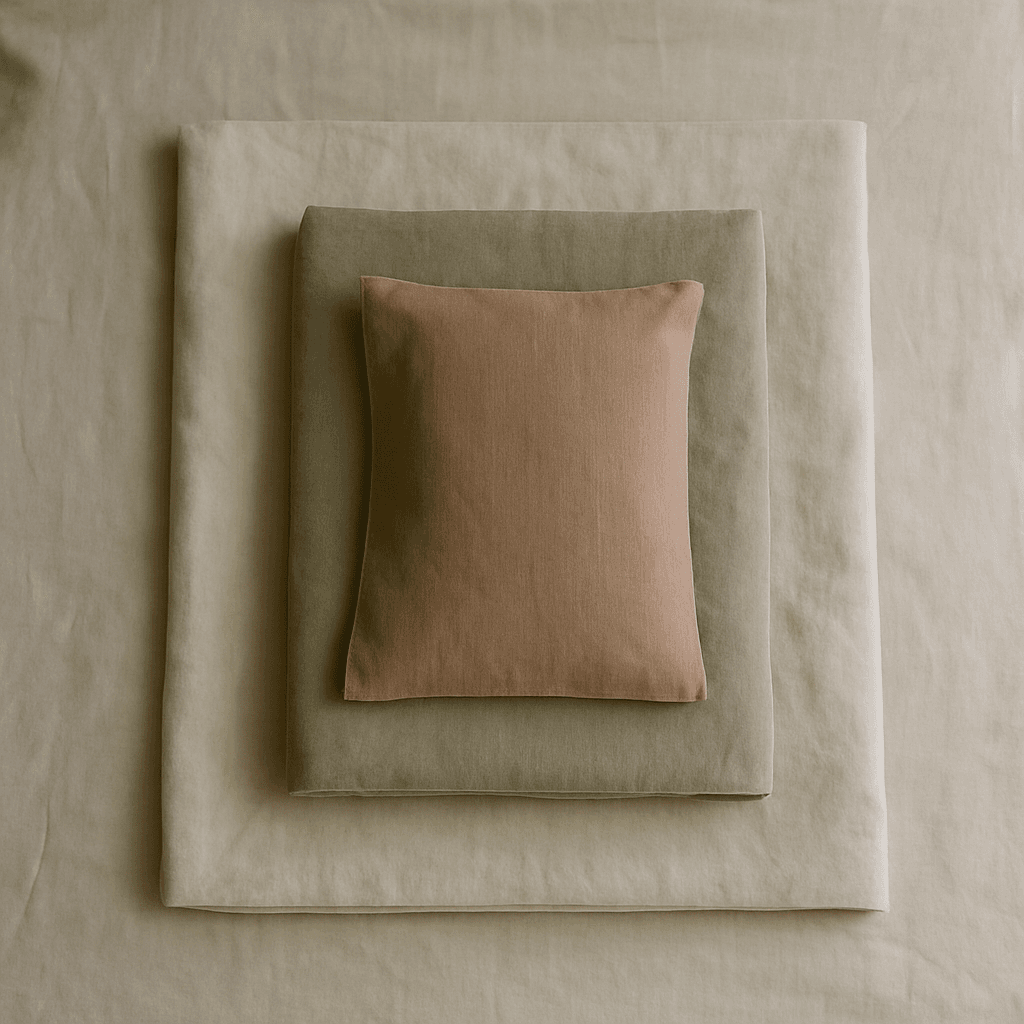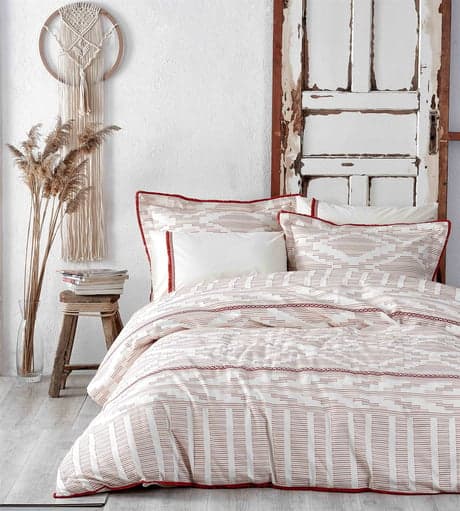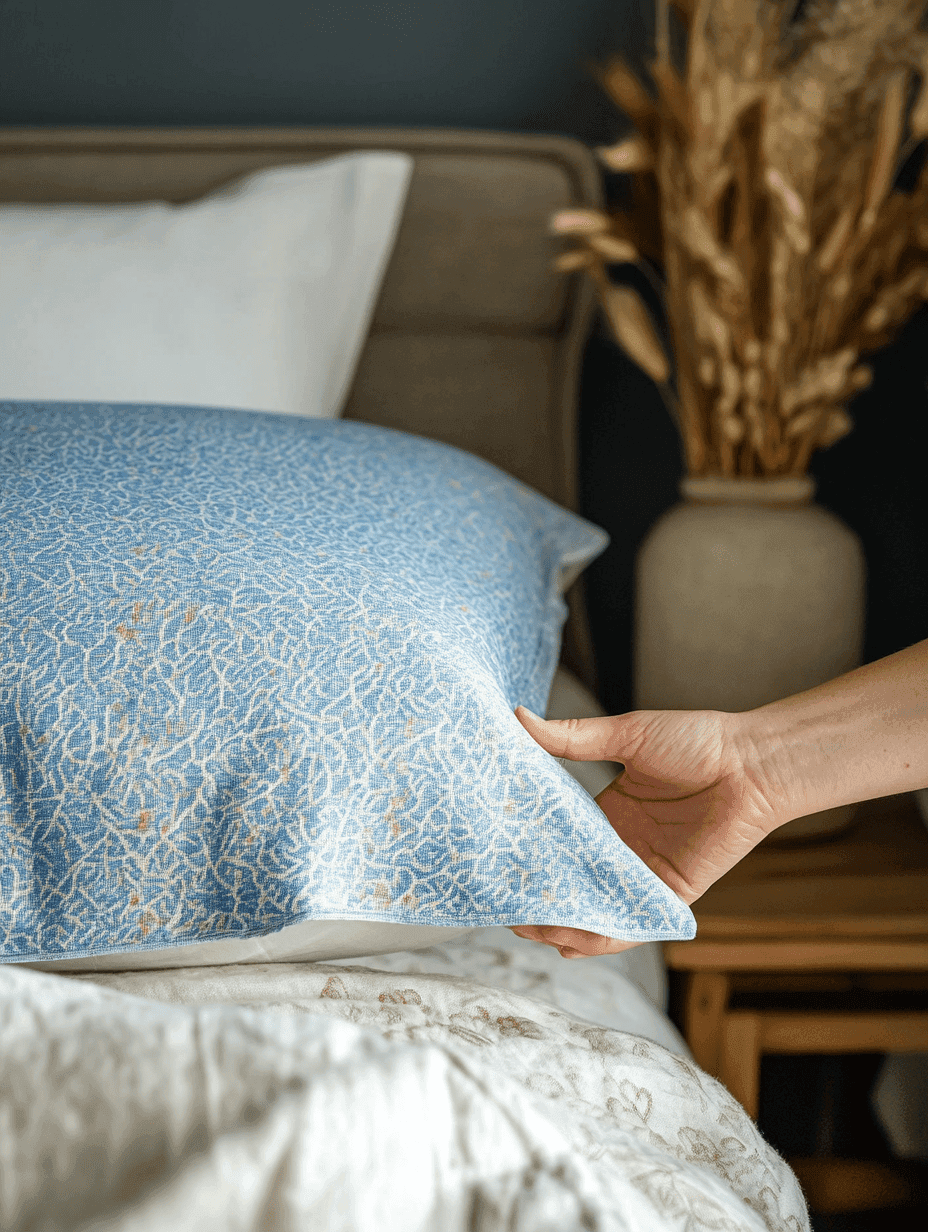


Choosing the right flat sheet without elastic is key to comfortable sleep and to how the bed looks. Unlike fitted models, a classic sheet has to be matched precisely to the mattress so it does not slide during the night.
Why does that matter so much? A badly chosen size can make the material bunch up or slip off, which affects sleeping comfort. A traditional sheet works on a single bed (90x200) as well as on larger models: 160x200, 180x200, 200x220, and even 220x240.
The difference between a fitted sheet and one without elastic lies in how it is secured – the version without elastic needs careful arranging, but gives more freedom in use and is easier to iron. In the sections that follow you will learn how to pick the ideal size.
The advantages of a sheet without elastic
How to measure a mattress correctly
How to pick the size of a sheet without elastic
Sheet 240x260 – the most universal size
Material and how well the sheet fits
Ways to keep a sheet without elastic in place
Summary
💡FAQ – Frequently asked questions

The advantages of a sheet without elastic
Versatility – it fits different mattresses
One of the main advantages of a sheet without elastic is its versatility. It can easily be matched to a single 90x200 bed as well as to larger models such as 160x200, 180x200, 200x220 or even 220x240. That is a great solution if your mattress has an unusual thickness or if you often move bedding between different beds.
Easy to iron and fold
Unlike fitted models, a classic sheet is far simpler to care for. It has no elastic edges, which makes ironing easier – you can lay it out freely on the board and smooth it quickly. Folding such a sheet also takes up less space in the wardrobe, because there are no sewn-in elastics to get in the way of storage.
An attractive look on the bed
A traditional sheet is an excellent choice for anyone who values an elegant bedroom. With an even surface free of creases and tension, the bed looks neat and stylish. It can be arranged carefully to match the interior, which matters a great deal in hotels and guesthouses, where perfect presentation counts.
How to measure a mattress correctly
To match a sheet without elastic perfectly, measuring the mattress correctly is key. That way you avoid a sheet that is too small or too large, either of which would affect sleep comfort and the look of the bed.
Mattress width and length – how to measure them
The basic dimensions to pay attention to are the width and length of the mattress. The most popular sizes are:
single bed 90x200, bed 160x200 – the standard choice for couples, bed 180x200 – more comfort in the bedroom, beds 200x220 and 220x240 – ideal for anyone looking for maximum space.
Measure by running a tape from edge to edge of the mattress.
Mattress height – why it matters
The height of the mattress matters too. Some classic sheets only reach the edge of the mattress, while others should hang over the sides. If you have a thick mattress (for example over 25 cm), choose a traditional sheet in a larger size.
Standard versus non-standard dimensions
If your mattress is an unusual size, it is worth choosing a larger sheet and adapting it by arranging it carefully. Stores also carry made-to-measure models that fit a particular bed exactly.
How to pick the size of a sheet without elastic
Choosing the right sheet without elastic depends on the size of the mattress, its height and your own preferences about how bedding is arranged. A classic sheet should be matched so that it lies flat against the mattress and does not move during the night.
A table of the most common mattress dimensions and the sheets that match them
To make the choice easier, below you will find the most popular mattress sizes together with the recommended dimensions for traditional sheets.
Mattress size
Recommended size of sheet without elastic
Bed 90x200 | 140x240, 150x240 |
Bed 120x200 | 160x240, 180x240 |
Bed 140x200 | 180x240, 200x240 |
Bed 160x200 | 200x240, 220x240, 240x260 |
Bed 160x220 | 220x240, 240x260 |
Bed 180x200 | 220x240, 240x260 |
Bed 200x220 | 240x260, 260x280 |
Bed 220x240 | 260x280, 280x300 |
It is worth choosing a sheet wider than the mattress, to leave enough material to tuck under.
Which sheet for a high mattress?
Standard mattresses are around 20 cm high, but many modern models, including those with a memory foam layer or an extra topper, can reach 30 cm or more.
If your mattress is high, consider buying a classic sheet larger than the standard recommendation. A longer and wider sheet covers the sides of the mattress better and stops it slipping off.
You can also use special sheet clips or fastening straps, which hold the material in place even during restless sleep.
What if the mattress is an unusual size?
For mattresses with non-standard dimensions, for example a 110x210 or 140x190 bed, it is worth choosing a sheet without elastic and adapting it by arranging it carefully. Unlike a fitted sheet, a classic sheet adapts to any mattress.
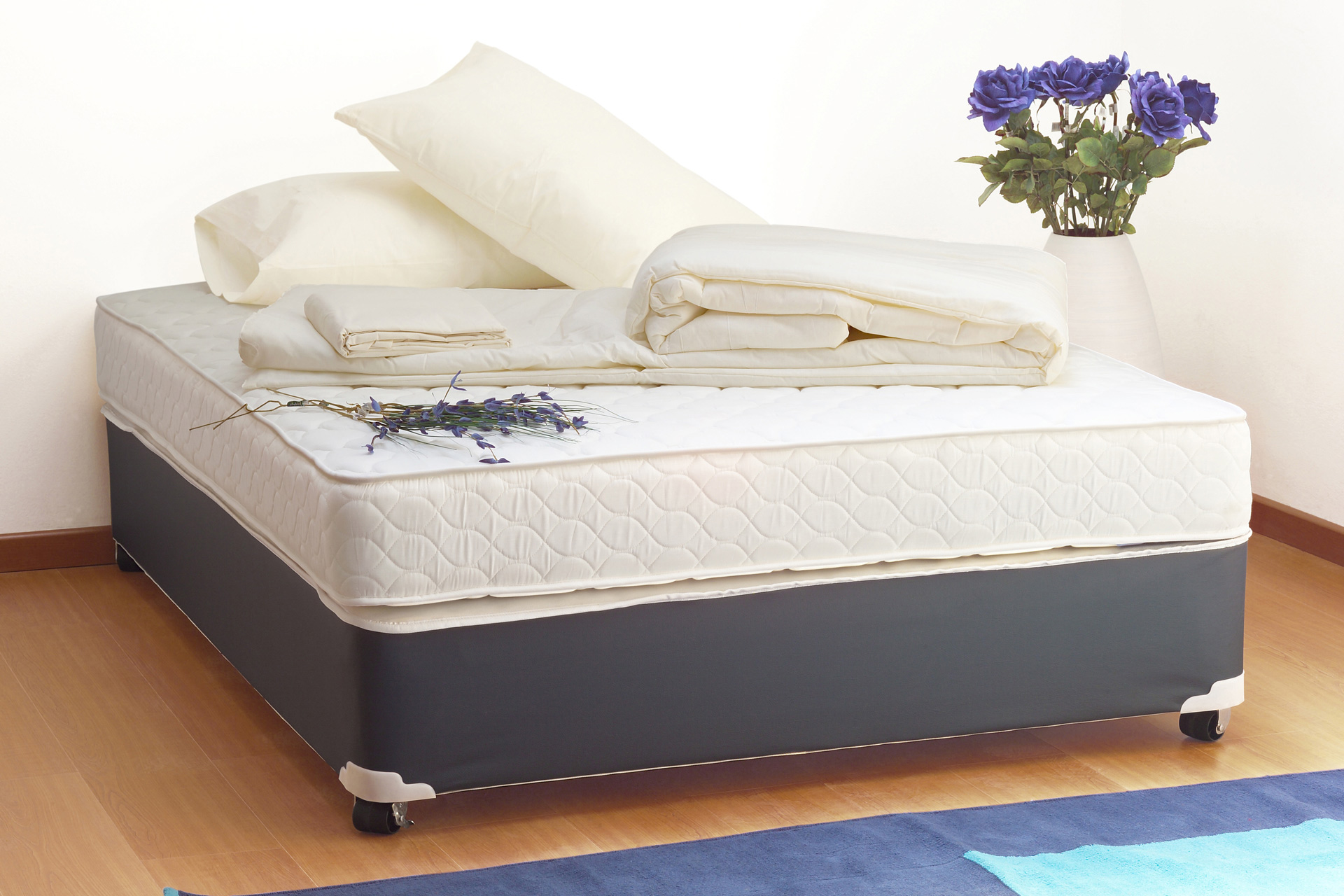
Sheet without elastic 240x260 – the most universal size
If you are wondering which size of sheet without elastic to choose so that it fits different mattresses, the best solution is a 240x260 sheet. It is one of the most universal dimensions and works on large and smaller beds alike.
Why choose a 240x260 sheet?
Thanks to the larger dimensions, the sheet can be matched to the mattress perfectly with no risk of it sliding off. Even with a 160x200 bed or a single 90x200 bed, tucking the material under the mattress properly keeps the sheet in place all night.
Another advantage is the elegant, neat look it gives the bed. Hotels and stylish bedrooms often use this technique to achieve perfectly taut bedding, as in luxury apartments.
How to arrange a sheet so it does not slip
For a classic sheet to hold on to the mattress well, a few simple steps are enough:
Spread the sheet over the mattress, leaving an equal amount of material on each side.
Tuck the edges under the mattress, starting from the sides.
Use the "hospital corner" method – fold the material underneath at the corners of the mattress, creating neat pleats.
Smooth the surface to avoid creases and folds.
Made this way, the sheet stays perfectly taut and does not move during the night, even on a smaller 160x200 or 180x200 bed. The larger size also allows freedom of movement at night without uncovering the mattress.
Choosing a traditional 240x260 sheet is an investment in comfort and convenience. It is a solution that works in any bedroom, whatever the size of the bed.
Material and how well a sheet without elastic fits
When choosing a sheet without elastic, pay attention not only to its size but to the material it is made from. The fabric affects sleep comfort, breathability, durability and the way the sheet sits on the mattress. Some materials cling to the surface better, others need careful arranging so they do not crease during the night.
Cotton, satin cotton, terry, jersey – what are the differences?
Many kinds of material are available for classic sheets. Each has its own properties:
✅ Cotton – the most versatile fabric. It is breathable, durable and easy to care for. A traditional cotton sheet works on a 160x200 or 180x200 bed as well as on a single 90x200.
✅ Satin cotton – elegant and delicate to the touch, with a slightly lustrous structure. A satin sheet without elastic looks superb in modern and luxurious bedrooms. It is soft, but can be more slippery, so it needs careful arranging.
✅ Terry – a thicker, slightly elastic material with good moisture absorption. A classic terry sheet is ideal for colder seasons, because it insulates well.
✅ Jersey – a soft, slightly stretchy fabric that adapts well to the mattress. A traditional jersey sheet is practical and easy to use, though because of its stretch it comes more often in a fitted version.
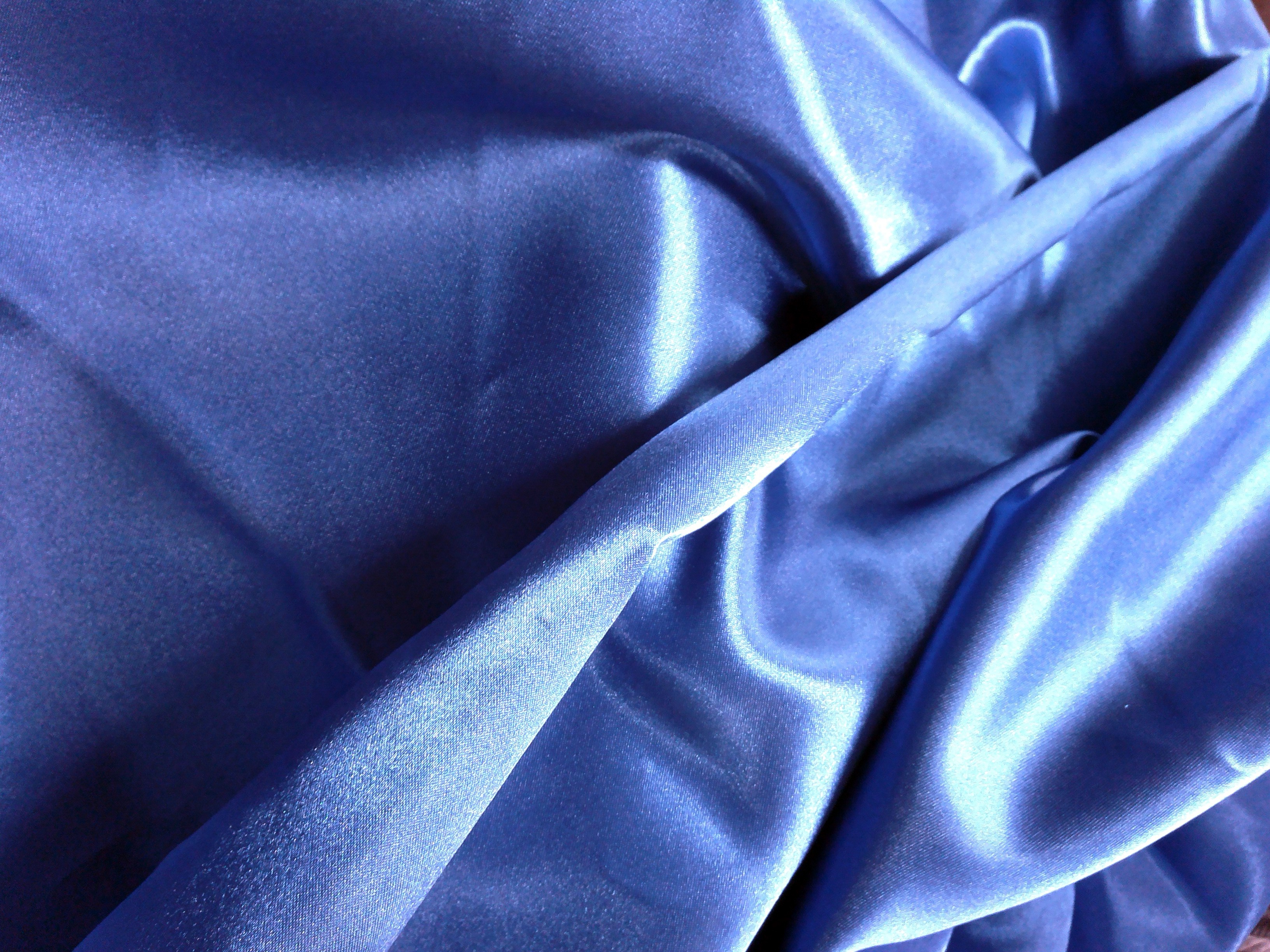
Which materials cling to the mattress better?
If you want a sheet without elastic to lie well against the mattress and not slide during the night, look for fabrics with more grip.
🔹 Best grip on the mattress:
Densely woven cotton
Terry
Jersey
🔹 Less stable but very elegant:
Satin cotton
Microfibre
If you choose a more slippery fabric such as satin, tuck the sheet under the mattress or pick a larger size, for example a 240x260 sheet, so there is extra material to fold under.
How fabric shrinkage affects the size you choose
Not all materials keep their original dimensions after washing. Traditional sheets made from natural fabrics such as cotton can shrink by 3–5% after the first wash.
👉 How to prevent that?
Choose sheets a few centimetres larger than the mattress.
Before first use, check the manufacturer's washing guidance – some fabrics need a low temperature to avoid shrinking.
If you have a 180x200 bed, consider a 240x260 sheet so it still fits perfectly after several washes.
Ways to keep a sheet without elastic in place
A sheet without elastic needs careful arranging so it does not move during the night. Unlike fitted versions, which adapt to the mattress by themselves, a classic sheet calls for the right making-up technique. Several proven methods will help keep it in perfect condition all night.
How to lay a sheet on the mattress correctly
For a traditional sheet to lie well against the surface, follow the steps below:
👉Spread the sheet over the mattress, leaving spare material at the sides.
👉Smooth the surface to avoid creases and folds, which can make the material shift.
👉Tuck the surplus material under the mattress, starting from the sides, then deal with the corners.
👉Use the "hospital corner" method, folding the corners of the sheet under the mattress the way you would wrap a present. The material then holds better.
A well-laid sheet makes a 160x200 bed or a single 90x200 look attractive, and the material stays in place all night.
Tricks to stop a sheet slipping
If a sheet without elastic often slides off, a few proven tricks are worth applying:
🔹Choose a larger size, for example a 240x260 sheet, which can be tucked deeper under the mattress.
🔹Use a non-slip underlay – a thin mat placed between the mattress and the sheet increases grip.
🔹Hold the sheet down with a heavier bedspread – an extra layer on the bed can prevent the material shifting during the night.
Are sheet clips or fastening straps worth using?
Yes – if the sheet slipping is a particular nuisance, special sheet clips or fastening straps can be used. They are elastic and fit on the corners of the mattress, holding the material in place effectively. That is an excellent solution especially for large mattresses such as 200x220 or 220x240 beds, where a bigger surface can mean more fabric movement.
With these methods a traditional sheet stays well stretched, giving comfortable sleep and a neat-looking bed.
Summary
Picking the right sheet without elastic is key to comfortable sleep and an attractive bedroom. For comfort, a few important aspects deserve attention:
Key pointers on choosing the right size:
✔ Match the sheet to the size of the mattress – for example a 160x200, 180x200 or 200x220 bed, or a single 90x200.
✔ If you have a high mattress, choose a larger size to avoid problems with the fabric slipping.
✔ Consider a 240x260 sheet – it is the most universal and allows a stable tuck under the mattress.
✔ Pay attention to the material – cotton and terry cling to the mattress better, while satin may need extra securing.
✔ Use stabilising tricks such as the "hospital corner" technique, non-slip underlays or sheet clips.
Why is choosing a sheet without elastic well worth the effort?
A correctly chosen classic sheet provides:
✅ Comfortable sleep – no creases and no slipping material.
✅ An elegant-looking bed – the sheet lies smoothly and neatly.
✅ Longer-lasting bedding – the right material and size prevent excessive wear of the fabric.
✅ Versatility – one sheet can fit several different mattresses if it is tucked properly.

💡FAQ – Frequently asked questions
Will a sheet without elastic work on any mattress?
Yes, but it needs proper arranging. If the mattress is very high or slippery, choose a larger size and tuck the sheet under the mattress to avoid slipping.
Which sheet size for a single bed?
For a 90x200 bed, sheets measuring 140x240 or 150x240 are recommended, which allows a better fit and more stability.
How do you stop a sheet without elastic from slipping?
Several proven methods are worth applying, such as folding the corners under the mattress, using a non-slip underlay or special fastening clips.