
Tencel (Lyocell) fibres are one of the most innovative materials, growing ever more popular in the textile industry, particularly in fashion and ecological design. Produced from cellulose, a natural plant component, Tencel is an alternative to traditional fibres such as cotton or polyester. In recent years the material has gained significance, mainly thanks to its ecological credentials and its high practical qualities. Its exceptional properties – softness, breathability and hypoallergenic character – make it an ideal choice for producing clothing, bedding and other everyday textiles.
Tencel is also recognised as an environmentally friendly material, which is winning it more and more followers among conscious consumers. Despite its natural origin, though, the question arises whether it can be considered a fully natural material. In the rest of this article we look at the production process of Tencel and at its properties, in order to answer that question.
Guide:
What are Tencel (Lyocell) fibres?
Is Tencel (Lyocell) a natural material?
The benefits of using Tencel (Lyocell) fibres
Tencel (Lyocell) in the textile industry
Does Tencel (Lyocell) have drawbacks?
Summary: Tencel (Lyocell) – the material of the future
FAQs – frequently asked questions about Tencel (Lyocell)
What are Tencel (Lyocell) fibres?
Tencel (Lyocell) fibres are a modern textile material that has won enormous popularity in recent years thanks to its ecological production and exceptional properties. Tencel is the trade name of lyocell fibres, which are produced from cellulose, mainly from eucalyptus, beech or pine trees. It belongs to the group of semi-synthetic fibres, because its production uses natural cellulose but requires chemical processes that allow it to be turned into a finished material.
The history of Tencel reaches back to the 1960s, when the Austrian company Lenzing began work in its laboratories on a new kind of fibre that would combine the advantages of natural and synthetic materials. The first attempts to produce Tencel were made in the 1970s, and commercial production began in the early 1990s. Unlike other synthetic fibres such as polyester, Tencel stands out for being produced with a considerably more sustainable process. Thanks to a closed loop in production, almost all the chemicals used are recovered and reused, which significantly limits their impact on the environment.
Producing Tencel begins with sourcing wood, which is then dissolved in a special solvent. This substance allows cellulose to be transformed into a mass, which is later processed into fine fibres. The cellulose fibres are then spun and turned into a finished material that can be used to make clothing, bedding, towels or upholstery. An important element of Tencel production is the use of "open loop" technology, in which the chemicals used in the process are largely recovered and neutralised, which makes producing this material more environmentally friendly.
Tencel lyocell fibres have a range of exceptional properties. First, they are characterised by remarkable softness, which makes fabrics made from Tencel pleasant to the touch and superbly suited to clothing worn directly against the skin, such as underwear or sportswear. Tencel fibres are also very hard-wearing, which gives the products they are used in a long life. In addition, the material is breathable and absorbs moisture superbly, which makes it an ideal choice for warm days, providing comfort in wear. Tencel is also hypoallergenic, which makes it safe for people with sensitive skin.
Is Tencel (Lyocell) a natural material?
Tencel (Lyocell) is a material that raises many questions about how natural it is. To answer that question, it helps to understand the differences between natural, synthetic and semi-synthetic materials.
Natural materials come directly from nature and do not require intensive chemical processing. Examples are cotton, linen, wool and artificial silk. Synthetic materials such as polyester, by contrast, are made entirely from chemical raw materials, often derived from crude oil. Semi-synthetic fibres such as Tencel begin as natural raw materials, for example wood, but the production process uses chemicals that allow them to be transformed into a finished material.
Tencel (Lyocell) is produced from cellulose, which comes mainly from the wood of broadleaf trees such as eucalyptus, beech or pine. Producing Tencel fibres involves dissolving cellulose in a special solvent that turns it into a mass, which is then processed into fine fibres. Although cellulose is a natural raw material, using chemicals in this process means Tencel is a semi-synthetic material.
Producing Tencel differs from other semi-synthetic materials such as viscose, however, because it uses a closed-loop method in which chemicals are repeatedly recovered and reused, which minimises their impact on the environment. In addition, the solvent used to produce Tencel is relatively safe and easy to recover, which makes the whole process more sustainable than for many other fibres.
Compared with traditional natural fibres such as cotton or linen, Tencel is more efficient in its use of water resources and chemicals. Cotton producers are often criticised for intensive use of pesticides and heavy water consumption in cultivation, whereas Tencel comes from renewable forest resources and its production uses less water and energy. In addition, many of the trees used to produce Tencel come from responsibly managed forests, which raises its ecological value.
The sustainable character of Tencel also shows in its biodegradability, which means that at the end of their life cycle, products made from this material can be safely broken down by nature. Unlike plastics, Tencel leaves no long-lasting traces in the environment. The material is also more durable than cotton, which means products made from Tencel have a longer life and generate less waste.
To sum up, although Tencel is not a fully natural material, its production is decidedly more sustainable and environmentally friendly than that of many other textile fibres, and its qualities are making it a popular choice in the clothing and ecological industries.
The benefits of using Tencel (Lyocell) fibres
Tencel (Lyocell) fibres are growing ever more popular thanks to their many benefits, which combine comfort, durability and ecological advantages. Its exceptional properties have made Tencel one of the most sought-after materials in the clothing and textile industries.
One of the main advantages of Tencel is its comfort. The material is characterised by excellent breathability and moisture absorption, meaning it takes up and wicks away moisture, keeping the skin dry and fresh for longer. That matters particularly for sportswear, underwear and bedding, where hygiene and comfort in use are key. Thanks to these properties, Tencel is an ideal material for hot days, when natural ventilation is essential to keep a feeling of coolness.
Another strength is its gentleness on the skin. Tencel fibres are smooth, soft and silkily pleasant to the touch, which means they cause no irritation or chafing, even for people with sensitive skin. In addition, Tencel is hypoallergenic, which makes it safe for people prone to allergies. That matters particularly for children's clothing and underwear, where contact with delicate skin is an everyday matter. Tencel lets you avoid the allergic reactions that can occur with other materials.
The durability of Tencel fibres is another argument in favour of this material. It is very hard-wearing and resistant to stretching and damage, which means clothing and textiles made from Tencel keep their form for longer. Thanks to that resilience, Tencel is an excellent choice for everyday clothing, underwear and products exposed to frequent washing, such as bedding and towels.
Tencel is also a material with many ecological advantages. It is biodegradable, meaning that at the end of their life cycle products made from it break down in nature without leaving harmful waste. In addition, producing Tencel is environmentally friendly: the chemicals used are largely recovered and reused, and the raw materials come from renewable sources. Producing Tencel involves less use of water and energy than many other materials, which makes it a more sustainable alternative.
To sum up, Tencel is a material that combines comfort, durability and ecological benefits, which is making it an ever more frequent choice for consumers and for producers seeking sustainable solutions.
Tencel (Lyocell) in the textile industry
In recent years Tencel (Lyocell) has become a favourite of designers and clothing manufacturers, thanks to its exceptional properties and ecological character. It is used across a wide range – from everyday clothing through underwear to sportswear. Thanks to its softness and breathability, Tencel provides comfort throughout the day, absorbing moisture and keeping the skin dry. That makes clothing in this material particularly prized on warm days and by people leading an active life.
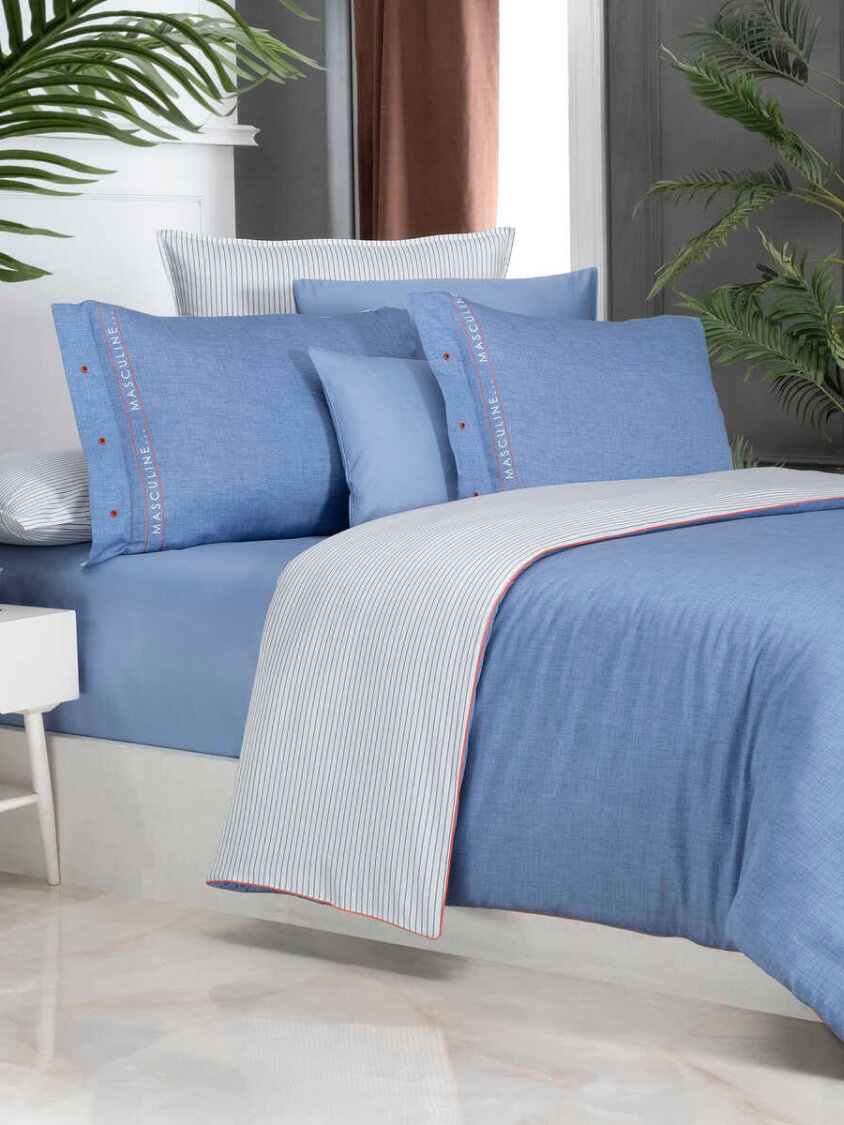
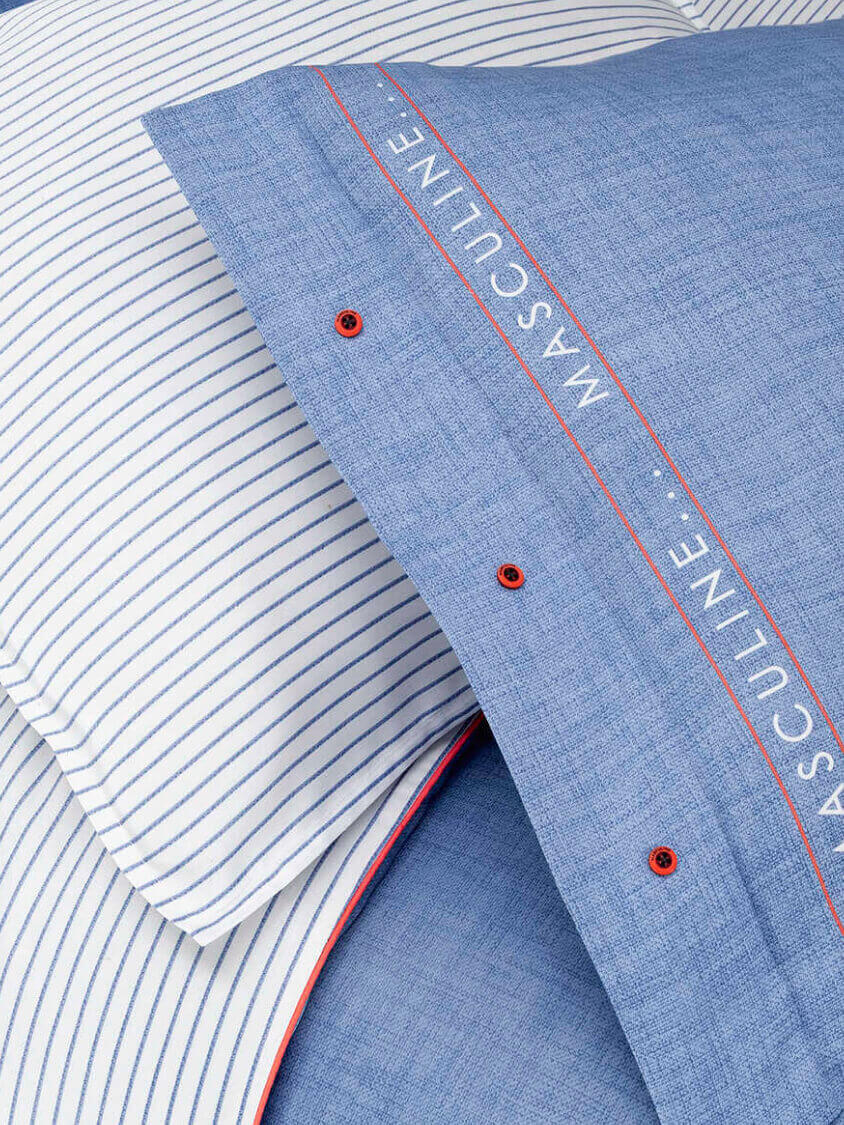
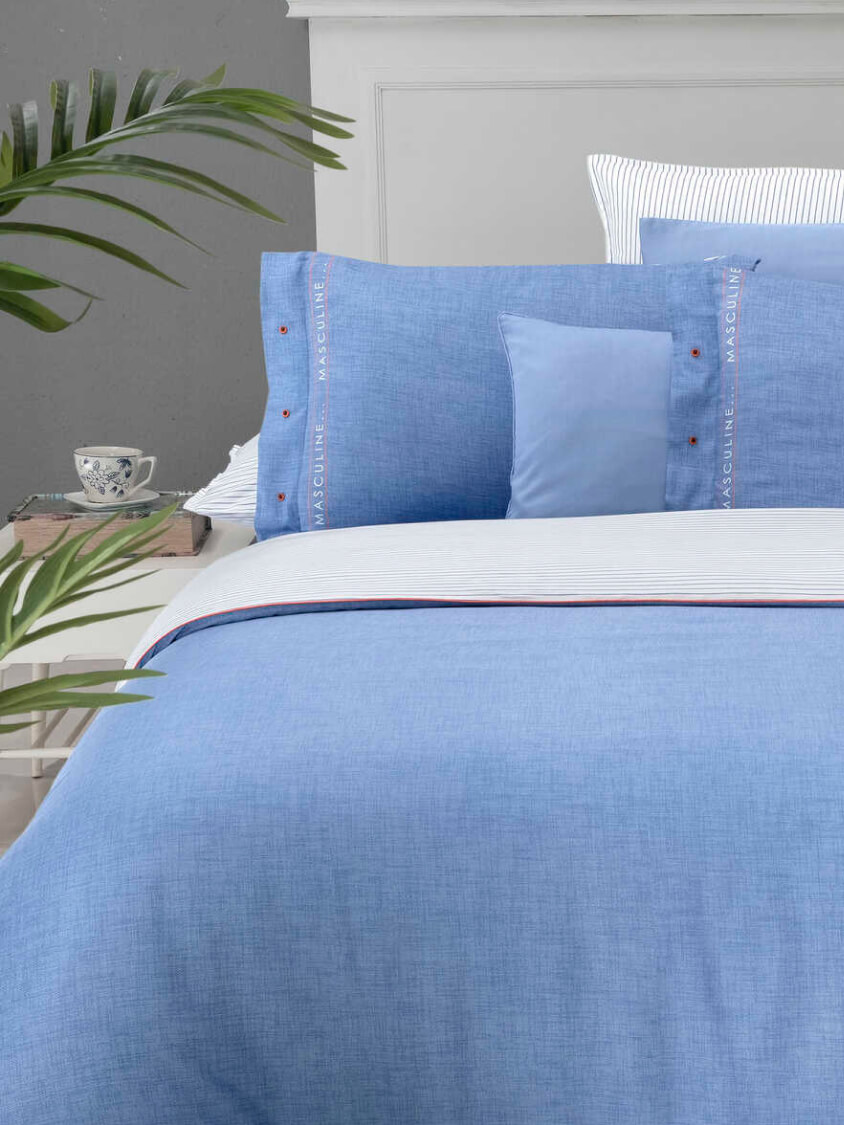
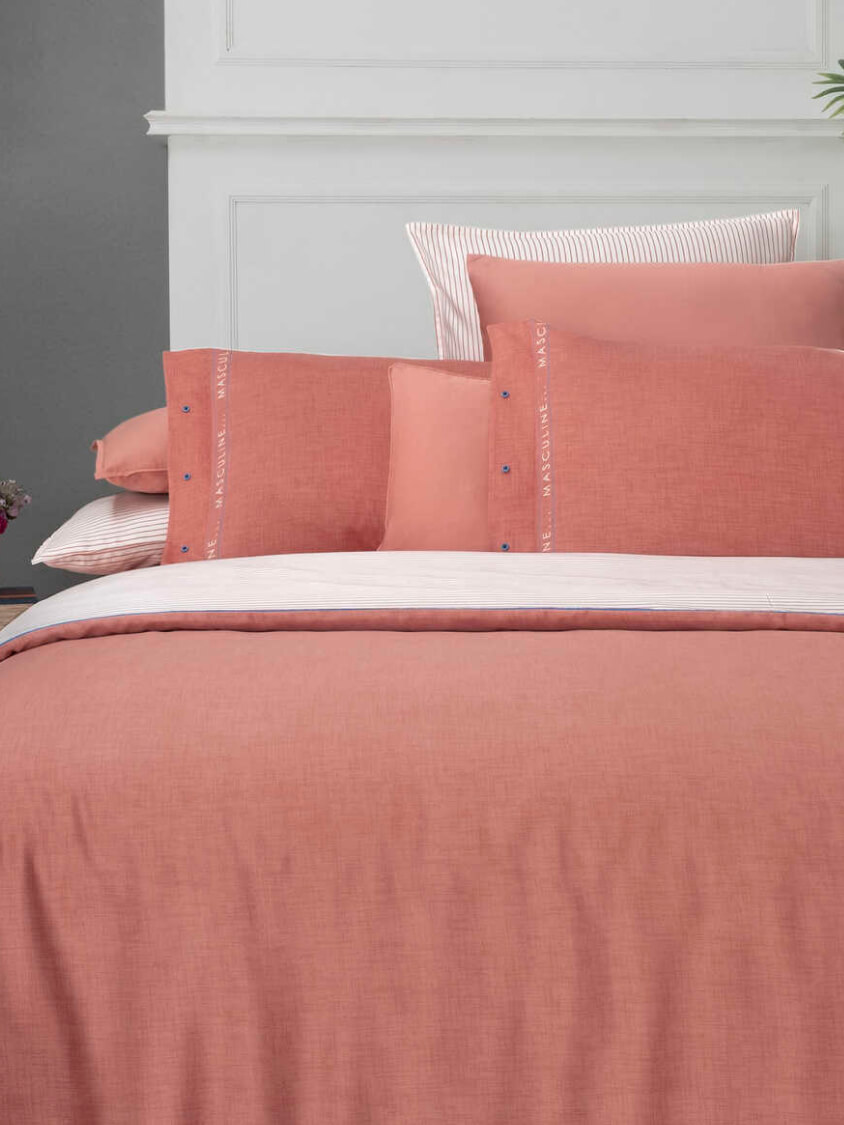
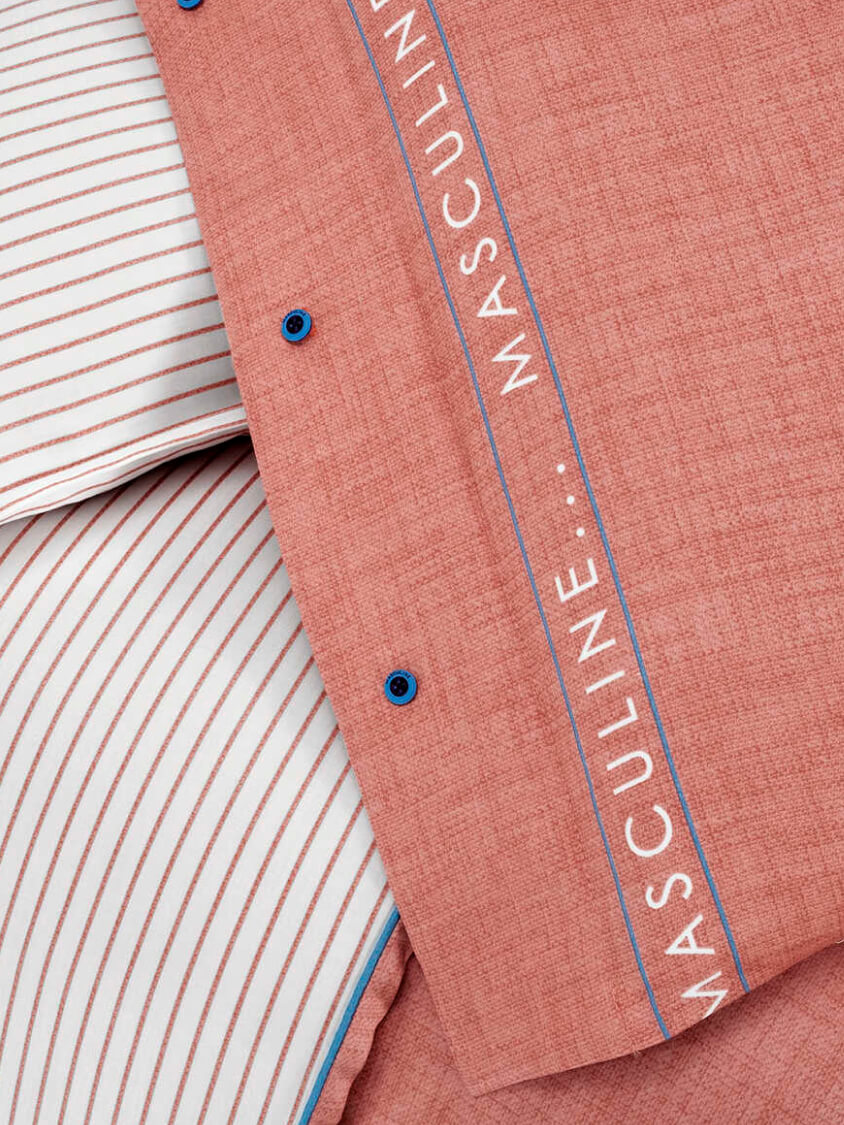
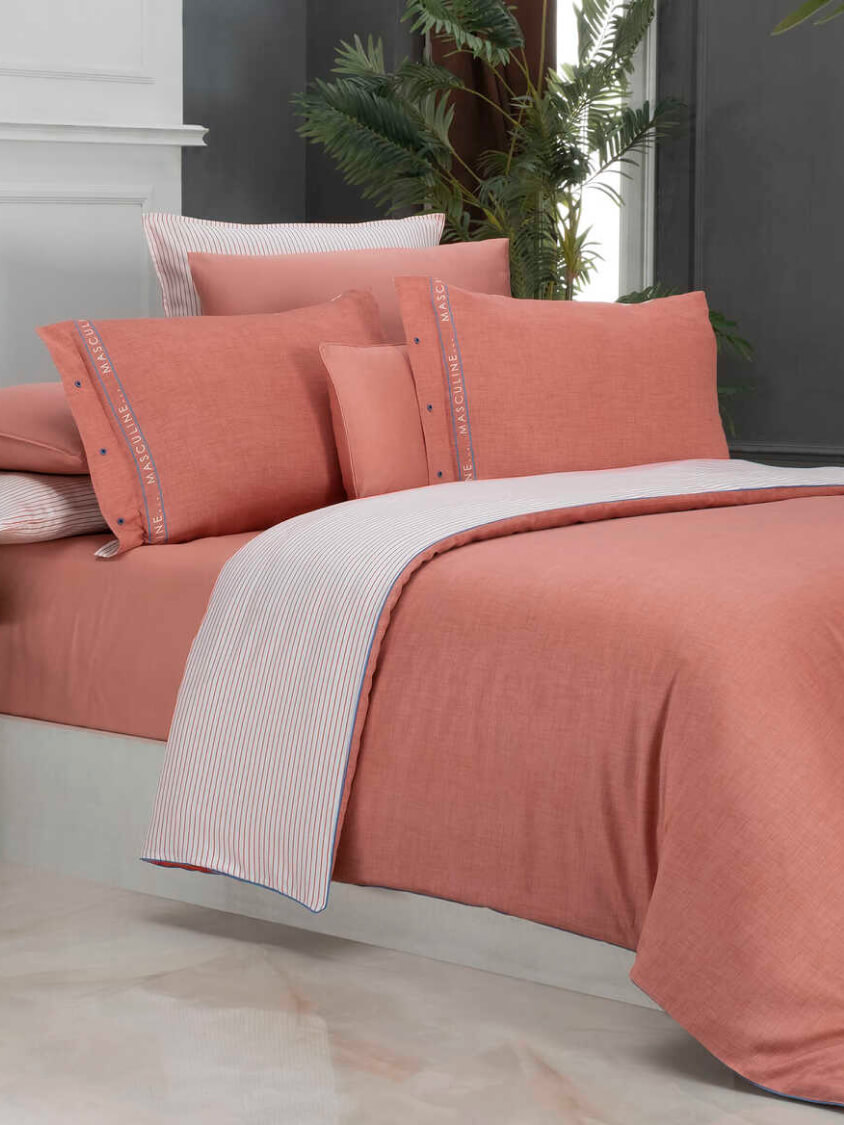
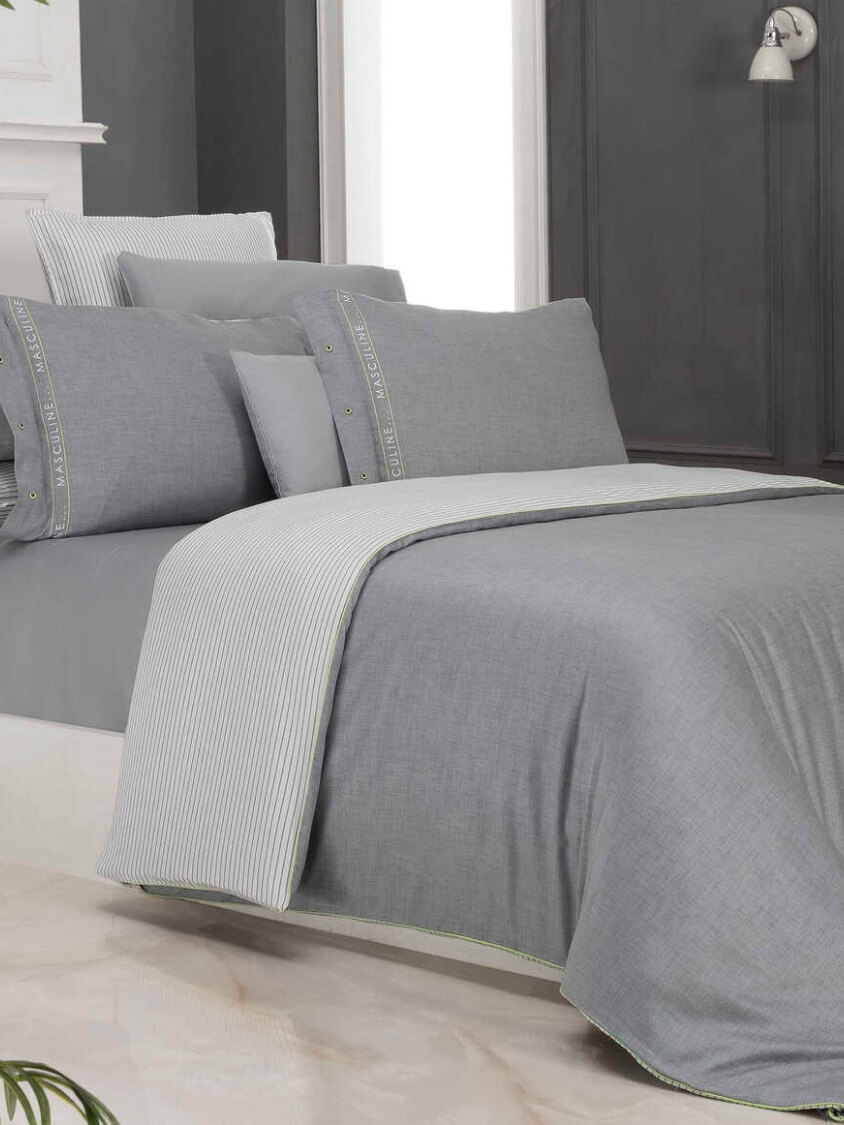
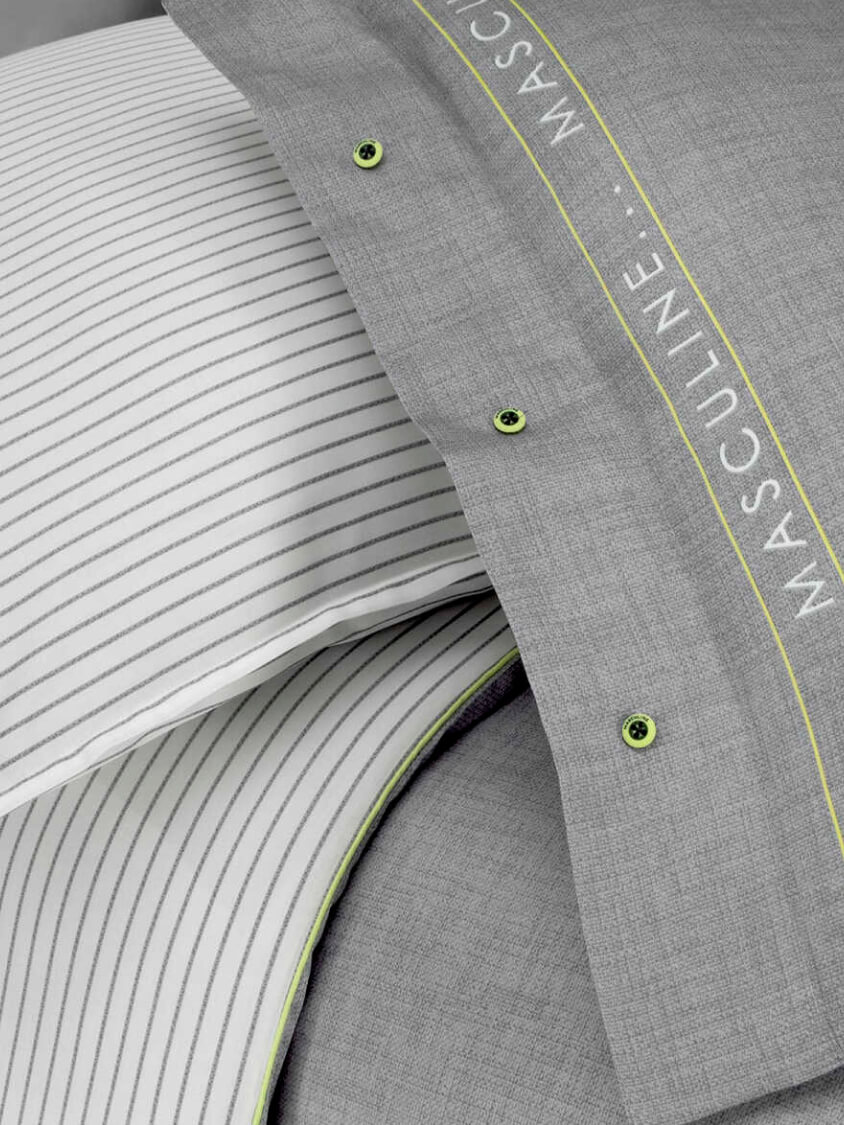
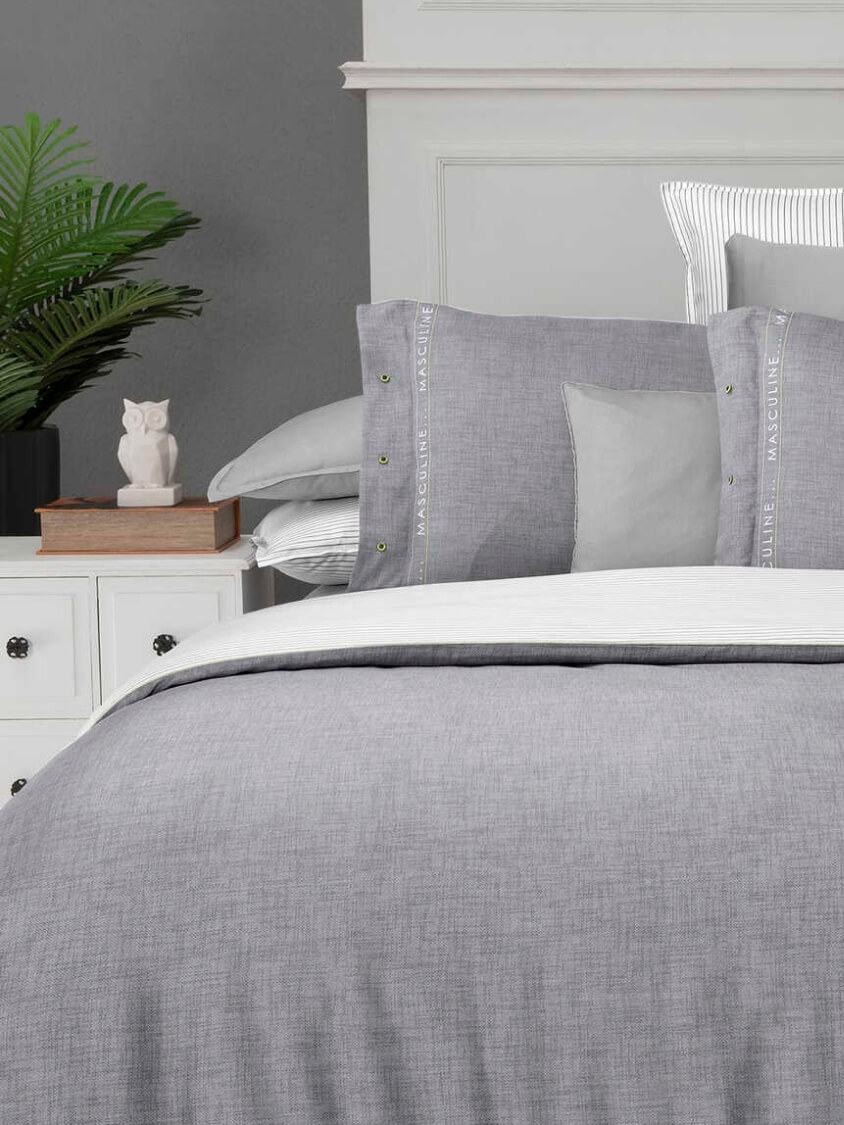
Tencel is also widely used in producing home textiles such as bedding, towels and upholstery. Thanks to its durability and ease of care, these products are not only attractive but highly functional.
More and more contemporary brands and designers are choosing to use Tencel in their collections, answering the growing needs of conscious consumers who look for sustainable, environmentally friendly materials. Tencel is thus an answer to the demand for fashion that combines modern design with ecological responsibility, an excellent choice for anyone who cares about the planet.
Does Tencel (Lyocell) have drawbacks?
Although Tencel (Lyocell) has many advantages, it is not free of certain drawbacks. One of the main challenges connected with this material is production costs. Making Tencel calls for specialised technology and chemicals, which raises the price of the final product. In addition, sourcing the raw materials and applying a more sustainable production process also involve higher costs, which can affect the price of clothing or other products made from this material.
As for care, Tencel calls for caution. The material is delicate and can be damaged by washing or drying at too high a temperature. To preserve its properties and durability, therefore, the washing and drying instructions have to be followed, which can be something of a challenge in everyday use.
Summary: Tencel (Lyocell) – the material of the future
Tencel (Lyocell) is a material that decidedly deserves attention. It combines everything consumers look for today: naturalness, comfort and ecology. Sourced from wood, Tencel is a semi-synthetic material with a great deal to offer – it is remarkably soft, breathable and at the same time exceptionally durable. It absorbs moisture superbly, which makes it a great choice for warmer days or sportswear, and its hypoallergenic properties make it safe even for people with sensitive skin.
Importantly, Tencel is also an environmentally friendly material. Producing it requires less water and fewer chemicals than traditional cotton, and the sustainable production process makes it one of the more ecological cellulose fibres on the market. It is therefore also fully biodegradable – at the end of its life cycle it leaves no trace behind.
In the textile industry Tencel is gaining significance as an alternative to less ecological materials. Thanks to its properties, it fits perfectly into the growing trend of sustainable fashion, an answer to the needs of conscious consumers. So if you are looking for a material that combines modern design with responsibility towards the planet, Tencel is a choice worth considering. It is a material of the future that not only looks superb but does something good for our planet.
FAQs – top 5 frequently asked questions about Tencel (Lyocell)
1. Is Tencel a 100% natural material?
Tencel (Lyocell) is a semi-synthetic material, meaning it comes from a natural raw material – cellulose sourced from wood. The production process, however, requires chemicals that transform cellulose into a finished fibre. Although Tencel is not fully natural, its production process is considerably more ecological than that of many other synthetic materials.
2. How to care for clothing made from Tencel?
Clothing in Tencel calls for gentle care in order to keep its properties. Wash in the machine at a low temperature, ideally in cold water, using mild detergents. Washing in a protective bag helps avoid mechanical damage. Tencel should not be tumble dried; it is best dried in the open air, out of direct sunlight.
3. What are the differences between Tencel and modal?
Tencel and modal are both fibres derived from cellulose, but they differ in the production process. Tencel is made using solvents in a process that is more environmentally friendly, while modal is produced in a process similar to viscose, which may use more chemicals. Tencel is also more hard-wearing, more absorbent and less prone to shrinking after washing.
4. Which brands offer products in Tencel fibre?
Many reputable fashion and textile brands have turned to Tencel, appreciating its properties and sustainable character. Examples include: H&M Conscious, Patagonia, Eileen Fisher, Levi's and Prana. These brands use Tencel in their collections, offering ecological products that combine fashionable design with responsibility towards the environment.
5. Is Tencel a material resistant to damage?
Tencel is characterised by great strength and resistance to damage. It resists stretching and keeps its form for a long time, which means clothing made from Tencel lyocell is durable and retains high quality even after many washes. Like every delicate material, however, it needs proper care in order to extend its life as far as possible.