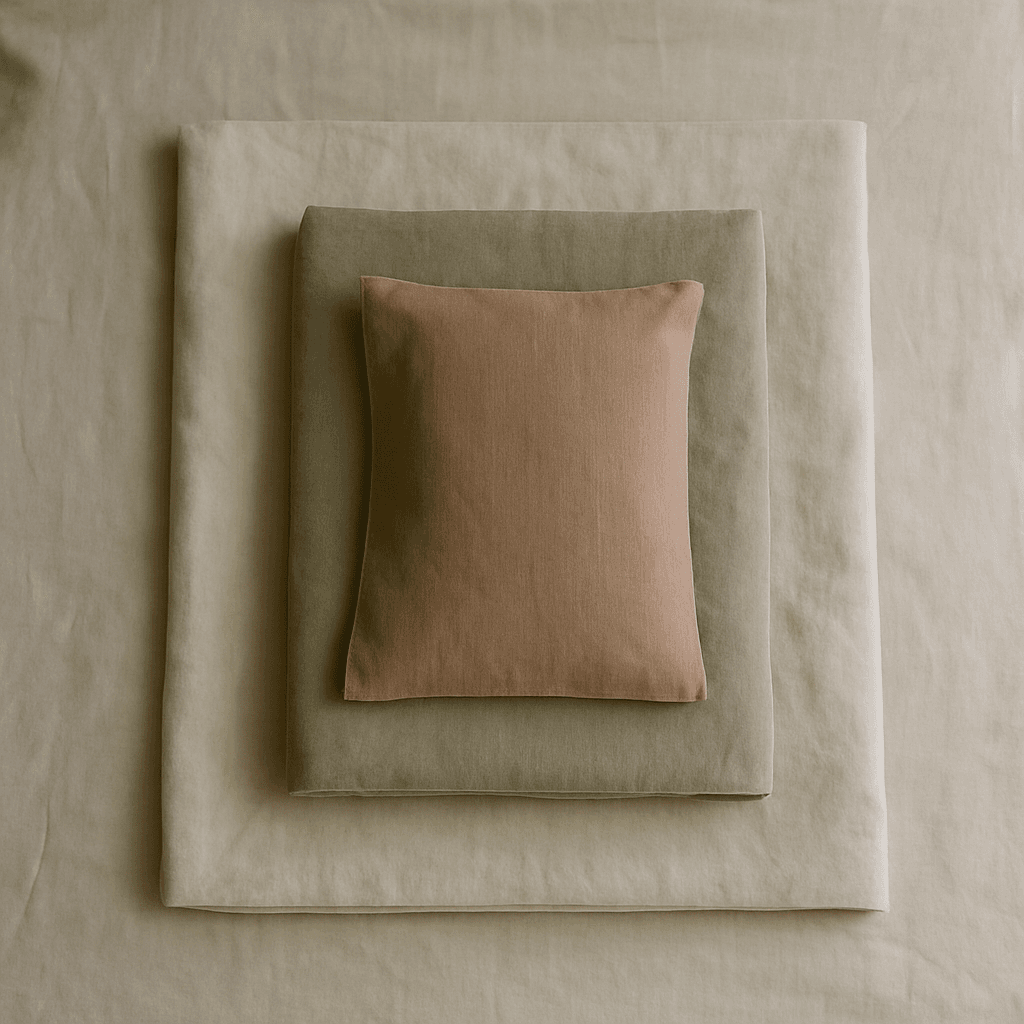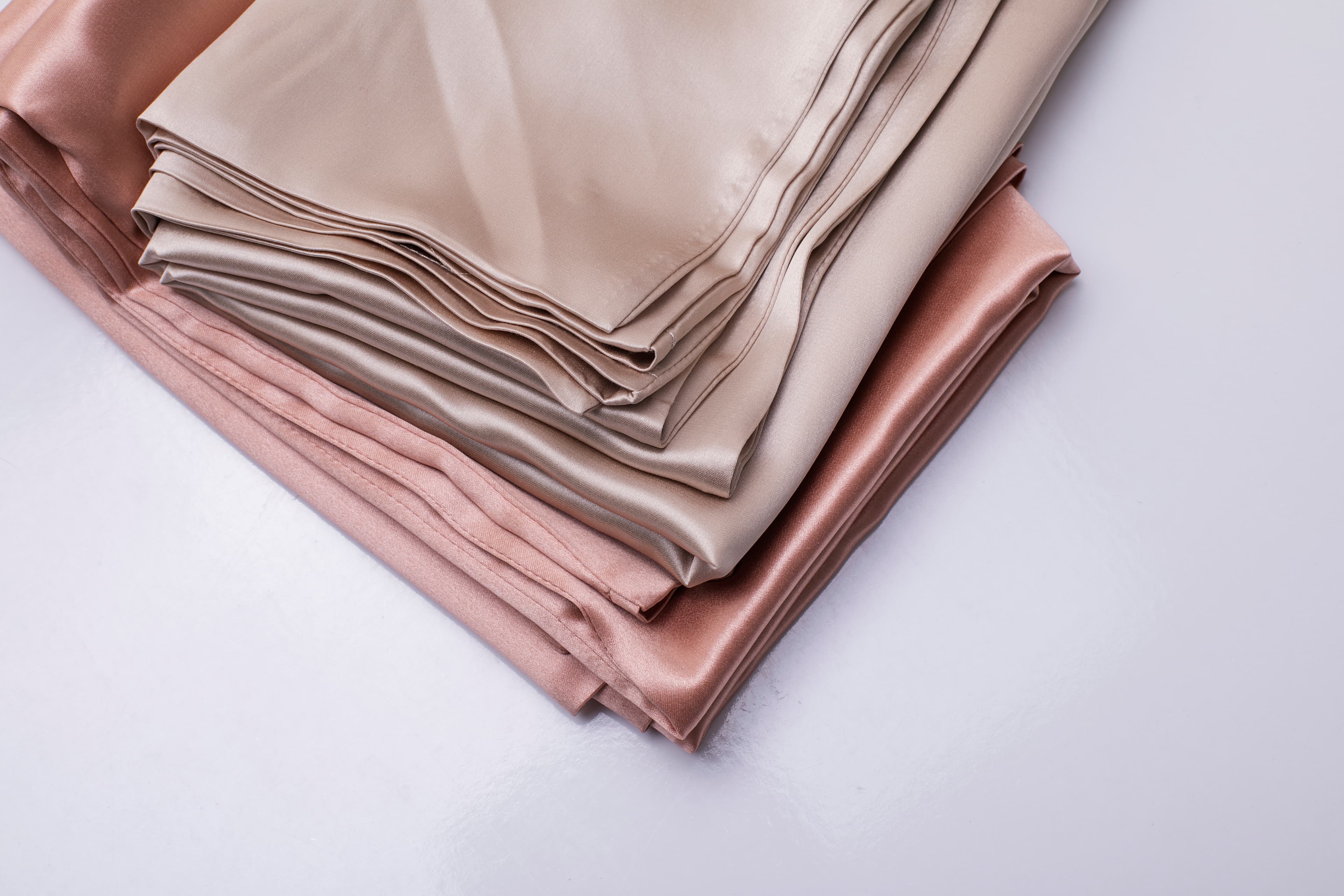


Freshness, elegance and order – these are the first things that come to mind when we think of beautifully starched bedding. Although many people associate the treatment with their grandmother's house, starching is making a comeback, especially among those who care about bedroom aesthetics and natural ways of caring for fabrics.
Guide:
|
What is starch and how does it work?
Starch is a water-based solution of plant starch (usually potato or corn starch) that has been used for years to care for fabrics. Its job is to form a thin, invisible protective layer on the surface of the material. This makes bedding smoother, more resistant to stains and easier to iron. Starching is one of the oldest home methods for keeping bedding fresh and elegant.
The way starch works is based on stiffening the fabric fibers, which makes them less prone to creasing and wear. This is especially useful for cotton bedding, sateen or damask bedding, which looks brand new once starched – glossy, clean and neatly arranged. The process also protects the material against rapid moisture absorption and the growth of microorganisms, something appreciated by anyone who values hygienic sleep and natural textile care.
At home, you can make homemade starch from a few simple ingredients, making it an eco-friendly and inexpensive solution. Ready-made spray starches are also available, giving you a quick smoothing effect. Whatever method you choose, starching bedding is an effective way to extend its lifespan, improve its appearance and keep it looking as fresh as we usually associate with luxurious interiors.





Why is it worth starching your bedding?
For many people, starched bedding brings back childhood memories – smelling of freshness, perfectly smooth, with that characteristic crispness associated with the warmth of home and a grandmother's care. Today we're returning to this practice not just out of nostalgia, but also out of concern for sleep quality and bedroom aesthetics.
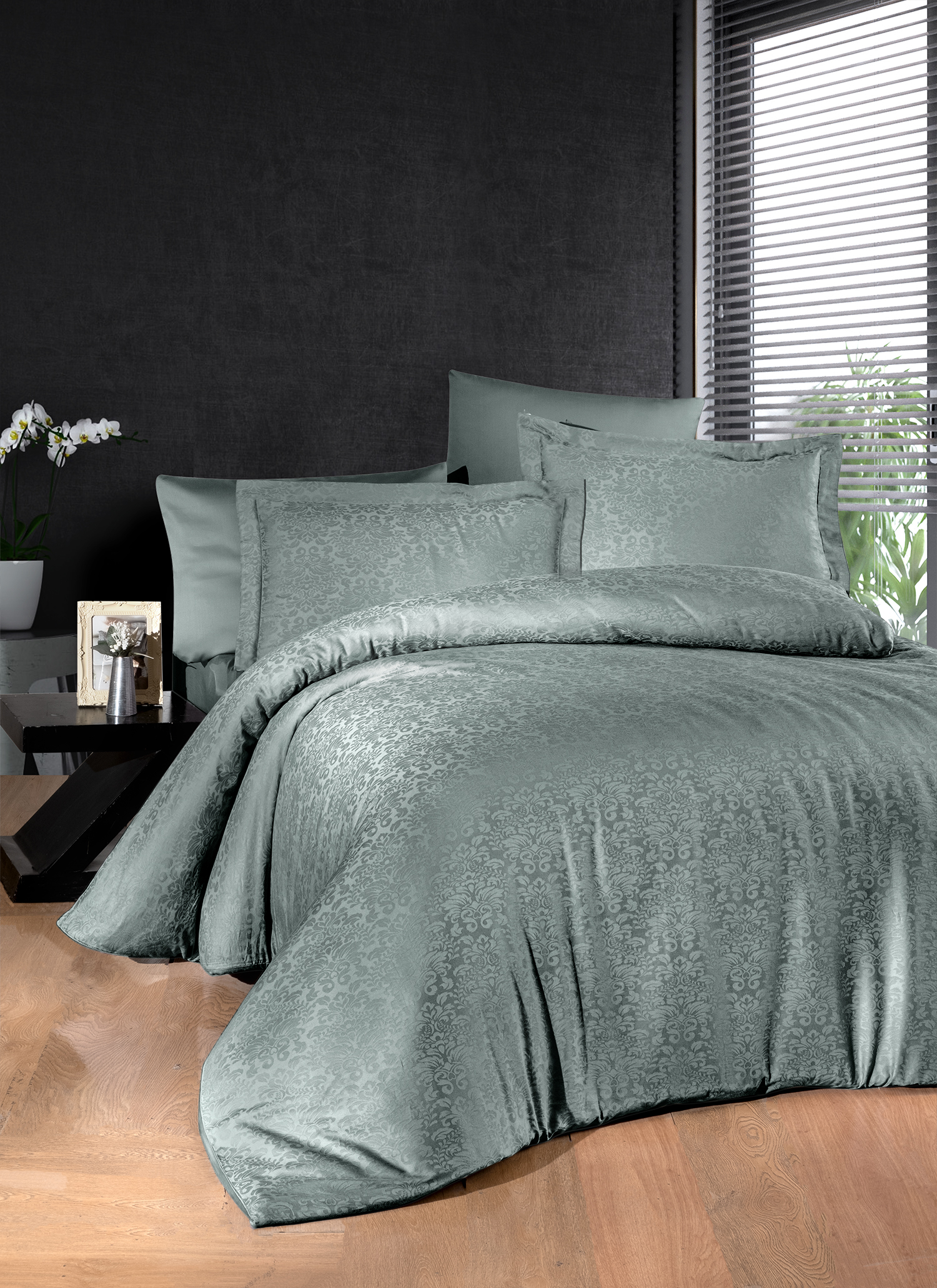
Starching bedding comes with a range of practical benefits. Above all, it gives the fabric an elegant, tidy look – the material is smoother, wrinkles less and looks better on the bed. Bedding coated with a thin layer of starch is also more resistant to stains and easier to iron. Importantly, this coating reduces the absorption of sweat and dust, which helps maintain sleep hygiene – something allergy sufferers and people with sensitive skin will especially appreciate.
It's also a natural way to care for cotton or linen bedding, one that can significantly extend its lifespan. Just one starching session is enough to make bedding look brand new and give it a sense of freshness that's hard to compare to anything else.
Which bedding can be starched, and which can't?
Not every fabric handles starching well, so before you start, it's worth checking the bedding's fabric composition and weave type. To achieve the desired effect without risking damage to the material, starch should only be used on suitable fabrics.
✅ Bedding that can be safely starched:
• 100% cotton bedding – both classic and Egyptian cotton bedding, especially with a dense weave (e.g. cotton sateen, percale, damask). After starching it gains an elegant look, becomes smoother and less prone to wrinkling. • Linen and linen-cotton blends – it's best to use a gentler starch so as not to dry out the fibers. • Hotel bedding or decorative bedding – ideal for starching, especially if you're after a neat and elegant finish.
❌ Bedding that should not be starched:
• Microfiber – a synthetic material that doesn't need starch and may react poorly to its ingredients. • Flannel – its fluffy, soft structure becomes stiff after starching and loses its pleasant feel. • Polyester bedding or bedding blended with synthetic fibers – starch can cause the fibers to clump together and reduce overall comfort.
❗️Tip: to make sure a given piece of bedding is suitable for starching, simply check the fabric composition on the label. Natural fabrics work best: cotton, cotton sateen and linen.
How to starch bedding at home, step by step
Starching bedding at home doesn't require any special products or experience. All you need is a few simple ingredients and a bit of free time to achieve the effect of fresh, elegantly crisp bedding – the kind you associate with luxury hotels or childhood memories.
Preparing homemade starch:
Ingredients:
1 liter of cold water
1 tablespoon of potato flour (or cornstarch)
Method:
Thoroughly dissolve the potato flour in a small amount of cold water so no lumps form.
Pour the mixture into a pot, add the remaining water and bring to a boil.
Cook briefly, stirring constantly, until the starch thickens slightly (it should have the consistency of thin fruit jelly).
Remove from heat and let it cool. The starch should be lukewarm, not hot.
Starching bedding – step by step:
Soaking the fabric Place the bedding in the lukewarm starch and let it soak evenly.
Draining Gently squeeze out the excess starch (without wringing), so the fabric stays evenly damp.
Drying It's best to hang the bedding in the shade, on a wide surface. Don't let it dry completely — the ideal moment for ironing is while it's still slightly damp.
Ironing Iron the bedding at a medium temperature, without steam. This lets the starch set on the surface of the material, giving the bedding a smooth, elegant finish.
❗️Tip: classic starch works well for cotton and linen. For thinner or more delicate fabrics, it's worth diluting the solution with water to avoid excessive stiffness. It's best to starch bedding once every few washes – no more often than every 3–4 cycles.


Homemade vs. ready-made starch – which to choose?
Homemade starch is the most commonly chosen option for caring for bedding made from natural fabrics like cotton or linen. It's cheap (about PLN 1 per liter), easy to prepare and completely natural – it contains no chemicals or artificial fragrances, which makes it suitable for premium bedding and allergy sufferers too. It also lets you control the intensity of the effect, since the solution can be diluted as needed.
Ready-made spray starch is a convenient, quick solution. There's no need to cook it, it works instantly and is easy to use while ironing. However, it's usually more expensive (from PLN 12 to 25 per 500 ml) and may contain alcohol, fragrances or preservatives that aren't always suitable for delicate fabrics.
Premium bedding and starching
For premium bedding – especially made from Egyptian cotton, cotton sateen or damask – starching isn't necessary, but it can highlight the fabric's elegant look. Lightly stiffened bedding looks even more luxurious, is smoother and easier to iron. It's worth using a gentle starch though, ideally homemade or diluted, so as not to disrupt the fiber structure. Over-starching can strip the fabric of the softness that higher-quality bedding is prized for. For the best results, it's recommended to iron the bedding while it's still slightly damp.