
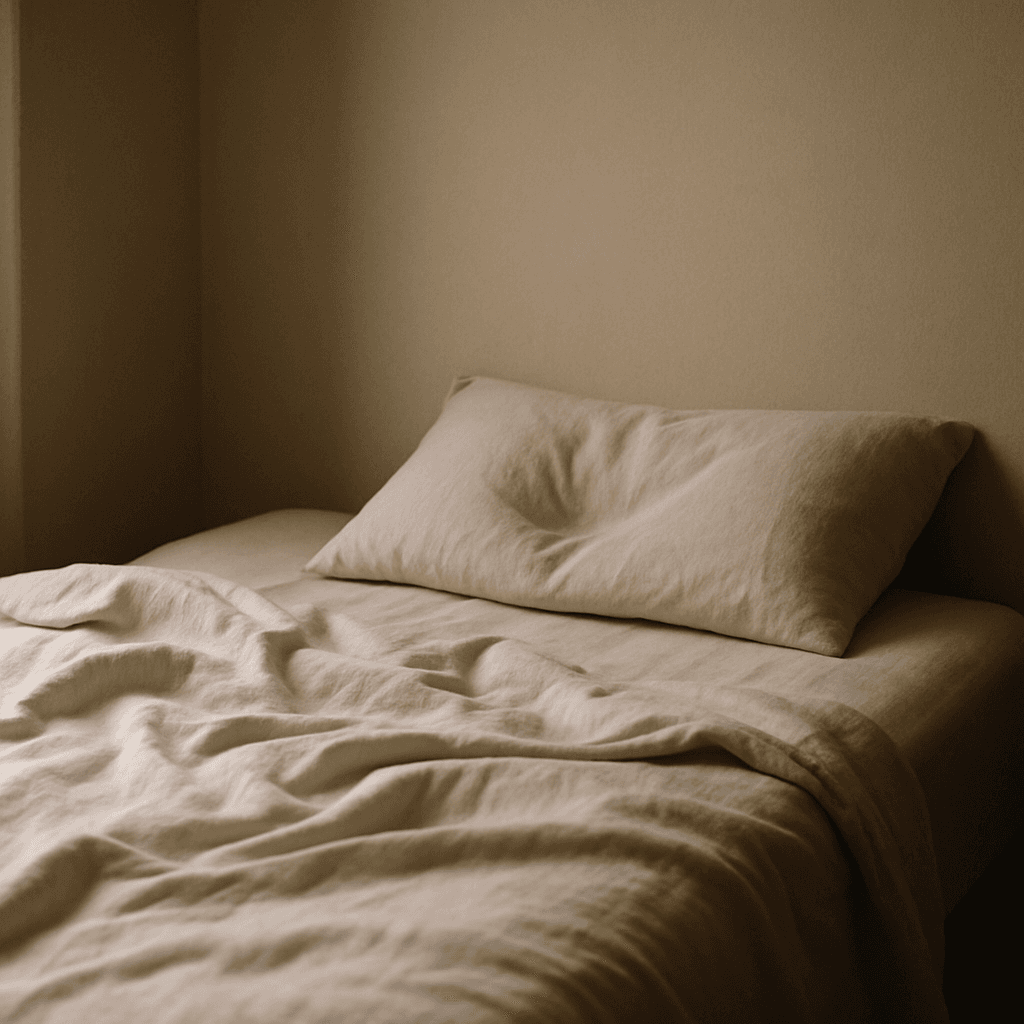
Sleep is the foundation of our health, wellbeing and everyday effectiveness. Unfortunately, more and more people struggle with falling asleep. Stress, sensory overload, poor habits or the wrong sleeping conditions can leave you lying in bed, tossing and turning while the clock keeps ticking. Sound familiar? How can you fall asleep fast and wake up truly rested? Fortunately, there are many effective methods that can help.
To fall asleep effectively, it's worth focusing on a few key aspects:
Relaxation techniques – breathing exercises, progressive muscle relaxation and meditation help calm the mind.
Sleep hygiene – regular sleep hours, avoiding screens before bed and the right bedroom conditions make a huge difference.
Limiting stimuli – reducing noise, dimming the lights and avoiding caffeine in the evening help you fall asleep faster.
Quieting the mind – techniques such as journaling or visualization help clear away racing thoughts.

The Most Effective Techniques for Falling Asleep Fast
Struggling to fall asleep? You're not alone! Fortunately, there are proven methods that can help you drift off faster and improve your sleep quality. Here are three effective techniques worth trying.
The Military Method – How to Fall Asleep in 2 Minutes
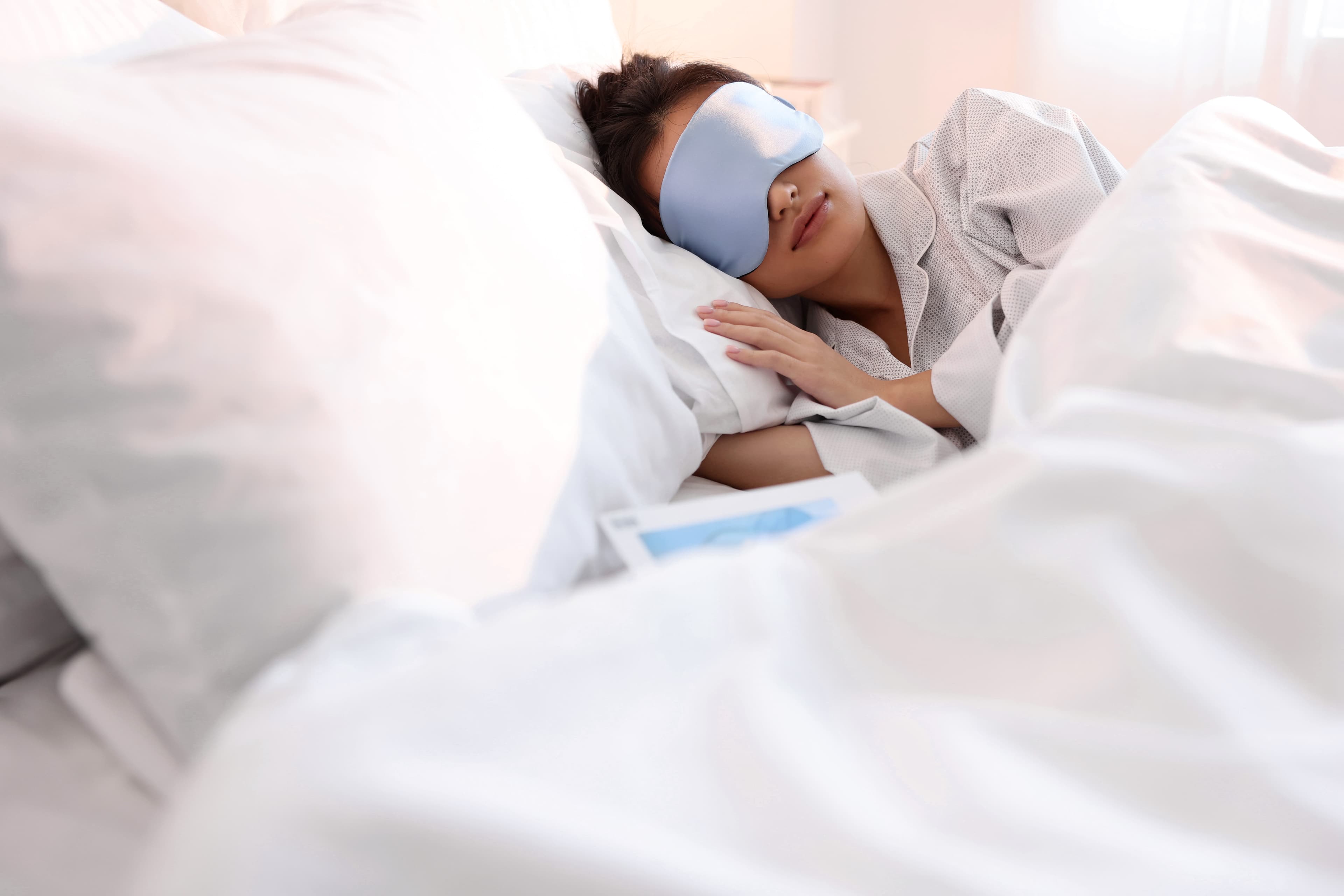
Sounds like magic? Yet it really works! The military method is a technique used by American soldiers, who need to fall asleep in any conditions – even on the battlefield. The key lies in gradually relaxing the muscles and calming the mind.
To use the military method, start by gradually relaxing your entire body. Begin with your face – relax your forehead, cheeks, eyelids and jaw. Then drop your shoulders and let your arms rest loosely along your body. Focus on your chest and stomach, gradually releasing the tension. Move down through your legs, all the way to your feet. Every muscle should be completely relaxed. Once you've reached a state of full relaxation, try to calm your mind. Picture a peaceful, soothing scene – a beach, a forest or a quiet lake at sunset. Alternatively, you can repeat one calming word in your mind, such as “calm” or “quiet”.
Practicing this method regularly can make falling asleep easier and faster, even in stressful situations.
How to Adapt the Military Method for Home Use
The military method works well in extreme conditions, but it can also be applied effectively in everyday life. To boost its effectiveness, try combining it with additional relaxation techniques. For example, you could play soft relaxing music in the background, light a scented candle with lavender oil, or use mindfulness techniques to help disconnect from the day's thoughts. It's also important to limit screen time before bed – the blue light emitted by phones and computers suppresses melatonin production, making it harder to fall asleep.
The Psychological Side of the Military Method
One of the biggest problems for people struggling with insomnia is constantly replaying the day's events. When we lie down in bed, our mind often starts working overtime, processing everything that happened to us. As a result, it's hard to switch off and enter a state of deep relaxation. The military method effectively cuts us off from these thoughts, forcing us to focus on the body and on one specific mental image instead. It's a form of mental training that, over time, lets you reach a relaxed state almost automatically and fall asleep almost instantly.
What's more, this method also works for people who experience nighttime anxiety or intrusive thoughts. Concentrating on each part of the body in turn, combined with controlled relaxation, stops the mind from dwelling on negative emotions and keeps it focused solely on the relaxation process.
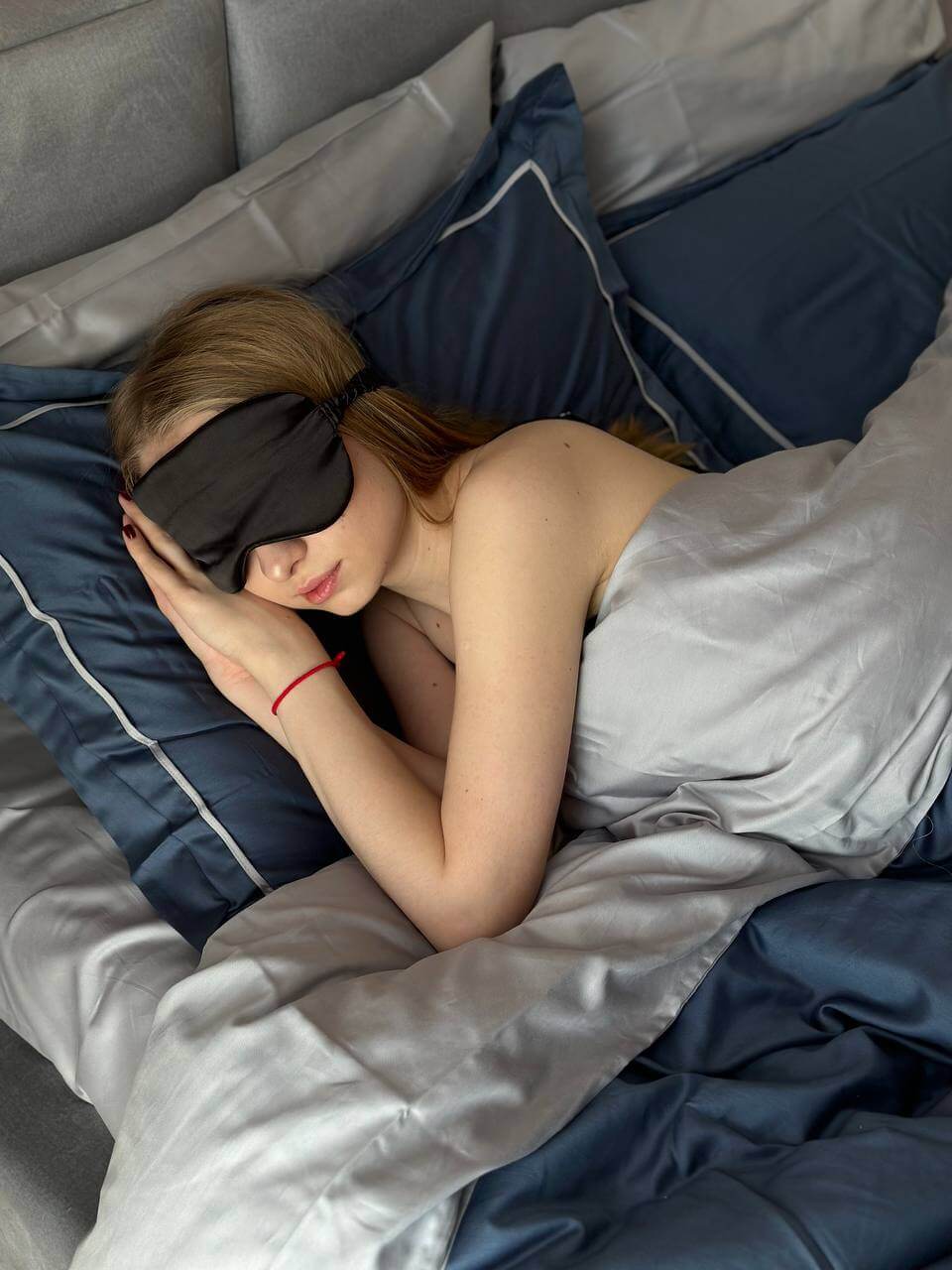
The 4-7-8 Breathing Technique – Breath Control for Faster Sleep
Another remarkably effective method for falling asleep quickly is the 4-7-8 technique. It's based on conscious breath control, which helps calm the body and quiet the mind. This technique is often used in meditation and relaxation, but it also works well as a sleep aid.
To practice the 4-7-8 technique:
Take a deep breath in for 4 seconds.
Hold your breath for 7 seconds.
Slowly breathe out for 8 seconds.
Repeat the cycle several times until you feel yourself relax.
Repeat the whole cycle several times, focusing solely on your breathing. This calms the body, slows the heart rate, and gradually releases muscle tension. The technique acts like a natural sedative, and practicing it regularly can significantly improve your sleep quality.
The Benefits of Proper Breathing Before Bed
Proper breathing doesn't just help you fall asleep faster – it also improves sleep quality overall. People who regularly practice breathing techniques often report fewer nighttime awakenings and deeper, more restorative sleep. What's more, breathing in the 4-7-8 rhythm lowers blood pressure and improves overall cardiovascular health, which further boosts your wellbeing during the day.
By using both the military method and the 4-7-8 breathing technique, you can noticeably shorten the time it takes to fall asleep and improve the quality of your rest. The two techniques work on different levels – the first focuses on relaxing the body and controlling thoughts, the second on the physiological mechanisms that regulate stress levels. Combining them can make falling asleep feel natural and effortless, ultimately improving your overall quality of life.
It's worth adding that falling asleep quickly isn't just about relaxation techniques – lifestyle matters too. Regular physical activity, avoiding excessive caffeine, and eating light, easily digestible meals before bed are all factors that support a healthy circadian rhythm and better sleep quality. Remember, sleep is the foundation of our health and wellbeing – it's worth taking care of its quality every day.
Combining the Military Method with Other Relaxation Techniques
The military method pairs perfectly with other techniques that support fast, restful sleep. Besides 4-7-8 breath control, you can add elements of mindfulness meditation, relaxing yoga or aromatherapy. Each of these methods works on a different aspect of the body – some calm the mind, others relax the body, and others still engage our sense of smell, which also plays a major role in falling asleep. Combining different techniques helps the body enter sleep mode faster and significantly improves sleep quality.
Mindfulness Meditation Before Bed
Mindfulness meditation is about focusing on the present moment and accepting thoughts and feelings without judgment. Many people who struggle to fall asleep are overwhelmed by racing thoughts, replaying the day's events or worrying about the future. Meditation helps you focus on the here and now, reducing stress and mental tension. All it takes is closing your eyes, focusing on your breath, and letting your thoughts flow freely without engaging with them.
A short, 10-minute meditation session before bed can help quiet the mind and prepare the body for rest. You can also use guided meditations available in apps or on streaming platforms, where a narrator walks you through the relaxation process step by step. This is especially useful for people who are just starting out with meditation and find it hard to stay focused.
Relaxing Yoga
Gentle yoga exercises done right before bed can help release tense muscles and calm the body. Poses such as forward folds, “child's pose” or “corpse pose” allow for deep relaxation and make it easier to drift off to sleep. In yoga, combining movement with breath is especially important – slow, deep inhales and exhales during each pose help relax and soothe the nervous system.
Practicing relaxing yoga regularly before bed can not only improve the quality of your rest but also boost your body's flexibility and reduce stress-related tension. It's also worth trying the “legs up the wall” pose, which improves blood circulation and has a soothing effect on the nervous system. Even 5-10 minutes of gentle stretching can make a significant difference to your sleep quality.
Aromatherapy – How Scents Affect Sleep
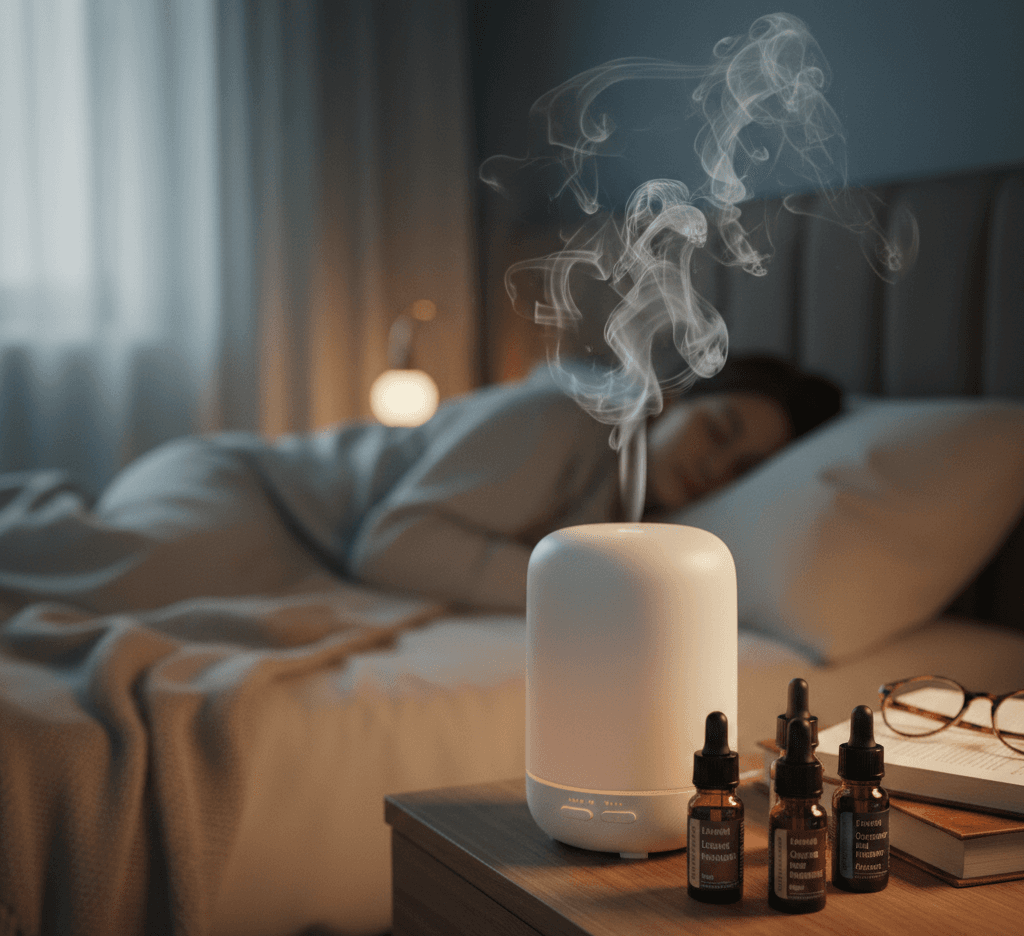
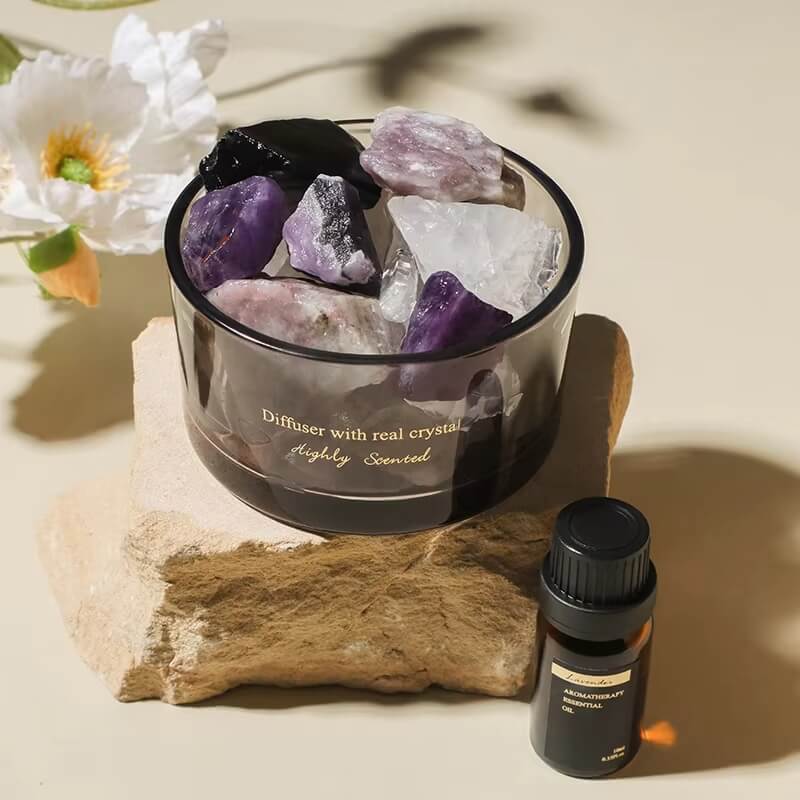
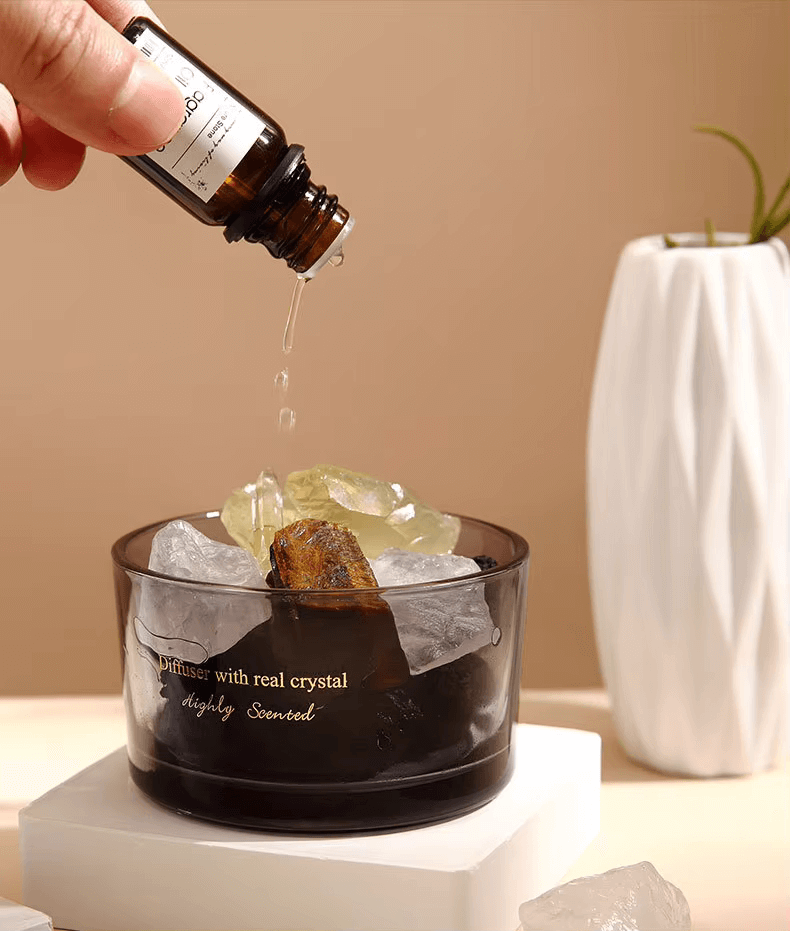
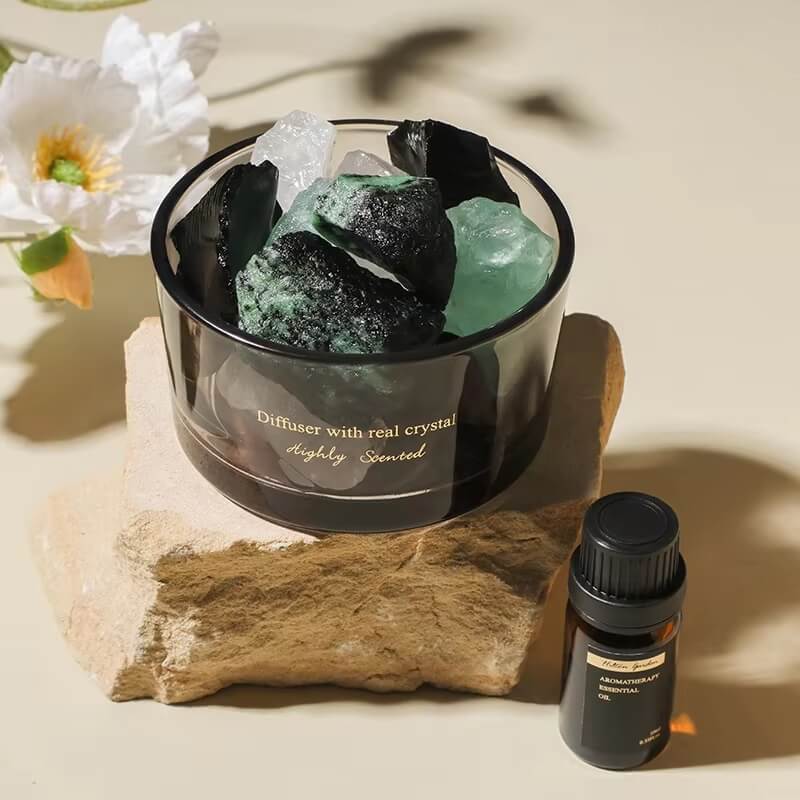
Scents can have a powerful effect on our wellbeing and our ability to relax. Lavender oil, chamomile, sandalwood and lemon balm all have calming properties that help you fall asleep faster. Aromatherapy works on the limbic system, which is responsible for our emotions, meaning the right scents can effectively reduce stress and tension.
To make the most of aromatherapy, try a few simple methods:
Add a few drops of essential oil to a diffuser or humidifier in the bedroom.
Sprinkle a little lavender oil on your pillow or bedding.
Take a relaxing bath with a few drops of essential oils.
Enjoy a relaxing massage using calming oils.
Combining aromatherapy with other relaxation techniques, such as meditation or yoga, can further boost their effect. Keep in mind that not all scents are calming – avoid intense, stimulating aromas like citrus or eucalyptus, which can make it harder to fall asleep.
The Importance of Bedtime Rituals
One of the key aspects of sleep hygiene is keeping consistent bedtimes and wake-up times. Our bodies love routine – repeating certain activities at the same time each day sends a signal to the brain that rest is on its way. A good bedtime ritual might include:
A short yoga or stretching session,
A 10-minute meditation,
Using essential oils,
Avoiding screens for an hour before bed,
A warm bath or shower,
Reading a book in calm, dim light.
It's important to avoid intense stimuli before bed – watching thrilling movies, intense workouts or scrolling through social media can put the body into a state of arousal, making it much harder to fall asleep. It's equally important to maintain comfortable sleep conditions – the right mattress, a dark room and an optimal temperature (around 18-20°C) are the basics of healthy sleep.
Blue Light – The Enemy of Peaceful Sleep
We live in a world of screens – smartphones, tablets and laptops are with us almost all day long. The problem is that blue light emitted by these devices suppresses the production of melatonin, the hormone responsible for sleep. The result? Trouble falling asleep and lower-quality rest.
To minimize the negative impact of screens on your sleep, try to:
Limit device use for at least an hour before bed.
Turn on night mode on your smartphone and computer.
Wear blue-light-blocking glasses if using screens is unavoidable.
What changes can you make today to improve your sleep?
The Ideal Bedroom Temperature – The Key to Deep Sleep
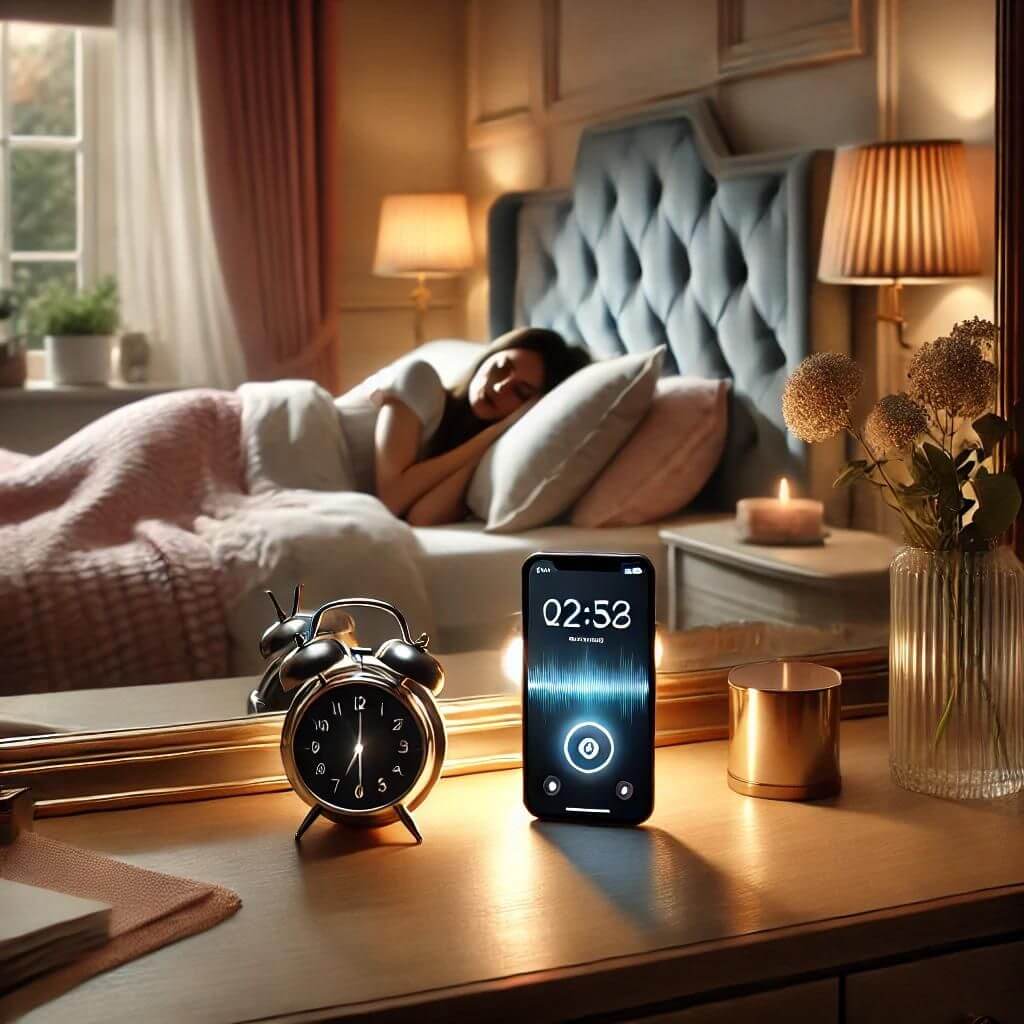
Bedroom temperature has a huge effect on sleep quality. Studies show the optimal range is 18-20°C – in these conditions, the body finds it easier to enter deep rest.
To create ideal sleep conditions, make sure you have:
Good ventilation – fresh air supports recovery.
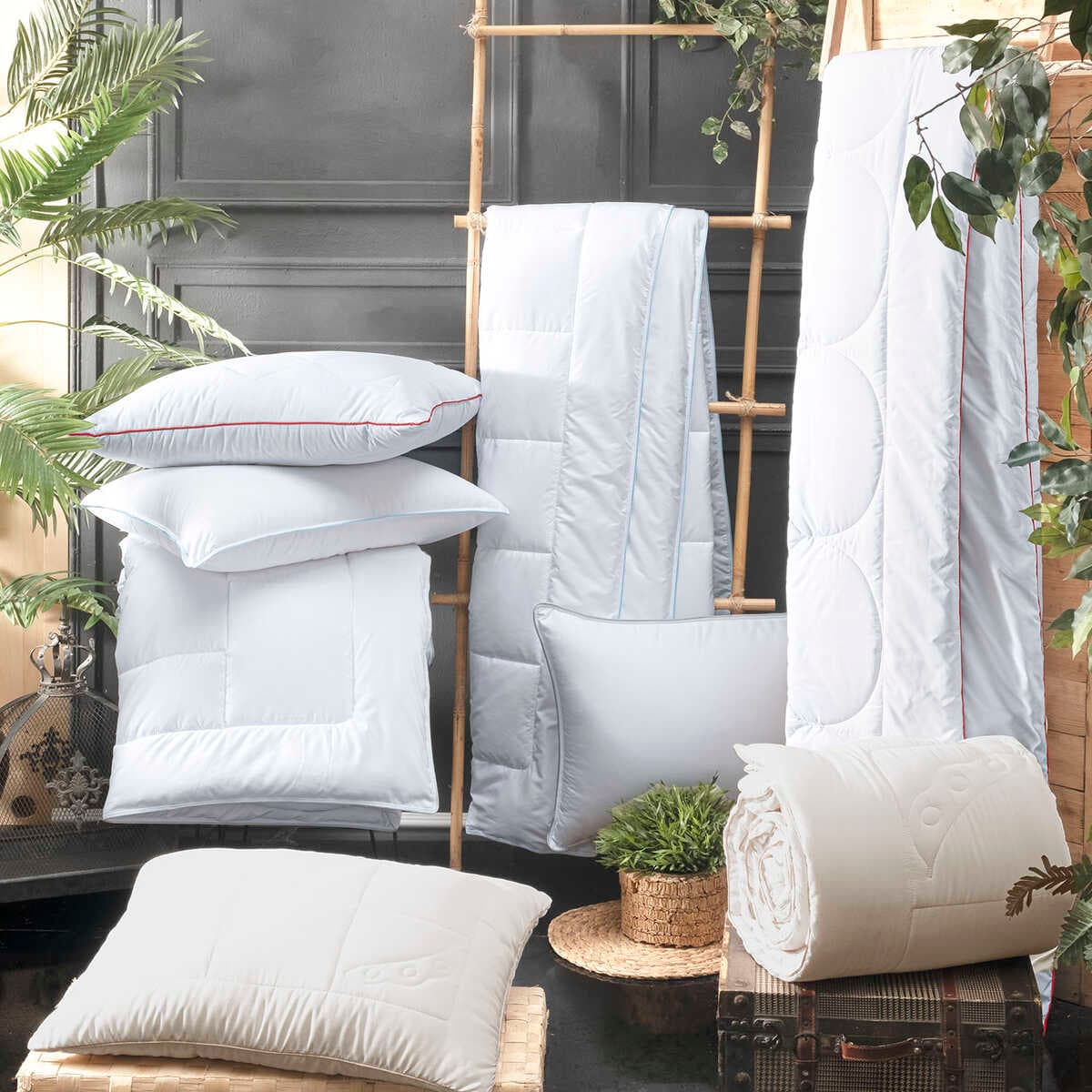
Lightweight bedding – prevents the body from overheating.
A comfortable mattress – provides proper support for the body.
A Sleep-Supporting Diet – Foods That Make Falling Asleep Easier
What you eat has a major impact on your sleep quality. A diet that supports nighttime rest should include foods rich in tryptophan – an amino acid that the body converts into serotonin and then into melatonin.
Foods that support healthy sleep include, among others:
Milk – contains tryptophan and calcium, which helps the body absorb it.
Fish – rich in omega-3 fatty acids and vitamin D, which can help regulate melatonin levels.
Pumpkin seeds – a source of magnesium, which supports muscle relaxation.
Eating these foods regularly can support your body's natural sleep regulation. It's worth making small changes to your diet and seeing whether they improve your nighttime rest.
Summary
Falling asleep quickly is possible with the right relaxation techniques. The military method is a proven way to drift off fast, but it's worth combining it with additional strategies such as breath control, meditation or aromatherapy. Practicing these techniques regularly can significantly improve your sleep quality and help you wake up rested and full of energy every morning. Remember, healthy sleep is the foundation of good wellbeing and high daytime effectiveness – start taking care of it today!
What about you? Does your bedroom support healthy sleep?