
The dream catcher, also known as a dreamcatcher, is far more than just a striking decoration — it's an object deeply rooted in the traditions and beliefs of Native North Americans. Its functions and symbolism are multi-layered, which has made it a popular feature across many cultures worldwide. In this guide, we'll explore the meaning of the dream catcher, its history, and where it's best to hang one. We'll also answer the question of whether the dream catcher is bad, a topic that matters in today's discussions around its symbolism and significance.
Guide:
The meaning of the dream catcher
The history of the dream catcher
Where to hang a dream catcher?
Above the bed
In a child's bedroom
In a relaxation space
Outdoors
Is the dream catcher bad?
Summary

The meaning of the dream catcher
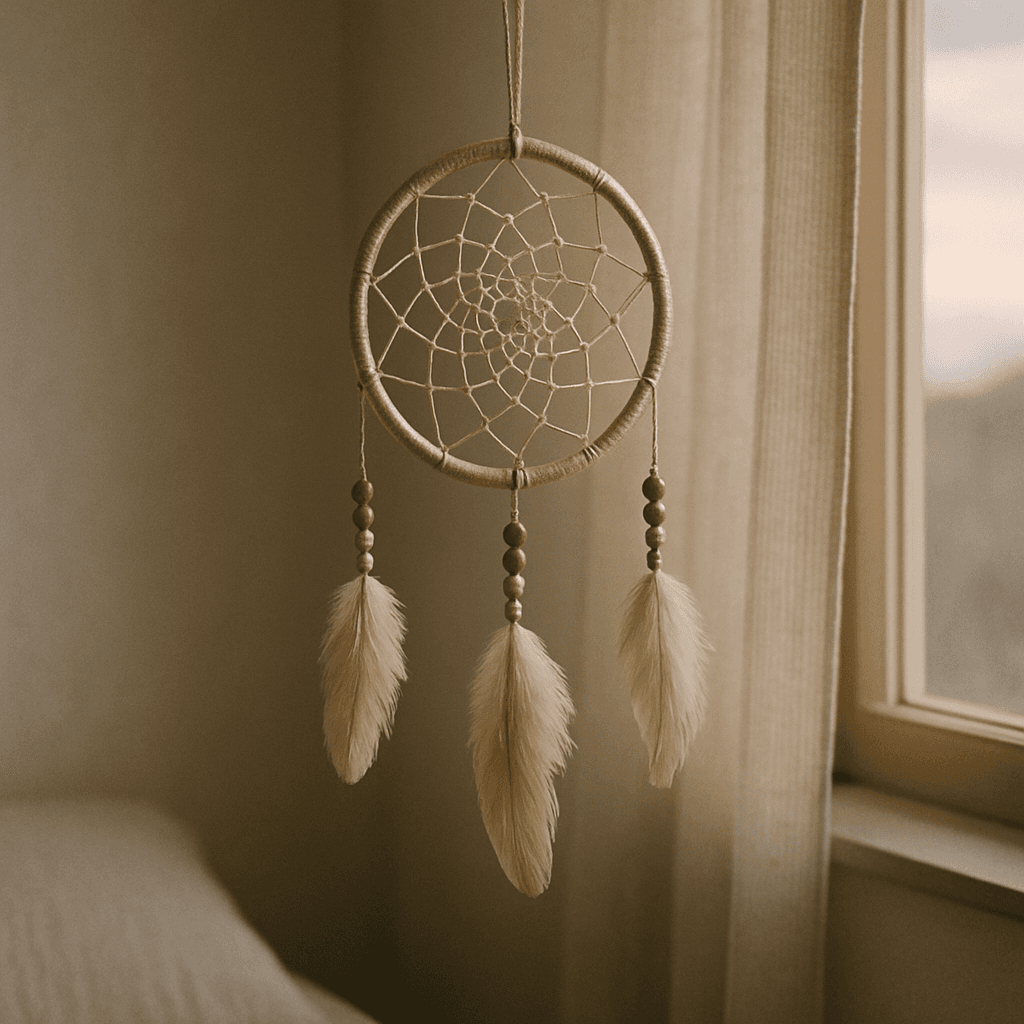
The dream catcher originally served as an amulet, meant to protect sleepers from evil spirits and bad dreams. It was believed that good dreams pass through the opening at its center, while bad dreams get caught in the web and dissolve in the light of the morning sun. This symbolism has made the dream catcher a symbol of hope, protection, and wellbeing.
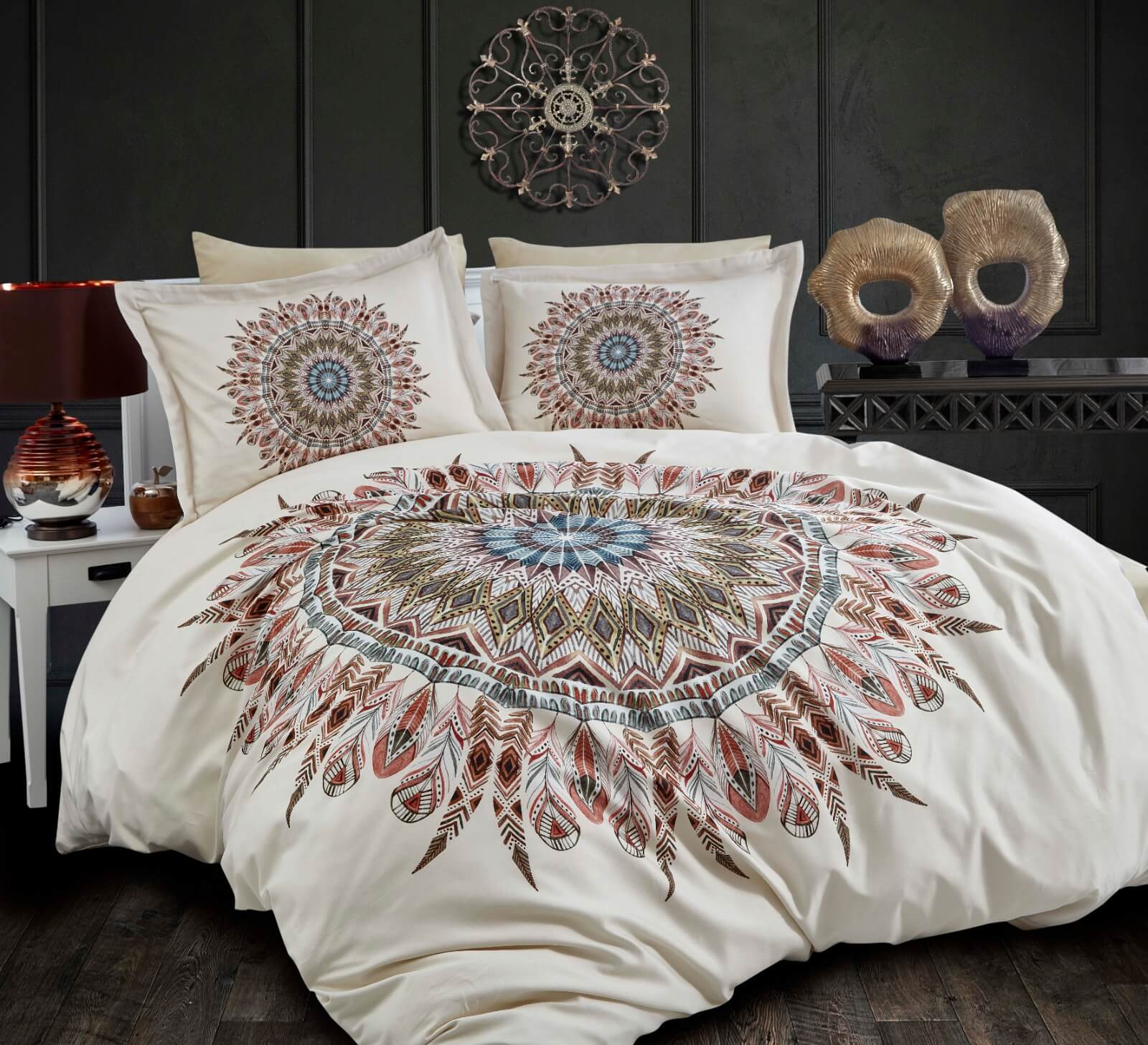
Modern interpretations of dream catchers often focus on their aesthetics and the way they can shape the mood of a room. Many people use them purely as decoration, adding character and warmth to an interior. What's more, the dream catcher motif frequently appears on furniture, decorative cushions, and bedding sets, letting its symbolism quietly weave its way into everyday life. Dream catchers are also often seen as talismans meant to support positive thoughts and emotions. Among those looking for a lasting expression of this symbolism, the dream catcher has grown popular as a tattoo design — one that not only adorns the body but also carries deep protective and spiritual meaning. Still, some people wonder whether the dream catcher is bad, thinking of its commercialization and its use outside its original cultural context.
The history of the dream catcher
The history of the dream catcher traces back to Native Americans, particularly the Ojibwe and Lakota peoples. For these communities, it was a cultural symbol and an integral part of their traditions. Made from natural materials such as wood, hide, and plant fibers, dream catchers came in various shapes and sizes depending on the region and local beliefs.
Traditionally, they were decorated with feathers, beads, and other elements that carried additional meaning. Over time, dream catchers grew popular beyond Native American culture, becoming an icon of fashion and art — which stirred some controversy. Today's perception of dream catchers as a pop-culture item raises questions about authenticity and respect for the original traditions.
Where to hang a dream catcher?
Choosing the right place to hang your dream catcher matters a great deal, both aesthetically and symbolically. Here are a few suggestions for ideal locations:
Above the bed: This is the traditional spot for hanging a dream catcher. It should be placed above the sleeper's head so it can effectively protect against bad dreams. This also allows easy access to positive energy.
In a child's bedroom: Dream catchers are especially popular in children's rooms, where they can help ease nighttime fears and anxieties. Children readily embrace this symbol of protection, which can support a calmer night's sleep. When it comes to the question of whether the dream catcher is bad, it's worth noting that for children it plays a positive role, supporting their sense of security.
In a relaxation space: A dream catcher can be hung in places meant for rest, such as a living room, meditation room, or yoga space. In this context, it can support positive thoughts and bring a sense of harmony.
Outdoors: Some choose to hang dream catchers on terraces, balconies, or in gardens. In that case, it's worth picking a spot sheltered from rain and wind, so they can be enjoyed for a long time.
Is the dream catcher bad?
Discussions about dream catchers aren't limited to their function and looks. In recent years, voices of criticism have emerged regarding the commercialization of this symbol and its detachment from its original cultural context. Some argue that mass production and sale of dream catchers, often without respect for their traditional meanings, can reduce them to little more than decoration.
Still, it's worth noting that for many people, a dream catcher can serve a therapeutic and psychological role, regardless of its origins. Using it as a symbol of protection and wellbeing doesn't have to be a negative thing, as long as it comes with an understanding of its original meanings and respect for the culture it comes from.
Summary
The dream catcher is not just a beautiful decorative piece, but also a symbol deeply rooted in tradition and belief. Its meaning as a protective amulet reminds us of the power of positive energy and the need to look after our thoughts and emotions. Choosing the right place to hang it can further enrich your interior, giving it a personal touch. Whether you choose a dream catcher for its aesthetics or for what it symbolizes, it's a remarkable addition to your life that, approached the right way, can support your everyday experience in a positive light. It's worth remembering the balance between drawing on tradition and respecting its roots.