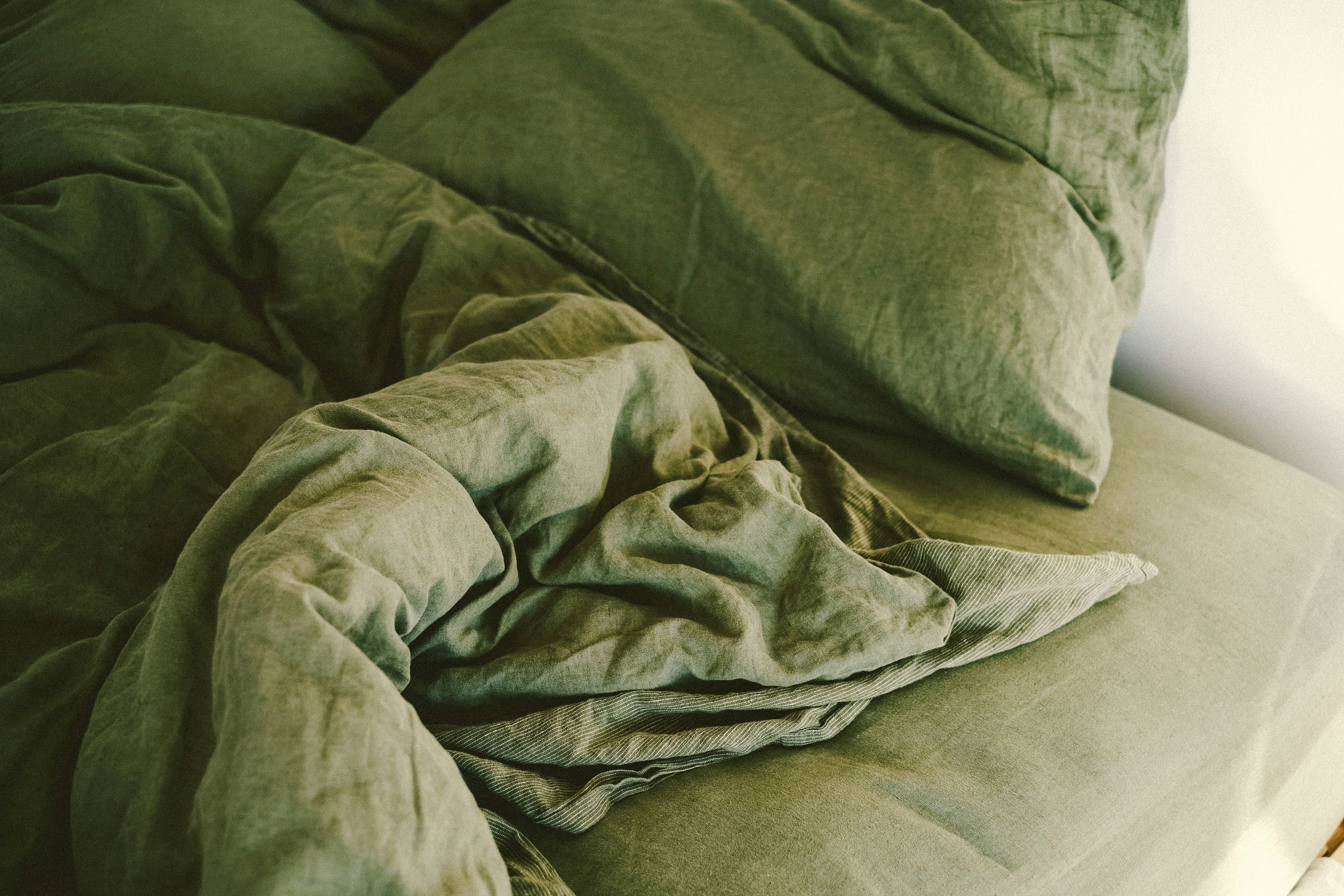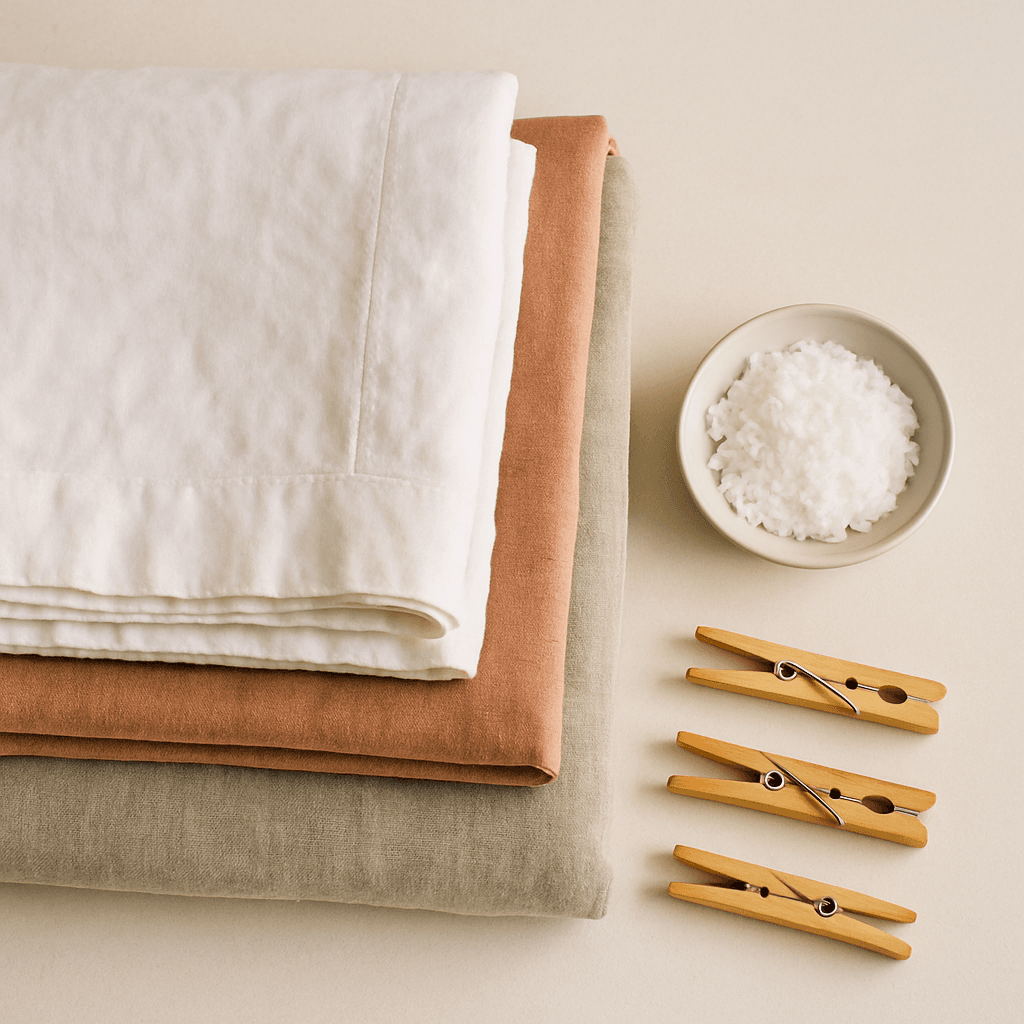

Washing your bedding regularly is the key to a hygienic, comfortable night's sleep. Many people wonder what temperature to wash bedding at so it stays clean, fresh, and durable for a long time. The right washing temperature not only removes bacteria and dust mites, but also helps preserve the quality of the fabric.
Too high a temperature can cause colors to fade and damage delicate fabrics, while washing at too low a temperature may not be effective enough at eliminating germs. That's why it's worth adjusting the temperature to the type of bedding, to ensure a healthy and hygienic sleep.
In this article, we'll show you which washing temperature works best for different types of bedding, how to care for materials like cotton, satin, and linen, and which mistakes to avoid when washing. You'll also learn how to choose the right detergents and washing machine programs to take proper care of your bedding.
Is washing bedding at 30°C enough? Or is 60°C better for hygiene? Check out our guide and find out everything you need to know!
Optimal washing temperature
What temperature should you wash bedding at, depending on the fabric?
Cotton
Satin and silk bedding
Linen bedding
Anti-allergy bedding
Practical tips for washing bedding
How to properly sort bedding before washing?
Which detergents should you use for washing bedding?
Is it worth using eco programs on the washing machine?
The most common bedding-washing mistakes
Summary
💡 FAQ
What temperature should you wash bedding at? The optimal temperature
Basic rules
The right washing temperature for bedding is crucial for both its durability and sleep hygiene. General manufacturer recommendations indicate that the standard washing temperature for bedding is 40-60°C. This is the optimal range, removing dirt, sweat, and dust mites without damaging the fabric's structure.
However, actual needs can vary from person to person. Bedding used by allergy sufferers, young children, or people who are ill should be washed at a higher temperature to effectively get rid of bacteria and allergens. Delicate fabrics, such as satin or silk, on the other hand, require lower temperatures to stay soft and undamaged.
Here are the most common recommendations:
✅ Cotton and linen – 60°C (for full hygiene), though you can wash at 40°C for longer durability.
✅ Satin and silk – 30-40°C, to avoid damaging the fibers.
✅ Anti-allergy bedding – 60°C or higher, to effectively destroy dust mites.
✅ Baby bedding – 60°C, or even 90°C for heavily soiled items.
How does washing temperature affect the elimination of bacteria and dust mites?
The wrong washing temperature can mean your bedding isn't fully hygienic. At what temperature do germs and dust mites actually die?
🔹 30-40°C – removes surface dirt, but doesn't kill most bacteria and dust mites.🔹 60°C – effectively eliminates house dust mites, mold, and most bacteria.🔹 90°C – maximum hygiene, recommended for washing hospital bedding, baby bedding, and bedding used by allergy sufferers.
Is washing at low temperatures enough?
Not always. Washing at 30°C or 40°C can be fine for delicate fabrics, but it won't guarantee full elimination of bacteria. If you choose a low temperature, it's worth using antibacterial detergents or adding disinfecting liquids to improve the effectiveness of the wash.
Matching the washing temperature to the type of bedding and your needs will help keep it fresh, hygienic, and durable for a long time.
What temperature should you wash bedding at, depending on the fabric?
Choosing the right washing temperature for your bedding depends not only on hygiene, but also on the material it's made of. Some fabrics need gentle treatment, while others can be washed at higher temperatures without risk of damage. Here's how to choose the optimal washing settings for different types of bedding.
Cotton – the most popular bedding fabric
Cotton is the most commonly chosen material for bedding thanks to its durability, breathability, and comfort. It's also relatively easy to care for, and its fibers hold up well to regular washing.
🔹 Standard recommendations: Cotton bedding is recommended to be washed at 40-60°C. At 40°C you'll effectively remove dirt while keeping the fabric soft, while 60°C ensures bacteria and dust mites are eliminated, which is especially important for allergy sufferers.
🔹 How often should you wash it to maintain hygiene? Experts recommend washing bedding every 7-14 days, though in summer, when the body sweats more, it's worth doing it more often. If you have a cold or allergies, washing weekly is the minimum.
Satin and silk bedding – gentle care
Satin and silk are luxurious materials that require special care. They not only give the bedroom an elegant look, but are also pleasant to the touch and breathable.
🔹 Can you wash them at high temperatures? No. Satin and silk are very delicate, and their fibers can be damaged by washing at a high temperature. The optimal setting is 30-40°C on a delicate wash program.
🔹 How to avoid damaging the fabric?
Use gentle detergents, ideally ones designed for silk.
Choose programs with a low spin speed.
Don't tumble dry – it's best to dry flat, avoiding direct sunlight.
Regular washing at the right temperature will help keep your bedding's shine and softness for longer.
Linen bedding – natural but demanding
Linen is an eco-friendly, durable material that's growing in popularity thanks to its temperature-regulating properties. It's breathable and absorbent, and its look is becoming more and more fashionable.
🔹 Does linen need a higher washing temperature? Yes, but not always. The standard washing temperature is 40-60°C, but if the bedding is heavily soiled, you can wash it at up to 70°C.
🔹 How to care for linen bedding to preserve its properties?
Wash with mild detergents, without bleach.
Don't use fabric softener – linen naturally becomes softer after a few washes.
Dry naturally, ideally on a line – avoiding the tumble dryer helps preserve the fibers' durability.
Well cared-for linen bedding will last for years, gaining even better properties over time.
Anti-allergy bedding – which temperatures are safest?
Anti-allergy bedding is designed to minimize the risk of allergens such as house dust mites. That's why washing it should be especially thorough.
🔹 What temperature should you wash bedding at for allergy sufferers?
To effectively remove dust mites and allergens, it's recommended to wash at 60°C or higher. In extreme cases, such as periods of severe allergy symptoms, you can wash at 90°C, if the manufacturer allows it.
🔹 Is washing at a high temperature necessary?
Not always. If you're worried about damaging the fabric, you can wash at 40-50°C, but add anti-allergy laundry products that eliminate dust mites even at lower temperatures.
Washing anti-allergy bedding regularly, every 7 days, is key to ensuring healthy sleeping conditions for allergy sufferers and people with sensitive skin.
Practical tips for washing bedding
Proper bedding care isn't just about choosing the right temperature. To ensure long-lasting durability, keep colors vibrant, and avoid damage, it's worth following a few practical rules.
How to properly sort bedding before washing?
Sorting bedding before washing is a key step that helps you avoid discoloration and fabric damage.
🔹 Colors and materials – how to avoid discoloration and damage to fabrics?
Wash white bedding separately – contact with colored fabrics can cause it to turn gray.
Wash dark and colored fabrics separately to avoid losing color intensity.
Cotton, linen, and anti-allergy bedding can be washed together, but satin and silk need a separate wash on a delicate cycle.
🔹 Can you wash bedding together with other textiles? This isn't recommended. Bedding should be washed separately, because:
✅ It needs a different temperature than clothes or towels.
✅ It can collect dust and bacteria that can transfer to other fabrics.
✅ Other fabrics, like towels or clothes, can cause bedding to pill.
That said, if you want to wash bedding together with other textiles, choose materials with a similar weight and color to avoid damage and color transfer.
Which detergents should you use for washing bedding?
Choosing the right laundry detergent matters a great deal for maintaining the quality of your bedding.
🔹 Gentle products vs. strong detergents – which to choose?
For standard cotton and linen – mild powders or gels work best, effectively removing dirt without weakening the fibers.
Bedding for allergy sufferers and children – it's worth choosing hypoallergenic detergents free of artificial fragrances and dyes, which won't irritate the skin.
Silk and satin – need special products for delicate fabrics that don't contain fiber-damaging enzymes.
🔹 Are fabric softeners a good solution?
Not always. Fabric softeners can improve the softness of fabrics, but when it comes to bedding:
❌ They can create a coating that reduces the fabric's absorbency and breathability.
❌ They can cause skin irritation, especially for allergy sufferers.
An alternative is adding vinegar to the wash (50-100 ml per load), which softens fabrics, neutralizes odors, and has antibacterial properties.
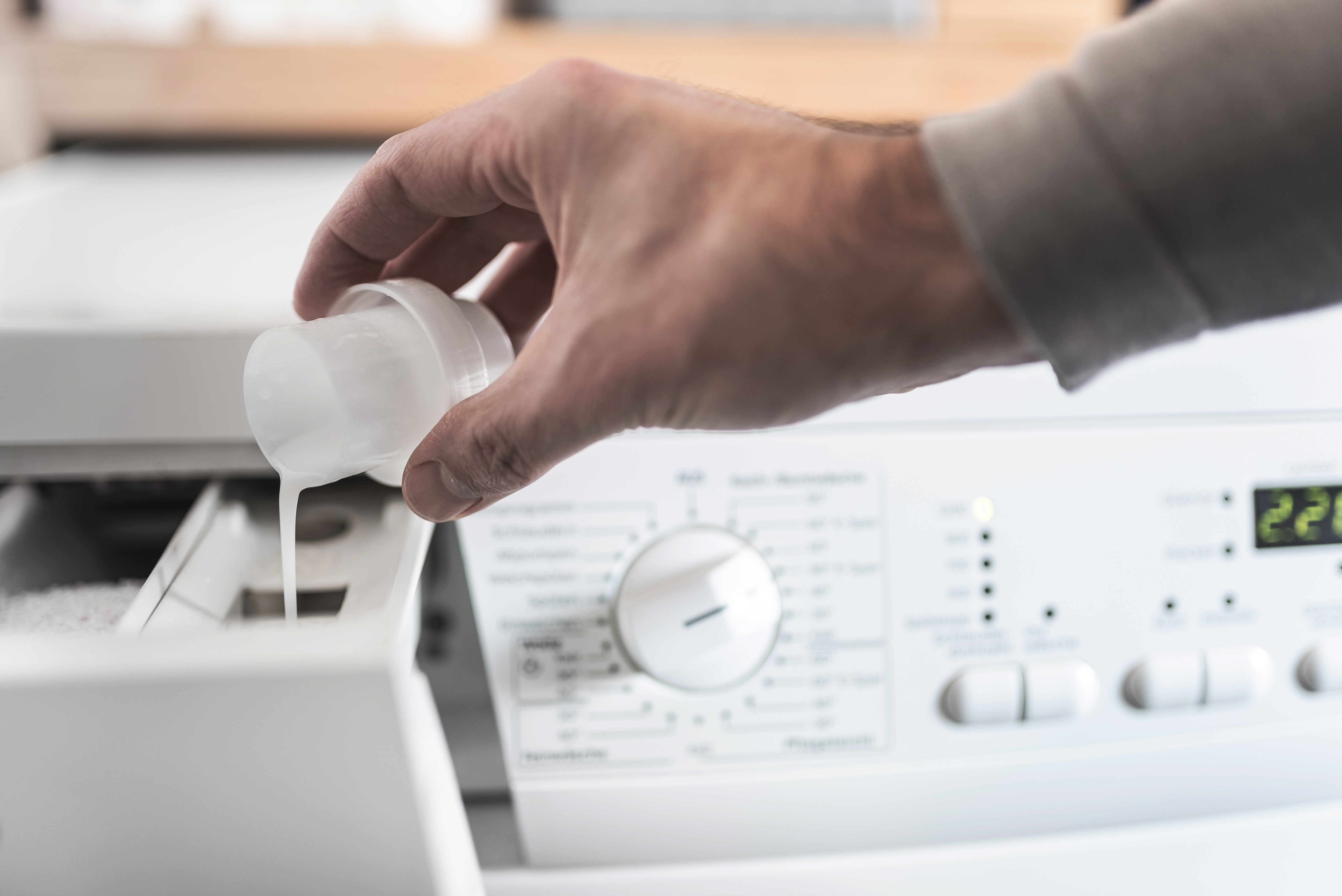
Is it worth using eco programs on the washing machine?
Modern washing machines offer eco programs, which let you save water and energy.
🔹 Benefits of washing at a lower temperature:
✅ Lower energy use – washing at 30-40°C uses 30-50% less electricity than washing at 60°C.
✅ Fabric protection – more delicate materials don't get damaged.
✅ Reduced detergent use – a lower temperature requires less detergent.
🔹 How to save energy and protect the environment without sacrificing hygiene?
Choose 40°C washes instead of 60°C, if the bedding isn't heavily soiled.
Use a full drum load – this reduces the number of wash cycles per month.
Use eco-friendly detergents and avoid excessive amounts of powder – this helps reduce the amount of chemicals entering groundwater.
The most common bedding-washing mistakes
Washing bedding might seem like a simple task, but many people unknowingly make mistakes that can shorten its lifespan, weaken the fabric's structure, or affect sleep hygiene. Here are the most common mistakes worth avoiding.
Washing at too high a temperature and its effects
One of the most common mistakes is washing bedding at too high a temperature, mistakenly believed to be the best way to disinfect it.
🔹 Negative effects of washing at a high temperature:
Fiber damage – especially for delicate fabrics like satin, silk, or linen.
Color fading – frequent washing at 60°C or higher can make bedding lose its color intensity faster.
Fabric shrinkage – some natural fabrics, like cotton and linen, can shrink after washing at 90°C.
How to avoid this mistake?
Match the temperature to the type of fabric (e.g. cotton 40-60°C, satin and silk 30-40°C).
If you need to wash bedding at a high temperature, for example for allergy reasons, check the manufacturer's care label.
Alternatively, use antibacterial detergents, which eliminate dust mites and bacteria even at lower temperatures.
Insufficient drying – how to avoid moisture and mold?
Another common mistake is improperly drying bedding, which can lead to moisture being trapped in the fabric and mold developing.
🔹 What are the effects of insufficient drying?
Unpleasant odor – damp bedding can give off a musty smell.
Growth of bacteria and mold – incompletely dried fabric is an ideal environment for germs.
Shorter bedding lifespan – moisture can weaken the fabric's fibers.
How to dry bedding properly?
✔ If drying outside, choose airy spots with access to sunlight, which acts as a natural antibacterial.
✔ In the tumble dryer, set a low temperature, to avoid shrinking the fabric.
✔ Never fold bedding while it's still damp – wait until it's completely dry.

Does frequent washing damage bedding?
There's a common belief that washing bedding frequently can wear it out faster. Is that true?
🔹 Frequent washing and fabric durability
Every material wears out over time, but washing itself doesn't damage bedding, as long as you follow the rules on temperature and detergents.
The main problem is improper care, such as using detergents that are too harsh, temperatures that are too high, or aggressive spinning.
🔹 How often should you wash bedding to maintain hygiene and durability?
✅ Standard bedding – every 7-14 days, more often in summer.
✅ Bedding for allergy sufferers and children – every 7 days, to effectively remove dust mites and bacteria.
✅ Bedding used during illness – ideally wash every 3-4 days at a minimum of 60°C.
✔ If you want to extend the lifespan of your bedding, avoid frequent use of fabric softener, use programs for delicate fabrics, and don't overload the washing machine, so the bedding can rinse properly.
Summary
Proper bedding washing is the key to healthy sleep and long-lasting fabrics. The temperature you choose should depend on the type of material and the level of soiling. Cotton bedding can be washed at 40-60°C, satin and silk bedding at 30-40°C, and anti-allergy bedding at up to 60-90°C, to effectively get rid of bacteria and dust mites.
Washing bedding regularly, every 7-14 days, prevents the buildup of dust, sweat, and germs. In summer or if you have allergies, it's worth increasing how often you wash. You should also remember to dry it properly, to avoid moisture and mold.
Why is it worth taking proper care when washing bedding?
✔ It improves sleep hygiene and rest comfort.
✔ It eliminates dust mites, bacteria, and allergens.
✔ It extends the durability of fabrics, keeping them soft and colorful.
If you'd like to learn more about textile care, check out our other guides on the blog. There you'll find practical tips on choosing bedding, caring for it, and storing it. Take care of your bedroom and sleep well! 😊

💡 FAQ – frequently asked questions about washing bedding
Can I wash bedding at 30 degrees?
Yes, but only for delicate fabrics such as satin, silk, or microfiber. At 30°C you'll remove light dirt, but you won't get rid of bacteria and dust mites. For better hygiene, it's worth using antibacterial products or occasionally washing bedding at a higher temperature.
What temperature should you wash baby bedding at?
Baby bedding should be washed at a minimum of 60°C to effectively remove germs and allergens. For heavily soiled items, you can wash at 90°C, if the manufacturer allows it. It's worth using gentle, hypoallergenic detergents, so they don't irritate the baby's skin.
Does a higher washing temperature shorten bedding's lifespan?
Yes, frequent washing at temperatures above 60°C can weaken the fabric's fibers, cause shrinkage, and fade colors. If you care about your bedding's longevity, use temperatures in line with the manufacturer's recommendations and avoid harsh detergents.
Can I wash bedding together with towels?
This isn't recommended. Towels are thicker and require a more intensive wash, which can damage the more delicate fibers of bedding. They can also leave lint on fabrics, which makes bedding pill faster.
How often should I wash my bedding?
The standard recommendation is every 7-14 days. In summer, or in case of allergies or illness, it's worth increasing the frequency to once a week or more.
With these tips, your bedding will stay fresh, hygienic, and comfortable for a long time!