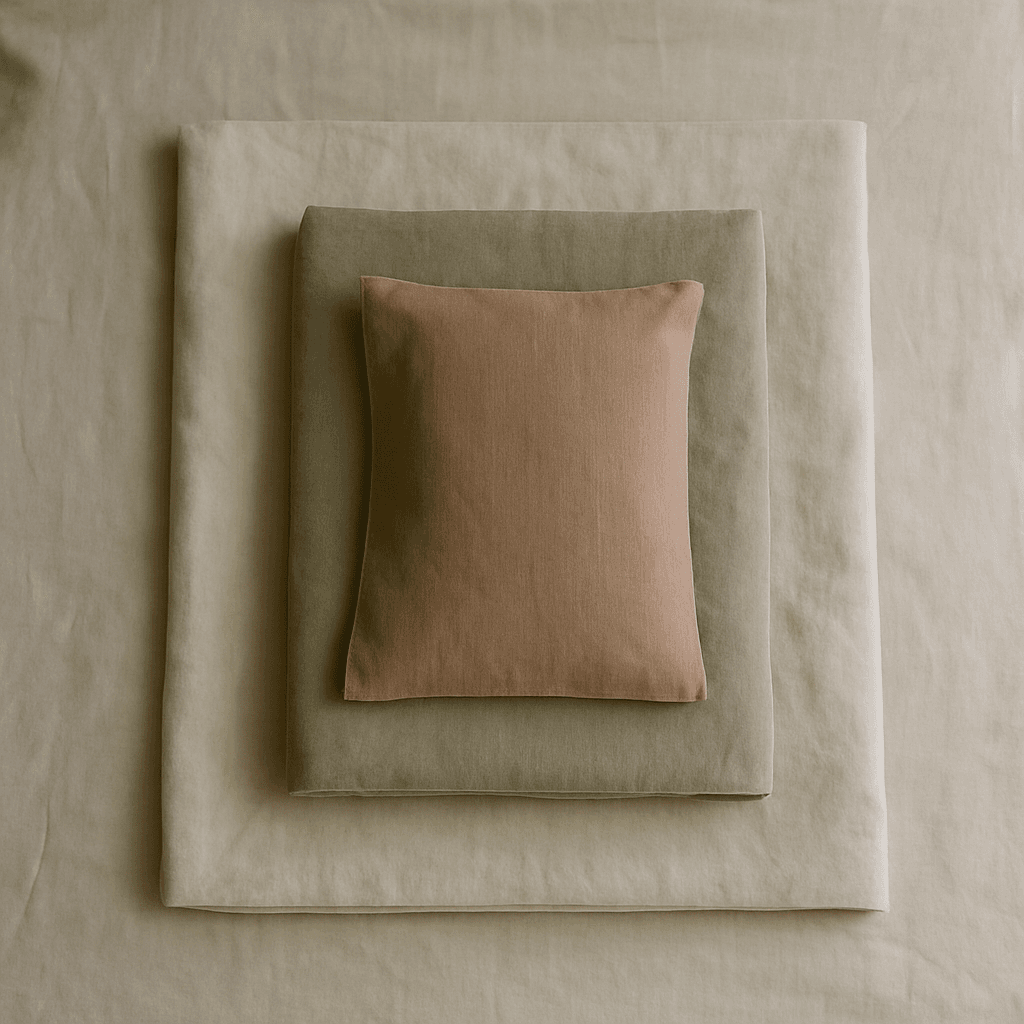


Caring for your bedding isn't just about looks — it's about health too. Clean bedding affects the quality of your sleep and your overall wellbeing. In this article, you'll learn how to properly care for your bedding, what benefits proper care brings, and how to use covers for storage.
Guide:
Why is it worth taking care of your bedding? How often should you wash your bedding? What is a bedding cover? Benefits of bedding covers How to care for a bedding cover? Storing bedding – how to do it? Cleaning and care of pillows and duvets Frequently Asked Questions (FAQ) Summary |

1. Why is it worth taking care of your bedding?
Regularly caring for your bedding is key to your health. Bedding accumulates dust, dust mites and other allergens that can negatively affect sleep quality and trigger allergic reactions. Keeping your bedding clean improves sleep comfort and reduces the risk of infections and skin problems. That's why it's so important for your bedding to stay fresh and clean.
2. How often should you wash your bedding?
The general rule is to wash your bedding once a week. This also applies to pillows and pillowcases. For allergy sufferers or people with health issues, even more frequent washing is recommended to minimize the amount of allergens in the bedroom. Use hypoallergenic detergents that won't irritate the skin and are environmentally friendly.
3. What is a bedding cover?
A bedding cover is a specially designed fabric intended to protect bedding from dust, dirt and other contaminants. These covers come in various forms – from pillow and duvet covers to larger storage bags.
Benefits of bedding covers
Protection from allergens: Covers act as a barrier that limits the access of allergens, such as dust and dust mites, to the materials you sleep in. Regularly washing the cover at a high temperature eliminates most microorganisms, significantly improving sleep quality.
Easier bedding storage: Storage covers, such as duvet bags or under-bed covers, are extremely practical. They let you organize your bedroom space, keeping your bedding neatly stored while saving room.
Protection from damage: A bedding cover protects against mechanical damage, which is especially important for delicate fabrics. It also protects against creasing, tearing or staining during transport and storage.
Comfort and style: Covers come in a variety of colors and patterns, letting you match them to your interior décor. Convenient closures, such as zippers or hook-and-loop fasteners, make covers easy to use.

4. How to care for a bedding cover?
A bedding cover should be washed regularly according to the manufacturer's instructions. Most covers can be machine washed at a suitable temperature, usually up to 60°C, which effectively removes dust mites. Avoid using harsh chemicals that could damage the fabric.
5. Storing bedding – how to do it?
Proper bedding storage is key to preserving its freshness and quality. Here are a few practical tips:
Bedding storage covers: Invest in covers that will protect your bedding from dust and moisture. A good-quality under-bed cover or duvet storage bag is a great solution that minimizes the space taken up.
How to store bedding: It's best to store bedding in a cool, dry place to prevent mold and mildew from developing. Avoid places exposed to sunlight, which can cause colors to fade. It's also worth using scented sachets or lavender pouches, which will keep your bedding smelling fresh.

6. Cleaning and care of pillows and duvets
Just like bedding covers, pillows and duvets also need regular care. Most of them can be machine washed, but you should always check the care label for the manufacturer's instructions. Down pillows should be aired out regularly outdoors to get rid of unpleasant odors and keep them fluffy.
7. Frequently Asked Questions (FAQ)
What are the most common mistakes in bedding care? The most common mistakes are washing too rarely, improper storage, and using overly harsh detergents. Washing your bedding weekly and maintaining proper hygiene will help keep it in good condition.
What are the best fabrics for bedding? Cotton, linen and sateen are the best materials for bedding. Cotton is natural, breathable and easy to care for. Linen is durable, resistant to mold and excellent for people with allergies. Sateen, in turn, is soft and hypoallergenic.
How should you properly wash bedding? Bedding should be washed at a high temperature, usually up to 60°C, to effectively kill dust mites and bacteria. Use gentle, preferably hypoallergenic, detergents. It's also worth avoiding overloading the washing machine so the bedding has enough room to move freely during the wash.

How do you store bedding to keep it fresh? It's best to store bedding in a cool, dry place. Use storage covers to protect your bedding from dust and moisture. Avoid places exposed to sunlight, which can cause colors to fade.
How often should bedding be changed? The general rule is that bedding should be changed weekly, and it's also worth washing it after more serious infections or illnesses to avoid spreading bacteria and viruses.
Are bedding covers really necessary? Yes, bedding covers serve many important functions. They protect bedding from dust, dirt and dust mites, which is especially important for people suffering from allergies. They also help with storing bedding, saving space and making it easier to stay organized in the bedroom.
How do you care for bedding covers? Covers should be washed regularly, at least once a month. Check the manufacturer's washing instructions, as some covers may require different care. Wash them at a high temperature to effectively eliminate dust mites.
What should you do if your bedding has an unpleasant smell? If your bedding smells unpleasant, try washing it at a high temperature with baking soda added, which neutralizes odors. You can also try airing the bedding outdoors. It's also worth using scented sachets or essential oils in the closet to give it a pleasant scent.
How do you store seasonal bedding? Seasonal bedding, such as summer or winter duvets, is best stored in sealed covers. Use a duvet bag or cover that prevents dust and moisture from getting in. Store it in a dry, cool place, ideally in a closet.
8. Summary
Caring for your bedding, including bedding covers and duvet bags, is a key element in ensuring healthy sleep. Regular washing, proper storage, and the use of high-quality materials all contribute to better sleep quality and overall wellbeing. Thanks to these simple steps, your bedding will stay not only clean but fresh for a long time. It's worth putting in the effort to care for your bedroom treasures so you can enjoy peaceful sleep every night.
Looking for new bedding for your bedroom, guest room or teen's room? |