
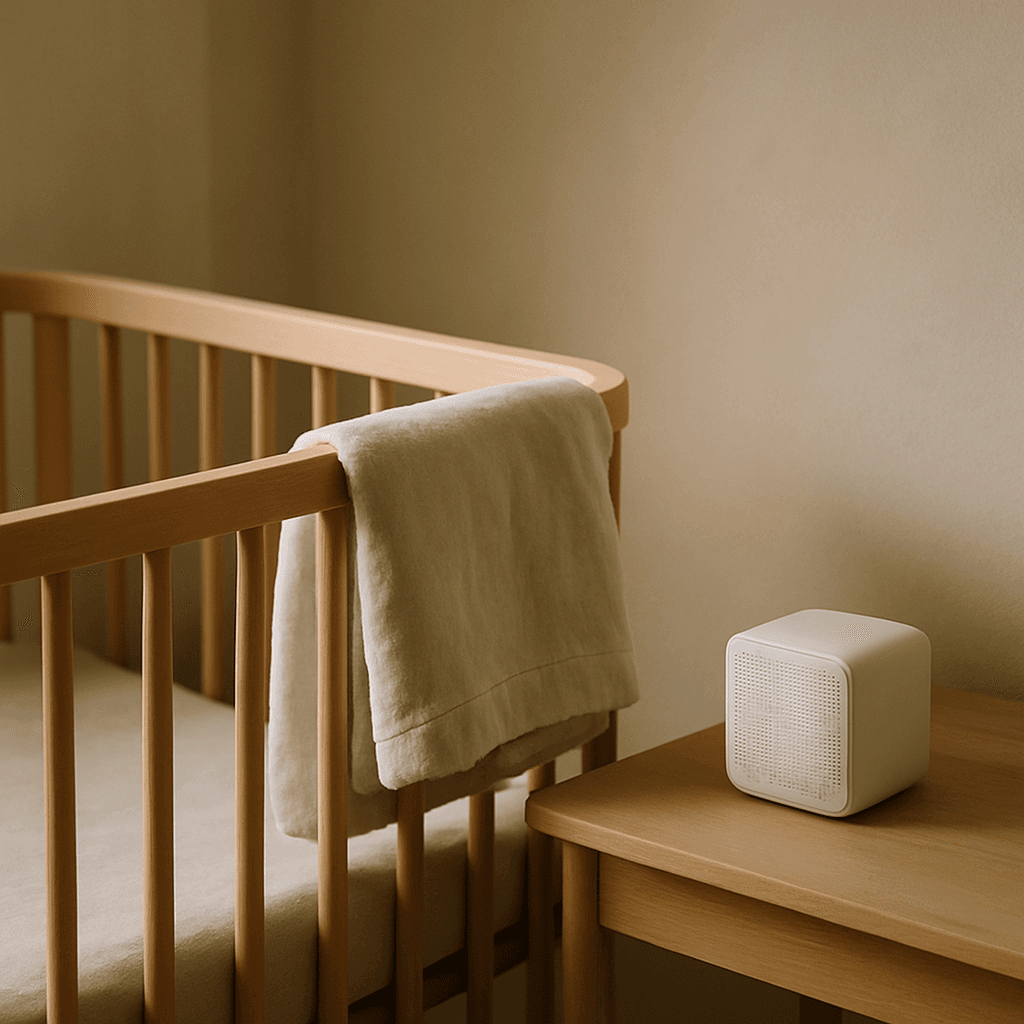
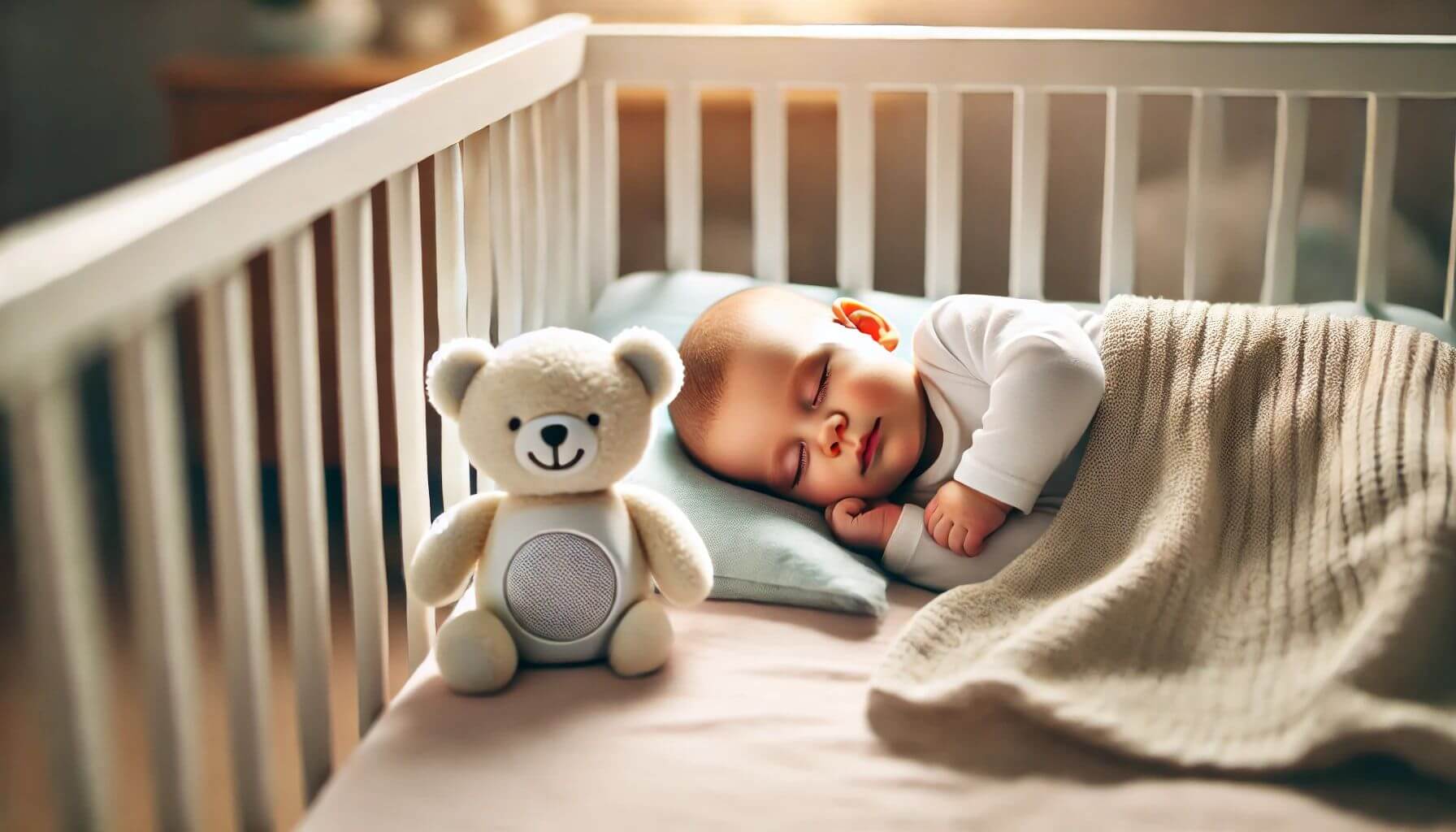
White noise for babies is a steady, quiet sound that spans a wide range of frequencies, creating a soft, monotonous sound backdrop. For years it has been growing in popularity as a tool for helping infants sleep and easing their anxiety. These sounds remind babies of the environment they knew before birth, giving them a sense of security. Still, it's worth taking a closer look at both the benefits and the potential risks of using white noise.
Guide
Types of noise: not just white Everyday uses of white noise How does white noise affect a child? Benefits of white noise for children Drawbacks of using white noise Can white noise for children be harmful to adults? Guidelines for using white noise How long can you use white noise? Summary |
Types of Noise: Not Just White
White noise is just one of many types of sound used for relaxation. In fact, there are several kinds of noise, each with its own characteristics and specific uses:
White noise for children covers a wide range of sounds at equal intensity across different frequencies. It resembles the static hiss of a radio or TV.
Pink noise features stronger, lower-frequency sounds, making it feel less “sharp” and more like the natural sound of rain or a waterfall.
Brown noise consists mainly of low frequencies, giving it a deep, bass-heavy sound reminiscent of a storm or ocean waves.
Blue and violet noise have higher frequencies and are less commonly used to help children fall asleep, though they're sometimes used to mask background noise in specific situations.
Everyday Uses of White Noise
White noise has wide-ranging uses for both children and adults. It helps with falling asleep and relaxing by masking other ambient sounds that could disturb restful sleep. Because it creates a uniform sound backdrop, it's especially useful for covering noise in open-plan offices, workplaces, or homes, making it easier to concentrate. Its steady quality also helps reduce stress, offering a moment of calm and relaxation amid the daily hustle.
White noise is also used in tinnitus therapy, masking the unpleasant ringing in the ears and helping people with this condition function more comfortably. Thanks to its steady, unchanging tone, it can also support concentration by blocking out other auditory stimuli, which helps during mental work or studying.
How Does White Noise Affect a Child?
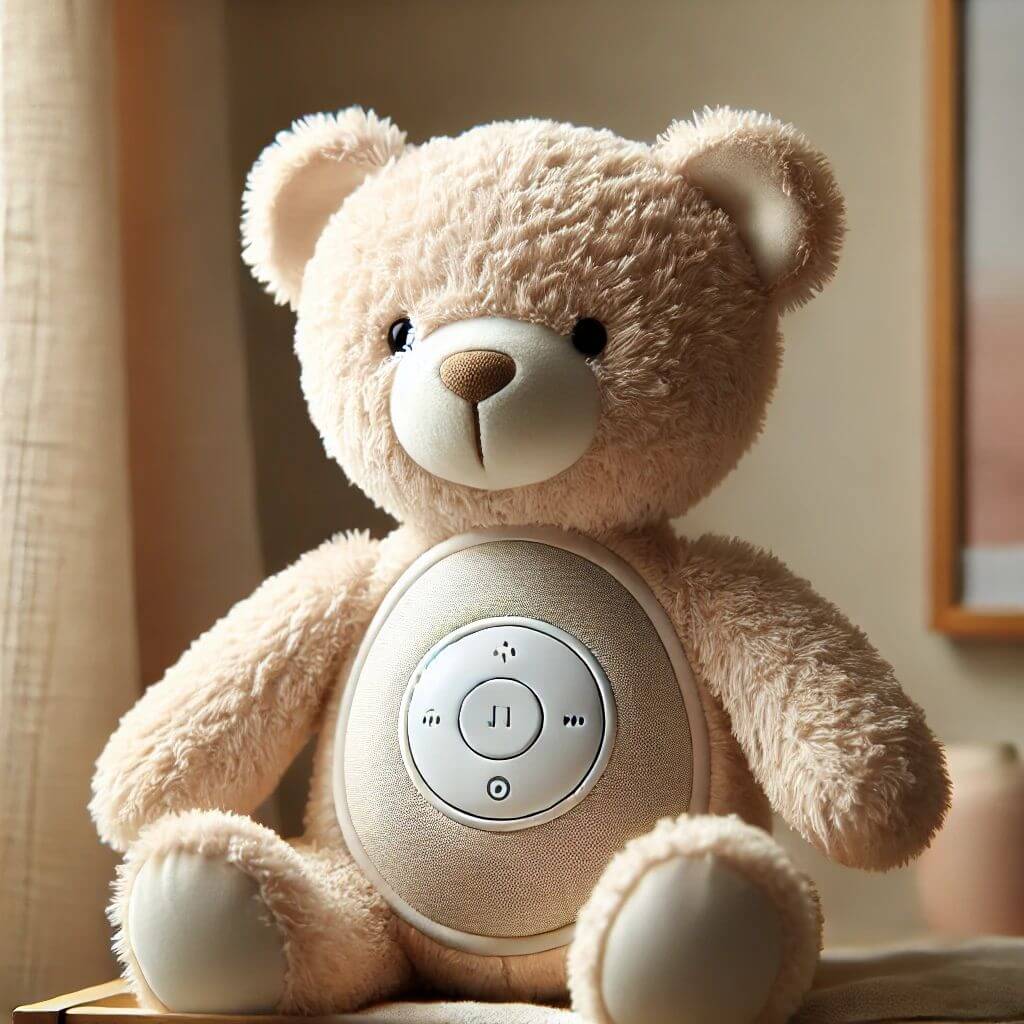
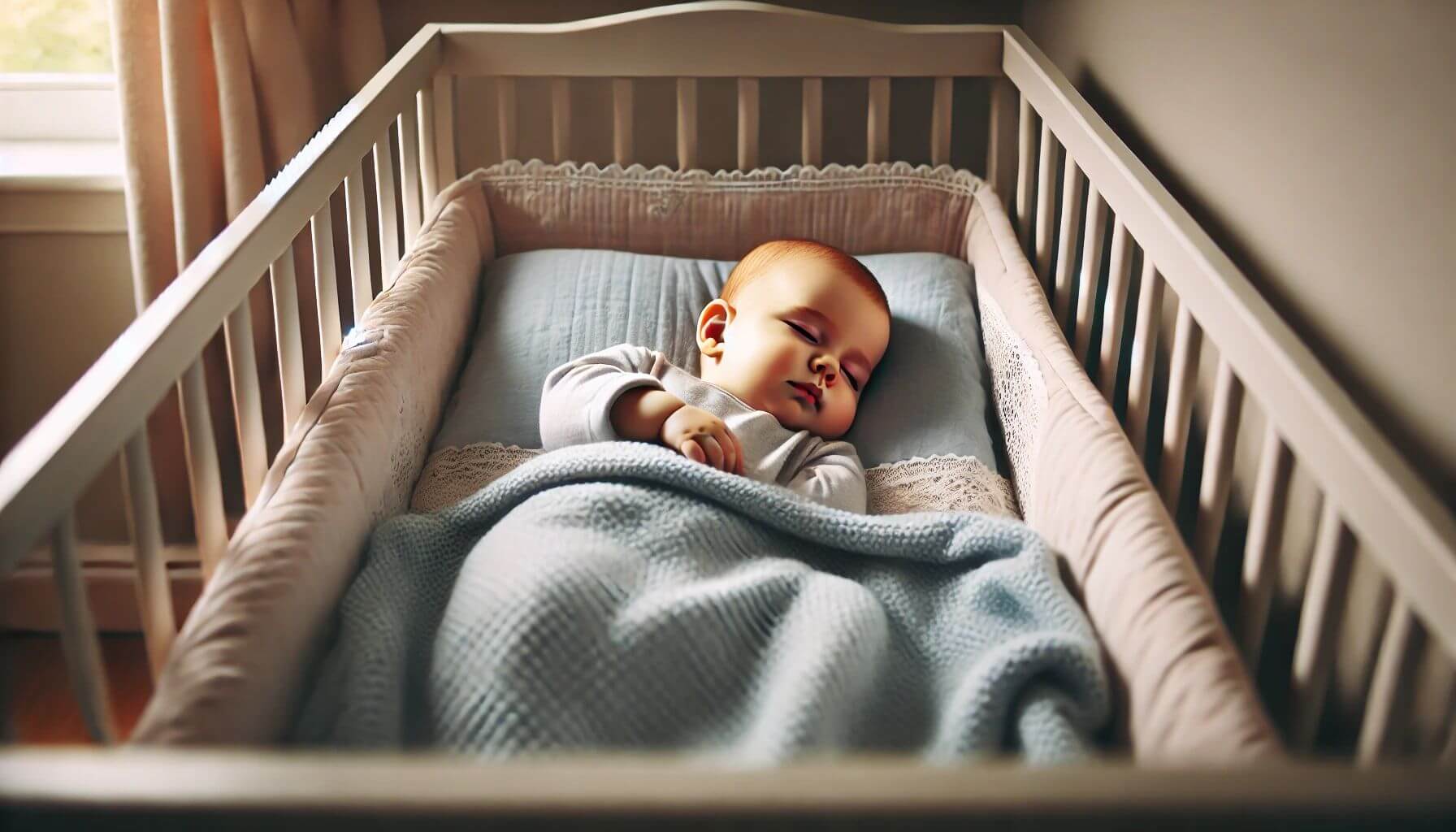
For newborns, who spent nine months in the womb, an environment filled with the sounds of a heartbeat, blood flow, and muffled outside noises feels completely natural. White noise mimics these sounds, giving the baby a sense of comfort by recalling that safe, prenatal environment. As a result, babies often experience a “calming effect” — the steady sound helps them settle down, fall asleep, and feel less anxious.
Benefits of Using White Noise for Children
White noise offers many benefits. For many parents, it's an effective way to calm a child quickly. Its monotonous sound echoes the prenatal environment, helping infants transition from activity to rest and making it easier for them to fall asleep. White noise also effectively masks ambient noise that could disturb a child's sleep, which makes it especially helpful in environments where absolute silence is hard to achieve.
White noise can also help reduce crying and fussiness. Studies suggest that steady sounds may lower cortisol, the stress hormone, resulting in calmer babies — especially those dealing with colic or digestive discomfort. What's more, when used as part of a bedtime routine, white noise helps children build consistent sleep habits, since little ones start to associate the sound with sleep.
Drawbacks of Using White Noise
While white noise offers plenty of benefits for children, using it long-term does come with some downsides. One issue is that a child can become dependent on this kind of sound, which can make falling asleep difficult whenever white noise isn't available. This can be especially inconvenient while traveling or staying away from home.
Another risk is potential hearing damage, especially if the sound is played too loudly. Children have sensitive hearing, and volume levels above 50 decibels — roughly the level of a quiet conversation — can be harmful to them. Regularly exceeding this threshold may negatively affect a child's hearing development.
Overusing white noise may also affect the development of auditory perception. Babies naturally learn to distinguish sounds in their environment, and constantly playing a uniform noise can limit their access to the acoustic stimuli needed for that development. It can also disrupt the day-night rhythm if used around the clock, leaving the child unable to tell day from night.
Can White Noise for Children Be Harmful to Adults?
Long-term use of white noise can also be harmful to adults, particularly if it becomes the only way they can fall asleep. Regular use can lead to dependence, causing trouble sleeping whenever white noise isn't available. High volume levels — especially above 50–60 decibels — can harm adult hearing just as they can a child's.
Some researchers also point out that long-term white noise use may affect mental health, especially once the body grows accustomed to this artificial backdrop. In that case, an adult may struggle to relax without accompanying sound. During sleep, white noise can also affect sleep quality, particularly REM sleep, which is crucial for mental recovery.
Guidelines for Using White Noise
To avoid health issues, white noise should be used according to a few key rules. Volume shouldn't exceed 50 decibels so it doesn't harm hearing. It's best to use white noise only when it's genuinely needed — for instance, at bedtime or during tasks that require deep concentration. Regular breaks from the sound are also recommended so the body doesn't become dependent on it.
In particularly quiet spaces, white noise may be less necessary, so its use should be adjusted to the surroundings. Ultimately, it's best to avoid running white noise all night long — a few hours are usually enough to ensure restful sleep.
How Long Can You Use White Noise?
Occasional use of white noise is the best approach. For children, it should be used in moderation — no more than a few hours at a time — without extending beyond normal sleep hours. Adults can use it more regularly, for example at work or before bed, but should also take breaks to avoid becoming dependent on it. Long-term use spanning months or years should be approached thoughtfully to avoid potential health issues.
Summary
White noise for children is a useful tool for aiding sleep and easing anxiety, but it should be used in moderation. Its benefits — such as masking noise and making it easier to fall asleep — are significant, but the risks are worth keeping in mind too, including the possibility of dependence and a negative impact on hearing development. Care and moderation in using white noise will help ensure safe, comfortable rest for both children and adults.