


The clock change, though a fixture of our calendar for years, still stirs up plenty of emotions and questions. Twice a year we switch our clocks — from winter time to summer time and back again. What are the historical roots of this practice, when exactly does the switch happen, and what might the future hold when it comes to scrapping it altogether? In this article we’ll look at both the exact 2024 clock-change dates and where the custom came from, considering whether it’s here to stay or might soon become a thing of the past.
Guide:
When is the switch to winter time in 2024?
Winter time change in 2024: do we set the clocks back today?
Winter and summer time changes — who first came up with the idea?
Switching to summer time — is the date always the same?
Forward or back? How do we set the clocks for winter time?
When will clock changes end? Is 2024 the last year of switching?
When is the next switch to summer time?

When is the switch to winter time in 2024?
The switch to winter time is a topic that comes back every autumn. In 2024, we’ll set our clocks to winter time during the night of Saturday, October 26 into Sunday, October 27. At 3:00 a.m. we’ll turn the clocks back one hour, to 2:00 a.m. That means an extra hour of sleep — always welcome!
Winter time change in 2024: do we set the clocks back today?
If you’re wondering whether the clocks change today, check the calendar! In 2024, the switch to winter time falls on October 27, traditionally the last Sunday of October. It’s worth marking the date so you’re ready to set your clocks back.
Winter and summer time changes — who first came up with the idea?
Although clock changes might feel like a modern invention, the idea actually dates back to the 18th century. The first proposal is credited to Benjamin Franklin, who suggested it as a way to save candles. It wasn’t formally introduced, though, until World War I in 1916, as a way to make better use of daylight and save energy.
Switching to summer time — is the date always the same?
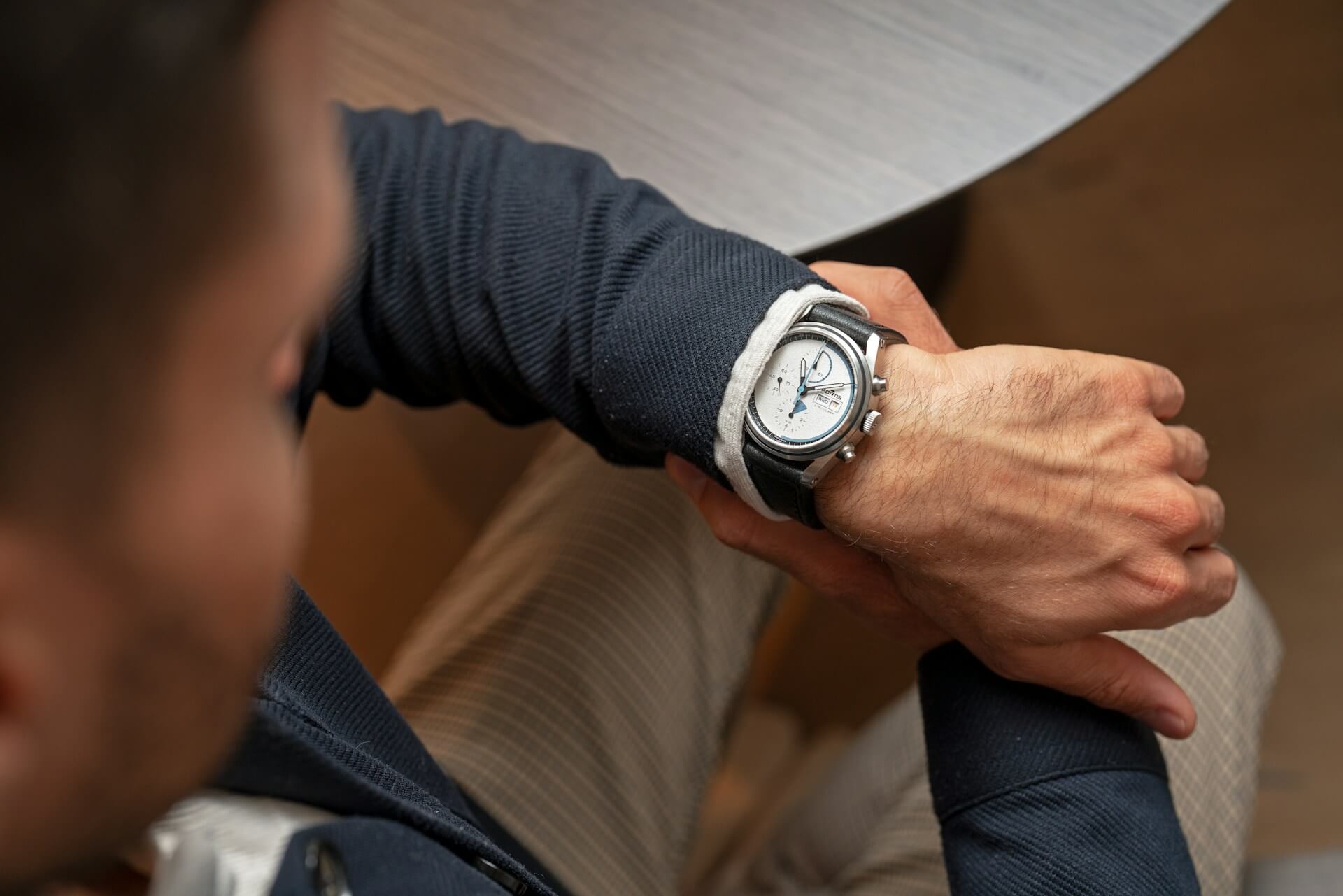
The switch to summer time doesn’t fall on the same date as the winter one. In Poland, clocks move to summer time on the last Sunday of March — March 31 in 2024. At 2:00 a.m. the hands moved forward an hour, to 3:00 a.m., which meant losing an hour of sleep, but gaining longer evenings in return.
Forward or back? How do we set the clocks for winter time?
When switching to winter time, we always turn the clocks back an hour — from 3:00 a.m. to 2:00 a.m. An easy way to remember it: „in autumn, clocks fall back; in spring, they spring forward”. Winter time is considered more natural for our bodies, since it lines up better with the sun’s daylight cycle.
When will clock changes end? Is 2024 the last year of switching?
In recent years, there’s been plenty of debate about scrapping clock changes altogether, especially at the European Union level.
The system was originally introduced to save energy and bring people’s daily lives closer to their natural biological rhythm. But the European Commission, which in 2018 proposed abolishing the practice of switching between summer and winter time, concluded that the energy savings are minimal and that the switches actually have a negative effect on people’s health.
Unfortunately, the COVID-19 pandemic slowed further progress, putting work on a final decision on hold.
Will 2024 be the last year of clock changes in Poland? For now there’s no final decision, so the existing rules still apply.
It’s worth noting, though, that the current regulation from Poland’s Prime Minister sets the clock-change period through 2026. That means we’ll be changing our clocks on the usual schedule at least until then.
When is the next switch to summer time?
After the switch to winter time on October 27, 2024, the next change is coming in spring 2025. During the night of March 29 into March 30, 2025, we’ll turn the clocks forward again — this time to summer time. As a reminder: clocks always change on the last Sunday of March and October.
Clock changes remain a topic that stirs up plenty of debate, but whether we’re for or against them, for now we all have to follow the current rules. Only time will tell whether the practice will eventually be abolished for good.