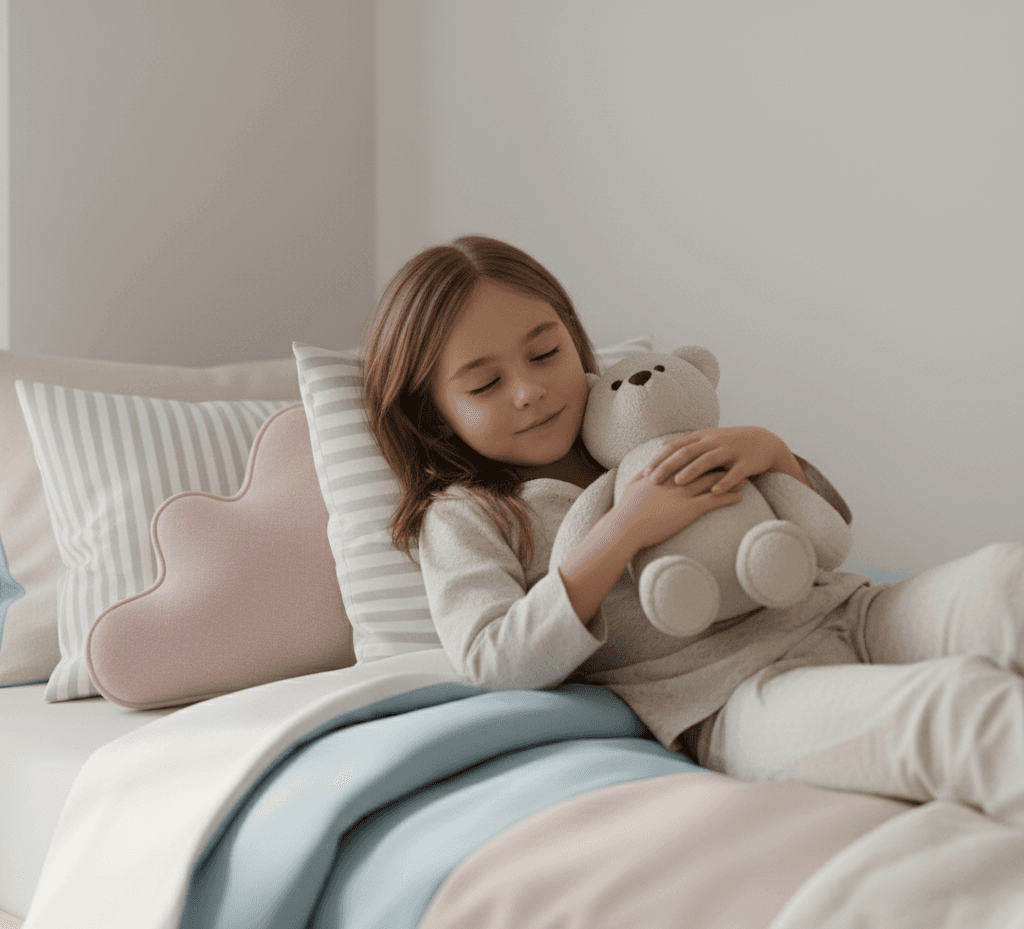


Choosing the right bedding for your baby is a key aspect of ensuring their health and safety. Baby skin is exceptionally sensitive and prone to allergies, which is why it's so important for bedding to be anti-allergenic and hypoallergenic. The materials the bedding is made from play the leading role here. Natural fibers such as cotton are often preferred for their breathability and wearing comfort. Microfiber and other synthetic materials, when properly certified, can also offer strong antibacterial protection.
When choosing bedding for your baby, it's worth checking for certifications and dermatological tests confirming the products' hypoallergenic properties. Regular washing and care are essential to preserve the bedding's protective qualities and ensure your child a comfortable night's sleep.

Blog Navigation:
Understanding allergic reactions in babies
Types of materials for baby bedding
Choosing anti-allergenic materials
How to minimize the risk of allergic reactions?
Comfort and protection for your baby
Summary
Understanding Allergic Reactions in Babies
Allergies can be especially troublesome for babies, whose delicate skin is prone to allergic reactions. Symptoms can include redness, rashes, itching, and breathing difficulties. That's why it's so important for baby bedding to be of properly selected quality and anti-allergenic.
Baby skin tends to dry out easily and is more sensitive to irritating chemicals, which is why the materials used to make bedding should be hypoallergenic. Natural fibers such as cotton are widely recommended for their softness, breathability, and ability to absorb moisture, helping keep your baby's skin dry and comfortable.
On the other hand, synthetic materials such as microfiber can also be hypoallergenic, provided they carry the appropriate certifications confirming their safety for the skin. It's therefore essential to check that the bedding has the right certifications and has passed the necessary dermatological tests confirming it's safe for babies' sensitive skin.
When choosing bedding for your baby, it's also worth keeping regular care and washing in mind. Using gentle detergents and the right washing temperature can help maintain the bedding's anti-allergenic properties and give your child peaceful sleep and healthy skin.
Understanding the specifics of allergies in babies and choosing the right bedding materials are key steps in minimizing the risk of allergic reactions and ensuring safety and comfort for your little one.

Types of Materials for Baby Bedding
Choosing the right materials for baby bedding is crucial for your child's health and comfort. Popular options include both natural and synthetic materials, each with its own advantages and usage recommendations.
Natural materials such as cotton and linen are often preferred for their softness, skin-friendliness, and moisture-absorbing ability. Cotton bedding is easy to wash and provides good ventilation, which is especially important for babies who may sweat during sleep.
On the other hand, synthetic materials such as microfiber are also gaining popularity for their anti-allergenic properties and ease of cleaning. Well-chosen microfiber can be hypoallergenic, which is essential for children with skin allergies.
Whatever material you choose, it's essential to make sure the bedding has the proper certifications and has passed dermatological tests confirming it's safe for babies' delicate skin. Regular care and washing of the bedding are also necessary to maintain its anti-allergenic properties and give your child peaceful sleep without the risk of allergic reactions.
Choosing the right bedding material for your baby is a key step in providing protection, health, and comfort during sleep.
Choosing Anti-Allergenic Materials
When choosing the right bedding for your baby, paying attention to the anti-allergenic properties of the materials is essential. Hypoallergenic materials, such as organic cotton or certified microfiber, are recommended for their gentleness on sensitive baby skin. Natural cotton is often preferred for its softness, moisture-absorbing ability, and breathability, providing comfort and protection against skin irritation.
Microfiber, although a synthetic material, can also be hypoallergenic, provided it's properly tested and certified. Its smooth surface and quick-drying ability can be beneficial for babies, especially on warm days.
A key step is checking that the bedding has the proper certifications confirming its safety and that it has been properly tested for allergens and irritants. Dermatological tests are also important to make sure the materials don't trigger skin reactions in young children.
Regular care and washing of the bedding are essential to maintaining its anti-allergenic properties. Using mild detergents and washing at the right temperature helps eliminate allergens and keep the bedding clean.
Choosing the right bedding materials for your baby is key to ensuring their health, comfort, and peaceful sleep, free from allergic reactions.
How to Minimize the Risk of Allergic Reactions?
To minimize the risk of allergic reactions in your baby, it's important not only to choose the right bedding materials but also to follow proper care and washing practices.
Certifications are essential when choosing bedding for your baby. Make sure the product carries the appropriate certifications confirming its hypoallergenic properties and testing for irritants and allergens.
Regularly washing bedding at the right temperature with gentle detergents is essential for removing potential allergens, dust, and other contaminants that could irritate your baby's sensitive skin.
Hypoallergenic materials, such as organic cotton or microfiber, are recommended for their natural anti-allergenic properties and breathability, which helps keep your child's skin dry and healthy.
For babies prone to allergies, it's especially important to avoid synthetic materials that may be less breathable and more prone to collecting allergens.
Also remember regular care of the bedding. Make sure it's thoroughly dried after washing to avoid moisture, which can encourage the growth of dust mites and other allergens.
Careful selection of the right bedding for your baby, along with proper care practices, can significantly contribute to healthy, comfortable sleep, free from allergic reactions.
Comfort and Protection for Your Baby
Well-chosen bedding for your baby not only ensures comfortable sleep but also plays a key role in protecting their sensitive skin. Cotton, thanks to its natural anti-allergenic properties and breathability, is often the recommended choice. It provides softness and absorbs moisture, which is important for keeping your child's skin dry and healthy.
Good ventilation and breathability of the bedding materials also matter. Avoiding synthetic materials that can restrict airflow helps prevent skin irritation and allergies.
Besides the material itself, keeping the bedding hygienic is also important. Regular washing at the right temperature with mild detergents eliminates contaminants and allergens that can build up on the bedding.
Good sleep quality is crucial for a child's development, so it's worth investing in bedding made from hypoallergenic and certified material. This helps minimize the risk of allergic reactions and gives your baby peaceful sleep and healthy skin.
When choosing bedding for your baby, let's keep health and comfort in mind to create a safe and friendly sleep environment for the little ones.
Summary
Choosing the right bedding for your baby is extremely important for ensuring their health, comfort, and safety. Anti-allergenic bedding made from hypoallergenic materials, such as organic cotton or certified microfiber, minimizes the risk of allergic reactions and provides the softness and breathability that are essential for sensitive baby skin.
When choosing, it's worth looking for certifications confirming the materials' safety and dermatological tests confirming that the bedding is gentle on your child's skin.
Regular care and washing of the bedding are essential for maintaining its hypoallergenic properties and eliminating potential allergens. Using mild detergents and the right washing temperatures helps keep the bedding clean and fresh.
Another key aspect is your baby's comfort, achieved through proper ventilation and protection against overheating or chilling, which can also affect healthy sleep.
By making an informed choice of anti-allergenic bedding, grounded in solid health and comfort considerations, parents can create a safe and pleasant sleep environment for their child, minimizing the risk of allergies and ensuring peaceful sleep and healthy skin.