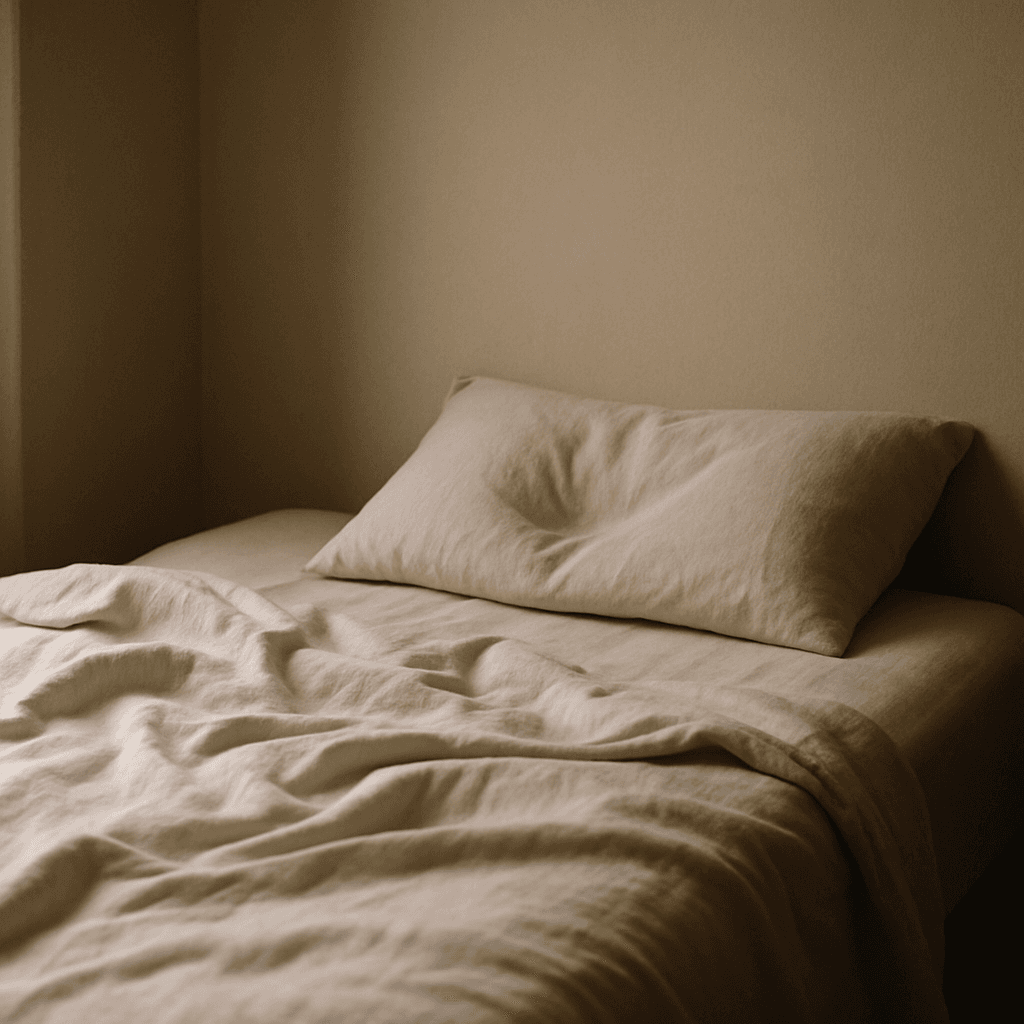

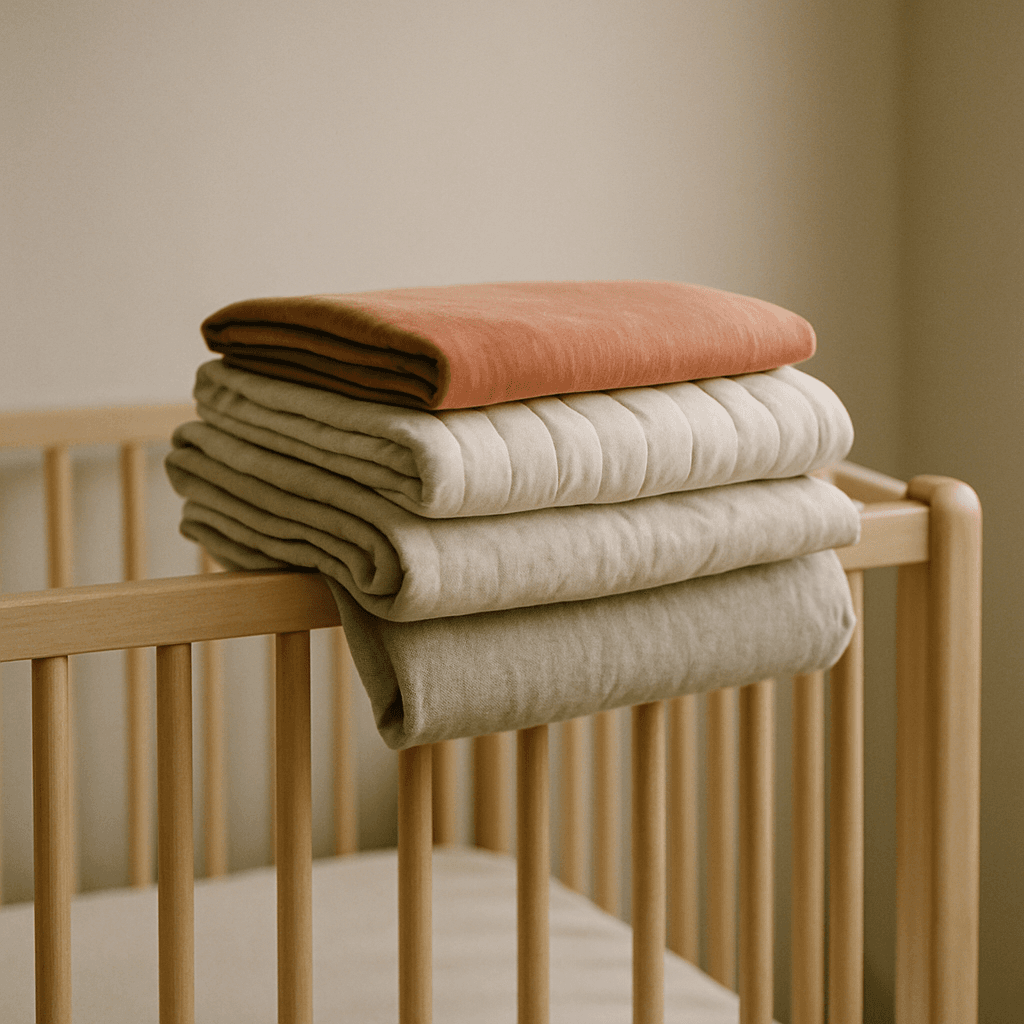
Choosing the right crib bedding is one of the most important decisions new parents make. A newborn's and infant's skin is incredibly delicate, so it's worth making sure the fabric your bedding is made from is safe, soft, and hypoallergenic. In this article, we'll show you which fabrics are best for your child's sensitive skin, so they can enjoy calm, healthy sleep.
1. Natural materials – the best choice for your child
Crib bedding should be made from natural, breathable materials that won't irritate a baby's skin. Organic cotton is one of the best choices, as it's gentle on the skin, hypoallergenic, and lets air circulate well. For little ones with especially sensitive skin, organic cotton offers softness and comfort while helping prevent your baby from overheating at night.
Another excellent material is linen. Although it may seem less soft than cotton, linen has exceptional breathable properties and is naturally resistant to bacteria and fungi, making it ideal for children with skin issues. Linen crib bedding keeps the temperature just right on warmer days while pleasantly cooling the skin and helping prevent your baby from sweating.
2. Soft and gentle crib bedding: what should you choose?
It's worth choosing fabrics that are not only safe but also pleasant to the touch. Bedding that stays in contact with your baby's skin all night should be exceptionally soft and comfortable. Microfiber bedding is a material known for its softness and easy care. Although microfiber isn't 100% natural, it's hypoallergenic, lightweight, and very pleasant to the touch, which makes it a popular choice among parents.
Bamboo bedding is another great option — a natural material that's exceptionally soft and antibacterial. Bamboo crib bedding isn't just comfortable; it also has thermoregulating properties, keeping baby cool in summer and warm in winter, making it an ideal choice all year round.
3. Avoid synthetic materials – why it matters
Synthetic fabrics such as polyester or acrylic can irritate the skin and trigger allergies. While they may seem cheap and come in a wide range of patterns, they're not ideal for little ones whose skin needs to breathe properly. Crib bedding made from synthetic materials can not only cause allergies but also make your baby feel uncomfortable, since these fabrics don't let air through, which encourages sweating.
It's best to avoid materials containing artificial additives, such as chemical dyes or synthetic fillings. Instead, choose natural, tried-and-tested fabrics that will give your little one calm sleep and comfort all night long.
4. Choosing the right crib bedding – what else should you consider?
Besides the fabric itself, other factors also affect your child's sleep comfort. Pay attention to the quality of the crib bedding, its finish, and how it should be washed. Choose fabrics that are easy to keep clean, since with babies, frequent washing of bedding is the norm.
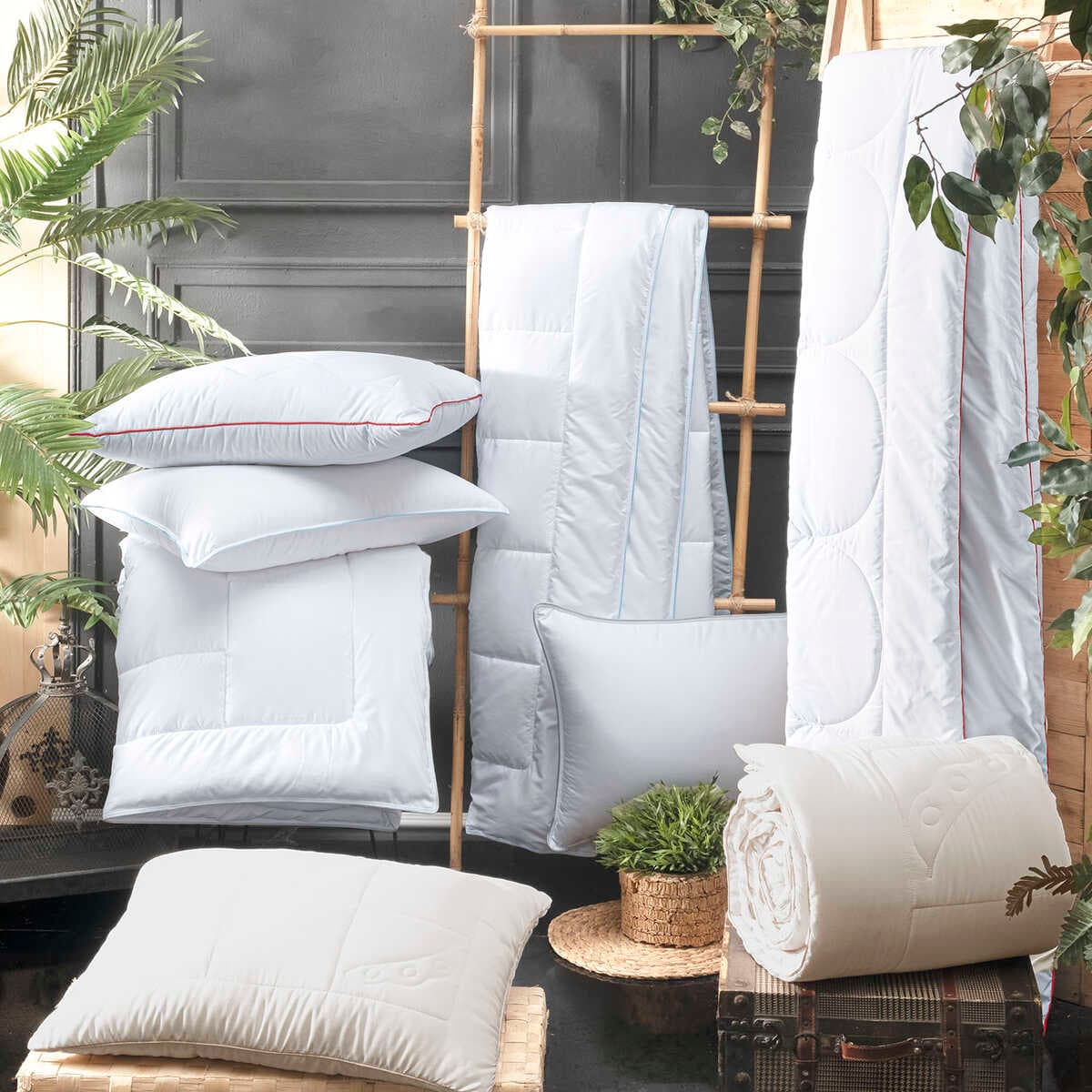
Also pay attention to the filling of the duvet and pillow. Natural fillings such as down or wool are gentle on the skin but may not be suitable for children with allergies. Alternatively, it's worth choosing hypoallergenic fillings — for example, antibacterial microfiber, which is safe and provides proper ventilation.
5. Which patterns are best for a baby?
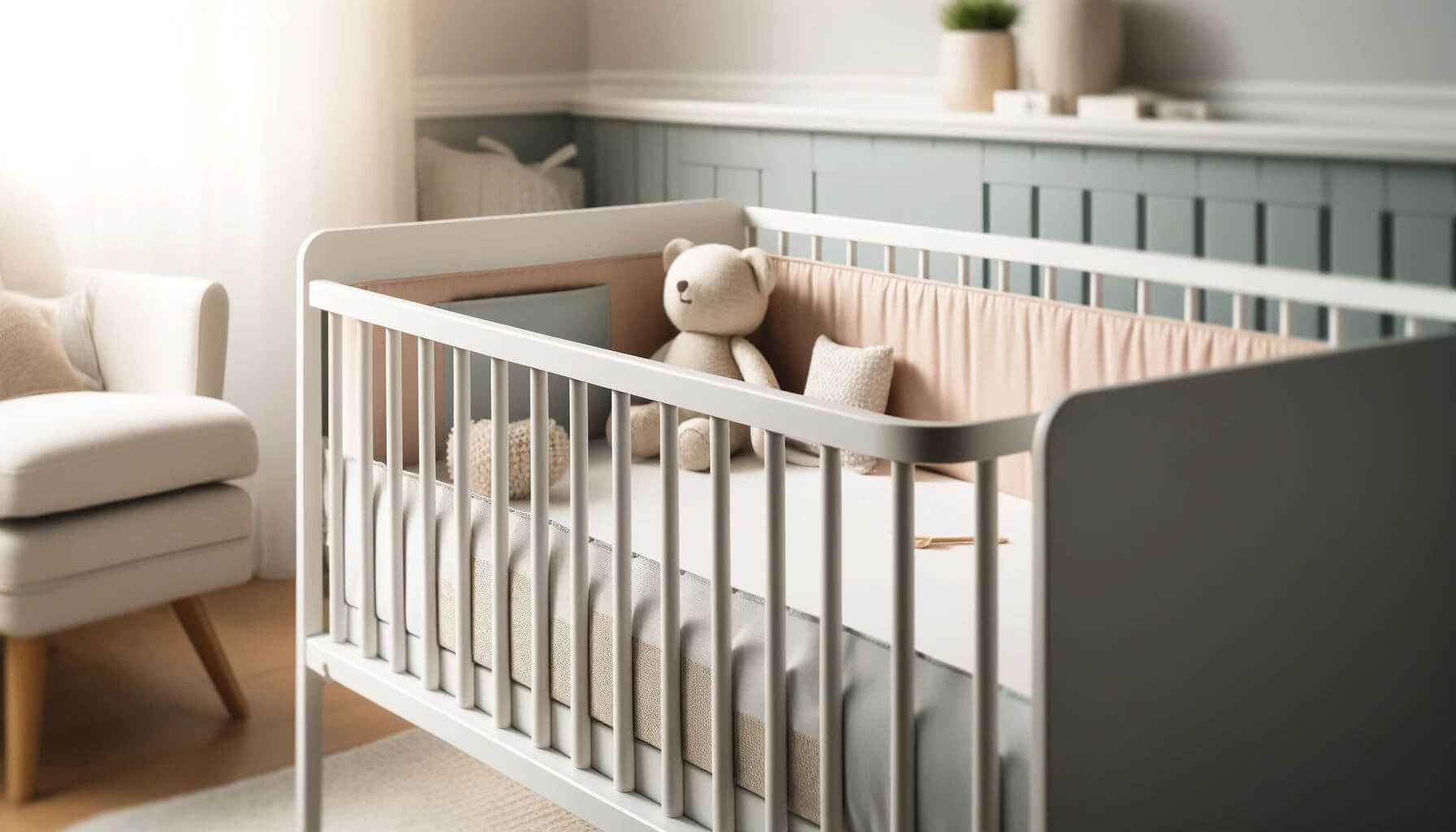
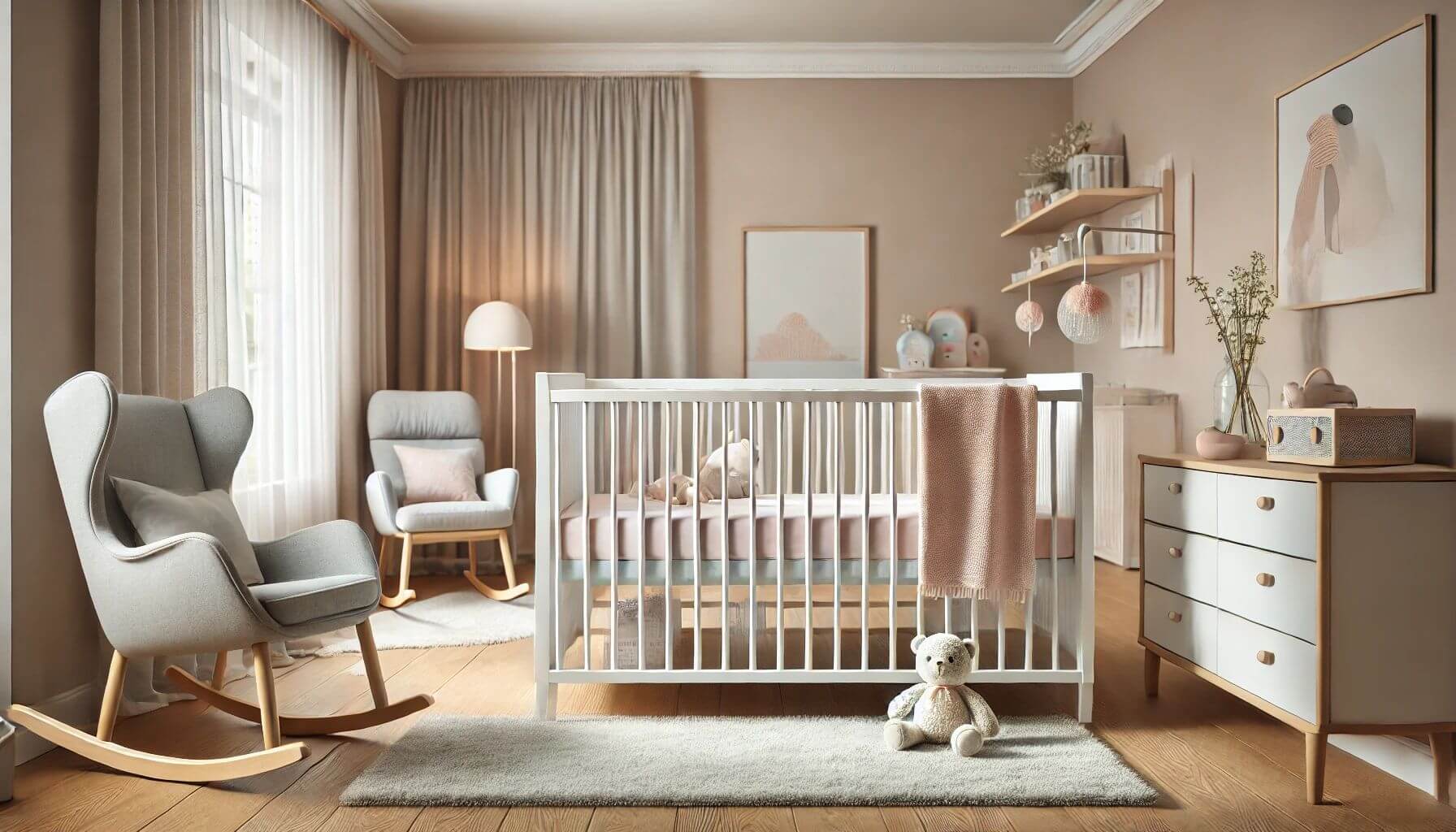
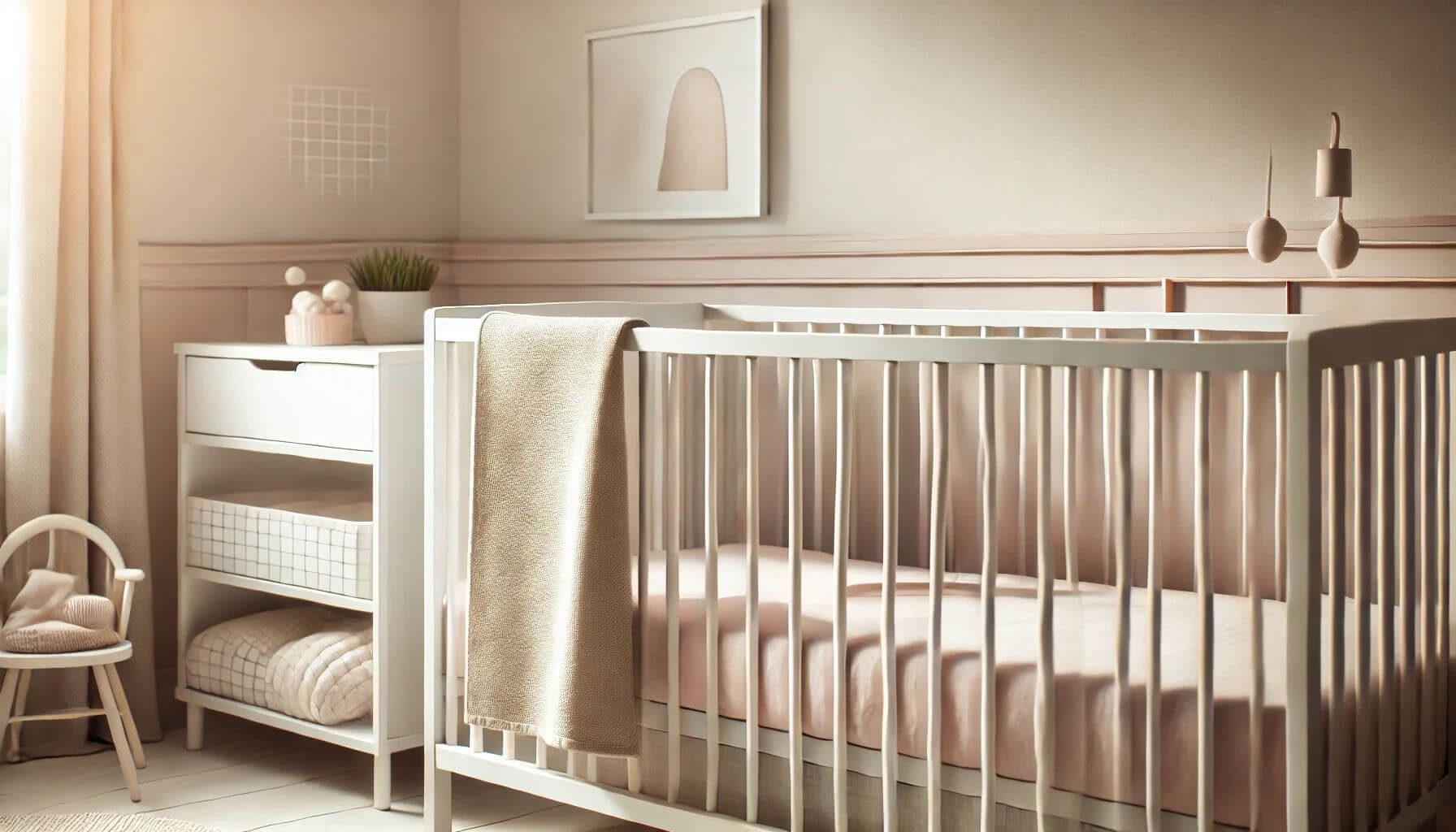
While the pattern of crib bedding is largely a matter of the parents' taste, keep in mind that overly bold colors and patterns can be too stimulating for a little one, especially in the first months of life. A much better choice is soft, muted colors — light pastels, white, beige, mint, or gray. Such bedding brings calm and harmony to the room, which supports rest and peaceful sleep for your baby.
Summary
Choosing the right crib bedding is an important decision that affects your child's comfort and health. Choose natural, breathable materials that are gentle on your baby's sensitive skin. Organic cotton, linen, bamboo, and microfiber are excellent choices that provide safety and comfort. Avoid synthetic fabrics, which can cause irritation. Remember that good bedding is an investment in your child's healthy sleep — so it's worth choosing high-quality products that guarantee comfort all night long.
Frequently asked questions about crib bedding
1. Which materials are best for my child's sensitive skin?
Natural fabrics such as organic cotton, linen, and bamboo are ideal choices for little ones. They're soft, breathable, and hypoallergenic, reducing the risk of skin irritation. Avoid synthetic materials, which can cause allergies or overheating.
2. Is microfiber bedding suitable for a baby?
Yes, microfiber is hypoallergenic and soft to the touch, making it a good choice for infants. However, it's important to choose high-quality microfiber that doesn't contain harmful chemicals or dyes.
3. How often should I change my child's bedding?
It's recommended to change the bedding at least once a week, and more often in case of frequent stains, for example after feeding. Clean bedding is key to healthy sleep and avoiding skin irritation for your child.

4. Does the color of the bedding matter for a child?
While the color of the bedding is a matter of taste, it's worth choosing soft, muted colors such as white, pastel shades of mint, pink, or blue. Overly intense colors and patterns can be too stimulating, especially for newborns. Calm colors support relaxation and good sleep.
5. What kind of duvet filling is best for a baby?
For infants, it's best to choose hypoallergenic fillings, such as microfiber or synthetic fiber fillings, which are easy to wash and don't cause allergic reactions. Avoid natural fillings such as down or feathers, which can trigger allergies.
6. Do lullabies help my child fall asleep?
Yes, lullabies are a wonderful way to soothe your baby before sleep. Melodies help your little one relax, making it easier to fall asleep faster and more peacefully. If you're looking for inspiration, check out our collection of lullabies for children, which will help you create a calm atmosphere before your baby's bedtime.