
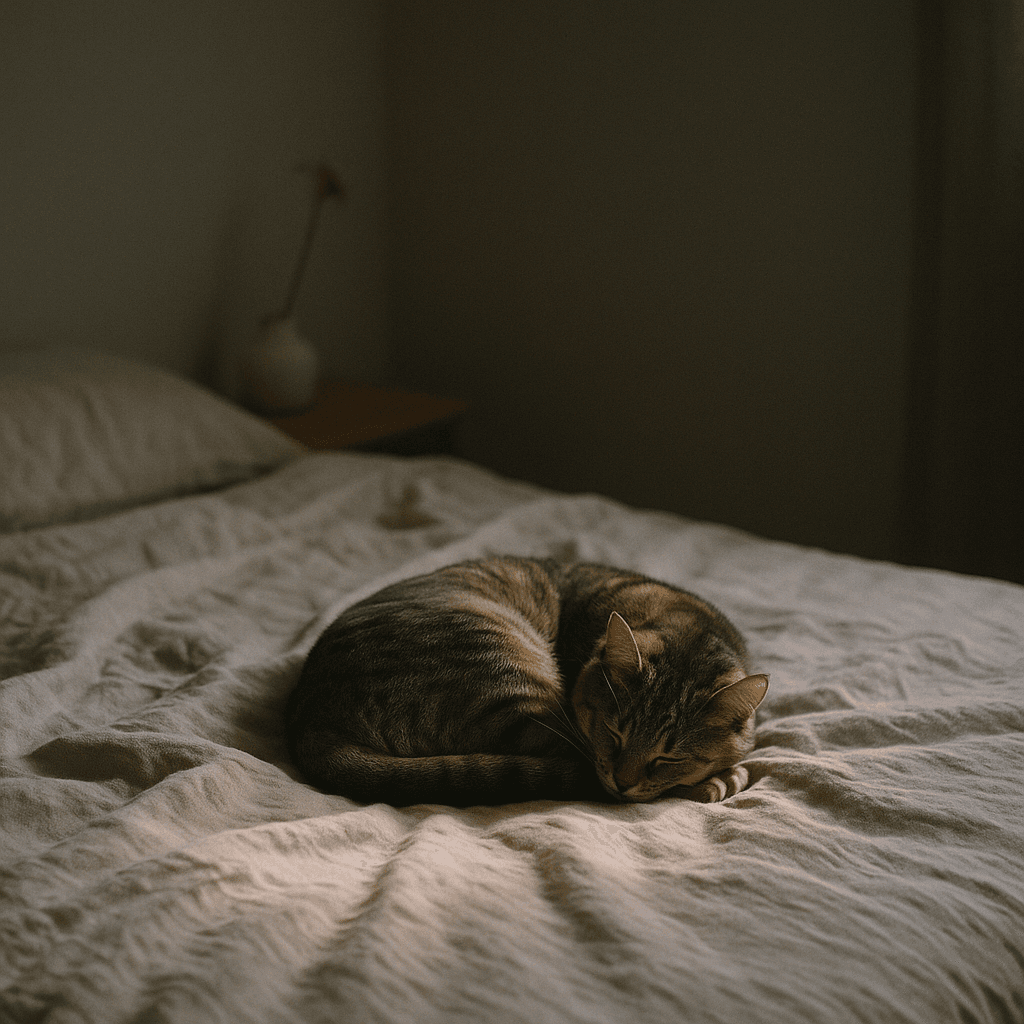
Dreams about cats, kittens and small kitties have stirred curiosity for centuries, sending people leafing through dream dictionaries in search of hidden meanings. Modern science, however – from neurobiology to sleep medicine – looks at the figure of the cat in the bedroom not as a mystical sign but as a fascinating indicator of our inner state.
The cat in the world of dreams is a symbol of autonomy and intuition, but also of hidden fear, a need for closeness or a struggle over your own boundaries. In this article we look at why your brain chooses "feline" images in particular, how that connects to your health, and why what your duvet is "dressed" in has a direct effect on the plot of your night visions.
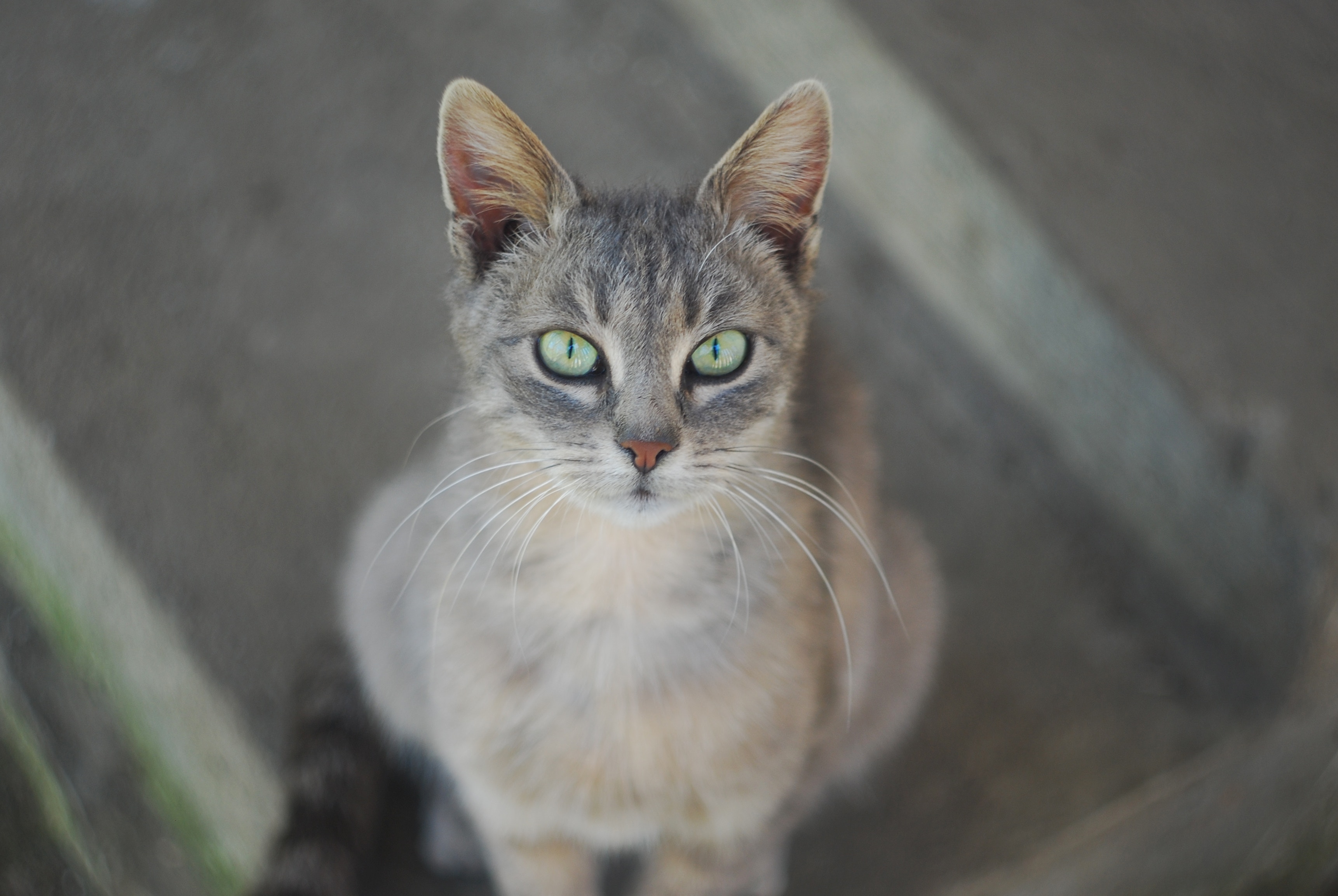
1. Cat dream dictionary: why does the brain "draw" cats? A psychological perspective
From the point of view of neurophysiology, dreams are the result of processing information in the REM (Rapid Eye Movement) phase. The image of a cat appears most often when the psyche is trying to balance a need for independence with a need for intimacy.
The cat as a symbol of personal boundaries
An adult cat in a dream often embodies our relationships with those around us. If you dream of an aggressive cat, it may be a projection of suppressed anger or a sense that someone in your real life is encroaching on your territory. A scientific fact: when we are under social stress, the amygdala (the brain's fear centre) stays active even at night. The brain interprets that tension through images of creatures capable of a sudden attack.
To lower the activity of the "fear centre", you need to act on the limbic system through smell. A diffuser in the bedroom is not just decoration – it is a biological tool. Aromas such as White Tea or Lavender send the brain a direct message that there is no threat. When the air is saturated with the right oils, dreams about fighting "feline" aggression give way to calm phases of recovery.






2. The physiology of discomfort: why bedding affects the content of dreams
Many of us do not realise that the choice of bedding is a key element of mental hygiene. Skin is the human body's largest receptor organ. If your body picks up negative tactile signals during sleep, the brain immediately weaves them into the plot of the dream.
Cat dream dictionary: how synthetics provoke nightmares
If your bedding is made from polyester or microfibre, you are exposing yourself to what is called tactile stress. Synthetic fabrics build up static charge and cause micro-irritations. The brain cannot ignore these signals and "paints them in" to dreams: that is exactly how the prickle of artificial material turns into a dream about cats' claws or scratches.
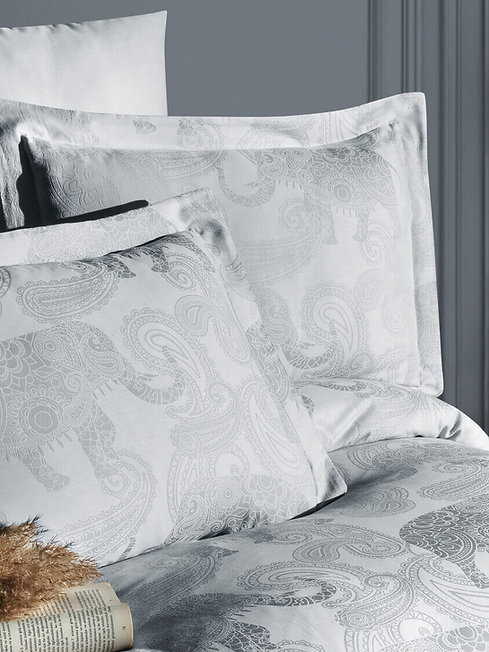
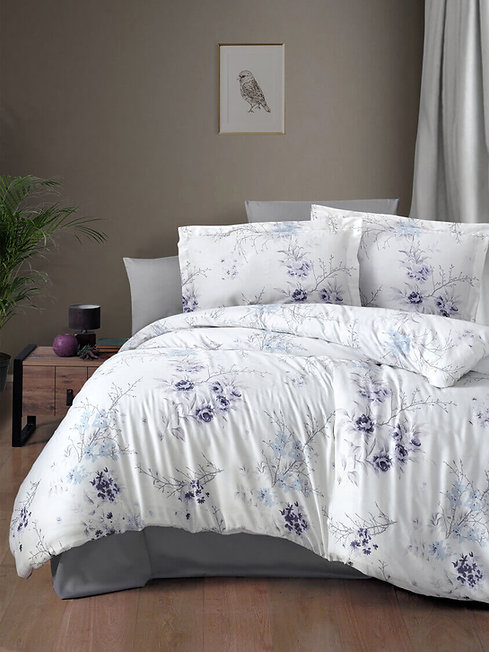
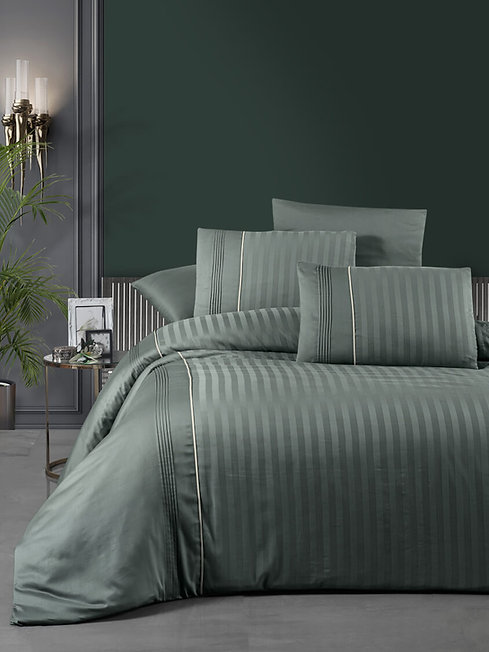
The solution: touch therapy. Choosing natural damask, satin cotton or Egyptian cotton removes the informational noise reaching the brain. The smooth surface of natural fibres lets the nervous system "cut out" the analysis of external stimuli entirely. Dreams about arguments or animal attacks then disappear, giving way to a sense of safety.


3. Thermoregulation and dreams about "hot", aggressive cats
One of the most important parameters of healthy sleep is temperature. For the brain to enter deep sleep, body temperature has to fall by around 1 degree Celsius.
The overheating trap
Artificial bedding acts as an insulator, trapping moisture and heat. Overheating is an alarm signal for the brain. In response to thermal stress, the subconscious generates dynamic, exhausting dreams – for example about wild cats chasing us or stuffy rooms full of animals. It is the brain's way of trying to wake us so that we change position and cool the body.
The advantages of natural fabrics:
Damask and jacquard: Thanks to their natural weave they provide ideal air circulation. The body does not sweat, and the brain sees no reason to generate "escape" scenarios.
Egyptian cotton: It is remarkably breathable, which stabilises the heart rate and allows undisturbed rest.
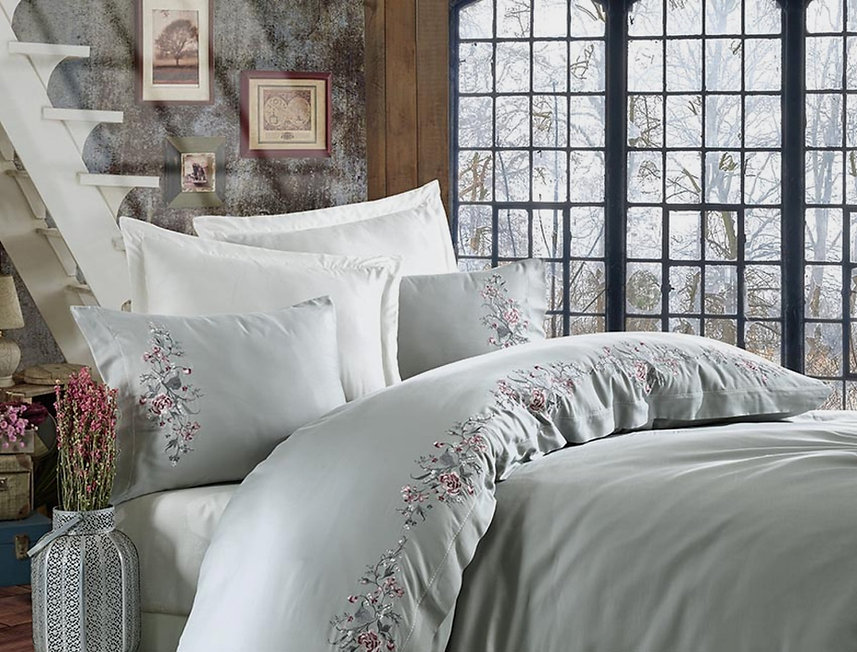
Embroidered bedding: It offers a subtle texture that soothes the senses.
4. The bedroom microclimate: what do dreams about sick cats say?
Dream dictionaries suggest that a sick or dirty cat foretells trouble. Sleep medicine sees it differently: it is a signal about poor air quality in your surroundings.
Dreams about the smell of a cat or breathlessness: These often come from air that is too dry or too dusty. Dust irritates the airways, which the brain interprets as the presence of allergens or dirt.
The role of a diffuser: Using an ultrasonic diffuser not only humidifies the air but, through aromatherapy, cleans the "olfactory background". Oils such as English Pear & Freesia or Rose create an aura of freshness. When the brain senses clean air saturated with nature, dreams about illness and dirt are replaced by visions of harmony and calm.
5. The psychology of colour and beauty before sleep
What your eyes see before you turn out the light programmes your subconscious for the next 8 hours.
White damask bedding: It brings on a state of "tabula rasa" – a clean slate. White calms and reduces overstimulation, which translates into dreams about bright, safe spaces.
Fine jacquard weaves: They provide a sense of luxury that raises self-esteem and reduces the fears of failure the cat dream dictionary so often mentions.
Summary: your sleep is your choice
The cat dream dictionary is not only a puzzle of the subconscious; it is an echo of the conditions in which you rest. Investing in natural damask bedding and a professional diffuser is the simplest way to change the plot of your night visions for good.
When your body is wrapped in the delicacy of Egyptian cotton and the air is saturated with soothing lavender, no "aggressive cat" will disturb your peace. Take care of the quality of your night, and your days will be full of energy and clarity.