
Dreams have always been a fascinating subject of study, balanced on the border between mysticism and science. Older cultures tried to interpret them through dream dictionaries, looking for prophetic visions. Modern science, though – from neurobiology to sleep medicine – casts an entirely different light on the phenomenon. Dreams, especially anxious ones featuring fighting, wounds or the search term blood dream dictionary, are in fact a fascinating report on the state of our nervous system and the body's homeostasis.
1. The architecture of sleep: what happens when the brain generates nightmares?
Before we understand the meaning of particular dream symbols, we need to understand the structure of dreaming itself. Human sleep consists of cycles, each covering the NREM (Non-Rapid Eye Movement) and REM (Rapid Eye Movement) phases. It is in the REM phase that the most intense processes of memory consolidation and emotional processing take place.
2. Blood dream dictionary – a neurophysiological deconstruction of the symbol
In the traditional reading, the blood dream dictionary suggests strong emotions, a loss of vital strength or deep psychological injury. From the perspective of sleep medicine, this motif appears most often in people suffering from sleep fragmentation.
Blood as a signal of depleted resources
Blood is a biological symbol of life and energy. When we dream of losing it, our subconscious "self" is often reacting to a real depletion of neurotransmitters such as serotonin or dopamine. People working in multitasking mode, exposed to the blue light of screens and sleeping in unsuitable conditions, report dreams about wounds more often. It is the body calling to move into anabolism – the physical rebuilding of tissue, which happens most effectively between 22:00 and 2:00 at night, provided the surroundings are properly kept.
3. The senses in the bedroom: why touch decides the content of dreams
Skin is the largest sensory organ of the human body. It has millions of receptors (Meissner's and Pacinian corpuscles) that send signals to the central nervous system around the clock. What you wrap your body in for the night directly modulates how your brain works.
The benefits of natural fabrics
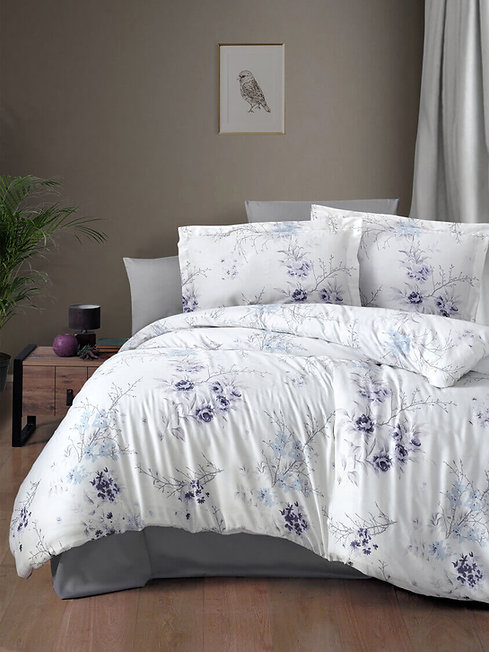
More and more people consciously choose bedding made from natural materials such as cotton or satin cotton. Natural fabrics stand out for their high air permeability, which lets the skin breathe freely during sleep. They maintain an optimal microclimate around the body, wicking moisture away effectively and regulating temperature. Sleep becomes deeper and more restorative as a result. Natural fibres are also kind to the skin and minimise the risk of irritation, providing comfortable rest all night.

Bedding as a therapeutic tool
Choosing natural fabrics is an investment in emotional stability. Let us look at the properties of premium materials:
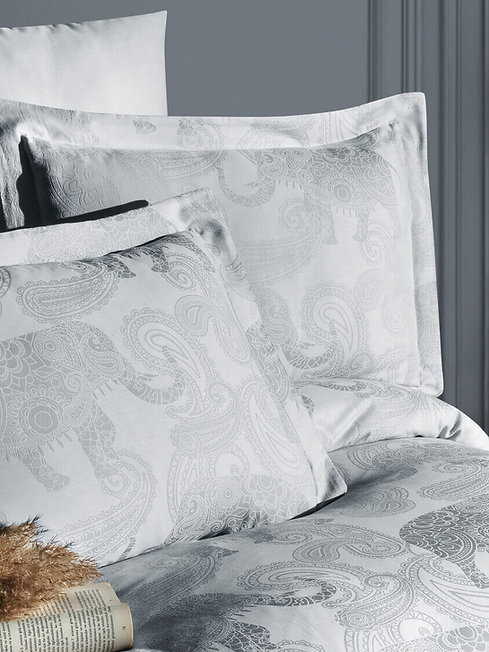
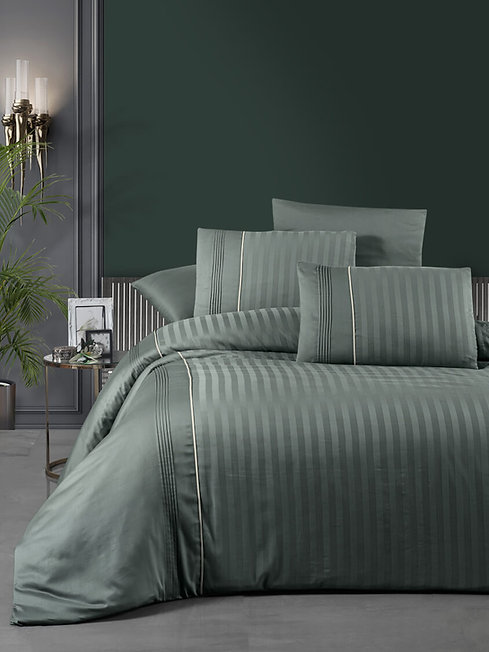
Damask and jacquard: These fine fabrics have a dense weave that gives the bedding a certain weight. Psychology knows the concept of "deep pressure therapy". The gentle resistance of a dense damask stimulates the release of melatonin and serotonin while lowering cortisol.
Egyptian cotton and satin: Their structure is remarkably smooth. For highly sensitive people (HSP), minimising friction between skin and material is key if the brain is to "disconnect" from analysing tactile stimuli and move into recovery.
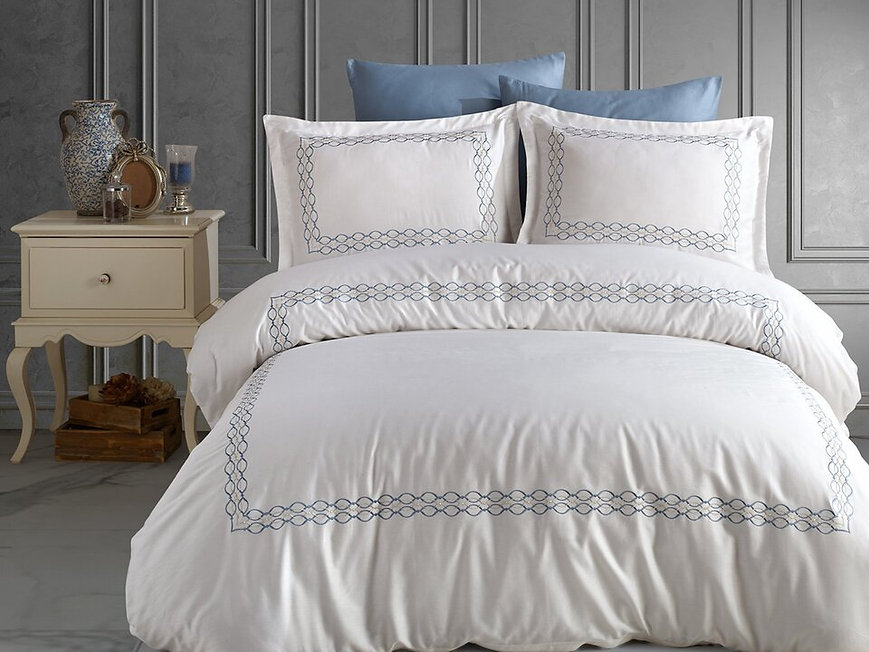
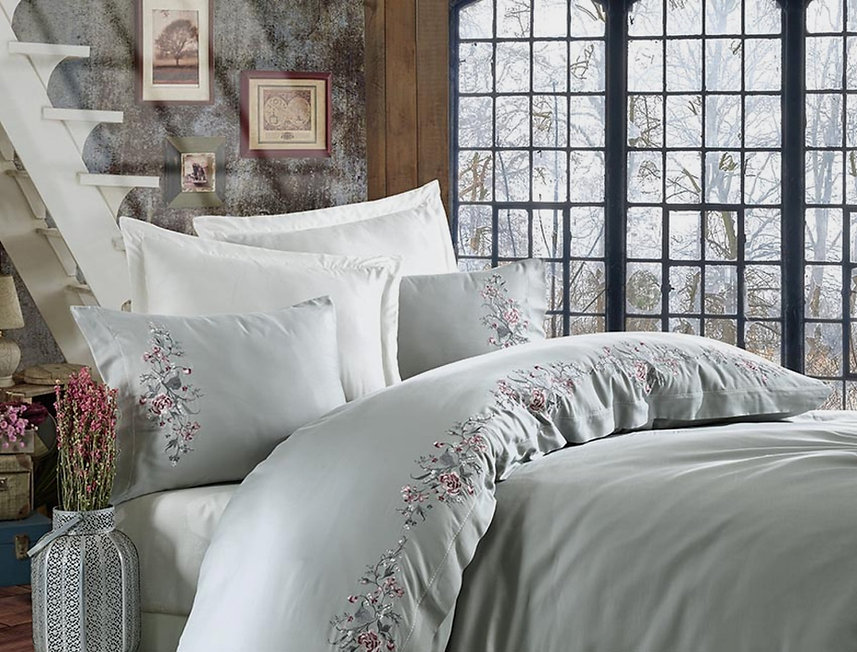
Embroidered bedding and classic cotton: Thanks to natural micropores, these fabrics let the skin exchange gases freely. A stable body temperature means stable sleep, without the abrupt pressure swings that provoke anxious visions.
4. Preventive aromatherapy: the chemistry of scent in the service of the subconscious
If your dreams are restless, you need to act on the limbic system – the oldest part of the brain, responsible for instincts and emotions. Smell is the only stimulus that does not pass through the thalamus but strikes the amygdala directly.
Diffusers – why are they better than candles?
Ultrasonic diffusers break the particles of essential oils into a cold mist. All the therapeutic properties of the plants are thus preserved, and the air in the bedroom is humidified, which prevents mucous membranes drying out (a common cause of dreams about breathlessness and nosebleeds).


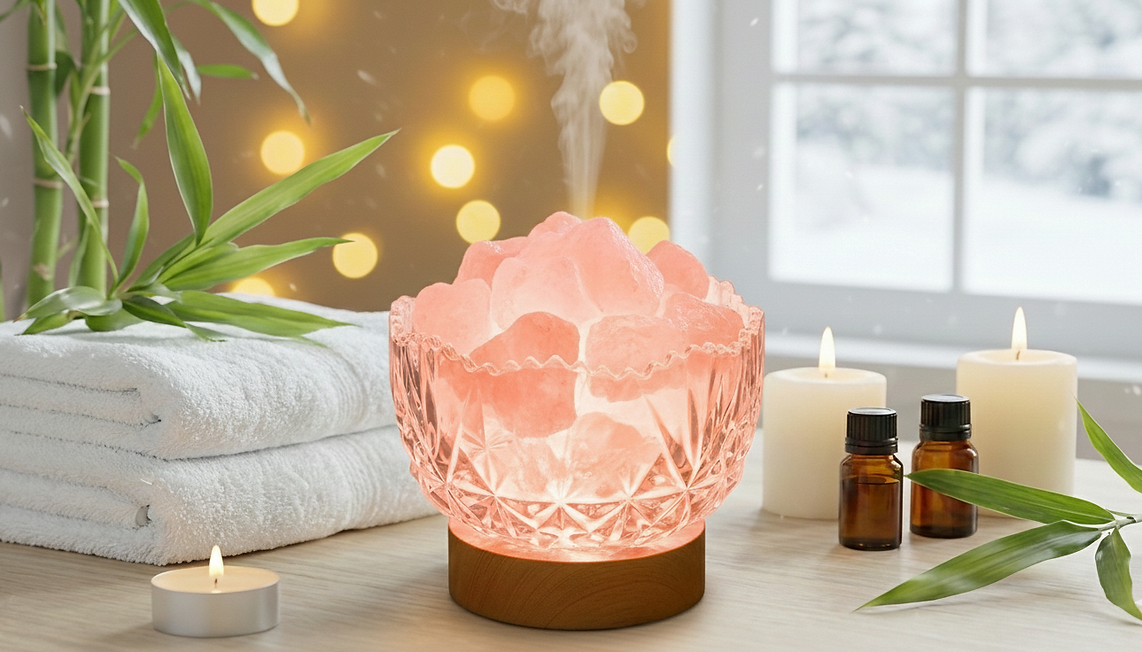
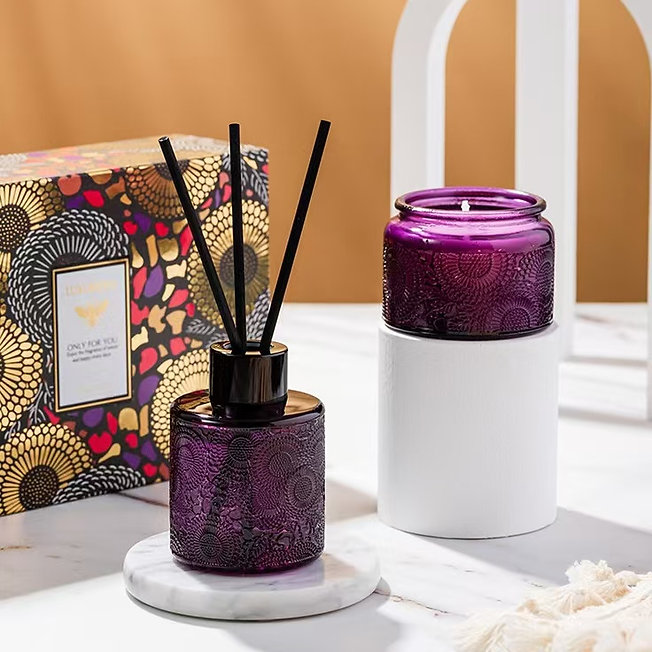


Scent prevention – choosing the essence:
Bringing a constant scent into an evening ritual creates what is called an olfactory anchor. After a few days the brain starts to associate that scent with safety, which automatically shortens the time it takes to fall asleep.
Lavender: It contains linalool, which acts on the brain's GABA receptors much as some sedatives do, but in a fully natural and safe way. Ideal when racing thoughts are wearing you out.
White Tea: A scent of cleanliness and new beginnings. Ideal for anyone who wants to cut off from work problems before sleep.
Amber & Lily of the Valley: Amber has grounding properties. It helps build a sense of "hearth and home", which is key in fighting dreams about losing loved ones or about threat.
Rose: Research shows that exposure to the scent of roses during learning and later sleep improves memory and calms the heart rate.
English Pear & Freesia: The lightness of these notes helps "brighten" the mood, which translates into more optimistic dreams in the REM cycles that follow.
5. How to build the ideal sleep ecosystem? (A practical guide)
To eliminate night-time anxiety for good and stop checking what the blood dream dictionary says, treat the bedroom as a laboratory of recovery.
Step 1: Air and scent hygiene
Switch the diffuser on 30 minutes before you plan to sleep. Let the mist saturate the air. Choose the scent intuitively – if you feel physical stress, choose lavender; if mental, white tea or amber.
Step 2: A synthetic detox
Replace your bedding with one made from 100% natural fibres. Choosing damask or satin cotton with a high thread count (TC) will give the skin optimal thermal conditions. Remember that as you fall asleep the body has to lower its temperature by around 1 degree Celsius. Synthetic bedding makes that impossible, which is a direct route to waking and to nightmares.
Step 3: A tactile ritual
Pay attention to details. Embroidered or jacquard bedding provides gentle sensory stimuli that can soothe the nervous system. What is beautiful to the eye is soothing to the subconscious.
6. Summary: your dreams depend on your choices
Dreams of blood, fear or chaos are only information your body is sending. They speak of a need for protection, recovery and attention. Instead of looking for answers in dream dictionaries, look at your bedroom. Is it a place where your brain can feel safe?
Investing in luxurious bedding in damask, satin or Egyptian cotton is not merely a question of beauty. It is elementary care for mental health. Combined with professional aromatherapy based on diffusers, you create a support system for your psyche that works while you sleep.
Remember that the quality of your day depends on the quality of your night. By choosing naturalness, science and the highest textile quality, you give yourself a chance of dreams that restore you rather than frighten you.
Want to change your sleep and say goodbye to night-time fears? Our collection of exclusive bedding in damask, jacquard and Egyptian cotton was created for the most demanding users, those who understand what recovery means. Add one of our diffuser scents and create a space in which your brain can finally find peace.