
Dust mites in bedding are microscopic arachnids that can live in our beds, pillows and mattresses, quietly affecting our health without us noticing. These tiny creatures, sometimes described as looking like little bugs, are behind many allergies, showing up as, among other things, a runny nose, coughing or skin allergic reactions. House dust mites don’t bite in the traditional sense, but they can cause bites or bite-like reactions caused by irritation from their droppings. That’s why it’s essential to understand what dust mites are, what they look like, whether dust mites bite, and at what temperature they die. The right approach to mattress cleaning and regular use of effective home methods will not only help you get rid of dust mites in your bedding, but also improve your sleep comfort and health.
Guide:
What do dust mites in bedding look like?
Effective methods for killing dust mites in bedding
How to clean a mattress from dust mites?
Anti-allergy bedding: How does it work and why choose it?
Prevention and keeping bedding clean: How to minimize the risk of dust mites?
Summary
Frequently asked questions
What do dust mites in bedding look like?
Dust mites in bedding are practically invisible to the naked eye. So what do they actually look like? They’re microscopic creatures measuring just 0.1 to 0.5 mm, which makes them extremely hard to identify without specialist equipment. They have oval, translucent or slightly whitish bodies covered in fine hairs that let them move across the surface of fabrics. Their appearance, while unremarkable, is quite characteristic of this group of organisms. In practice, they can usually only be seen under a microscope, which explains why hardly anyone is ever aware of their presence.
Photos of dust mites in bedding available online can help you better understand their nature, even though spotting these creatures with the naked eye is next to impossible.
Let’s clear up one thing right away – do dust mites bite? Dust mites themselves don’t bite people or animals, but their droppings and dead body fragments can trigger reactions in people that resemble dust mite bites. Skin can react to contact with them with a rash, redness or itching, which can feel like actual bites. It’s these symptoms that are so often mistaken for dust mite bites.
Effective methods for killing dust mites in bedding
Getting rid of dust mites in bedding takes regular action to limit their growth. So what kills dust mites? The simplest and most effective method is washing bedding at a high temperature. At what temperature do dust mites die? Studies show that dust mites die at temperatures above 60°C (140°F), so it’s worth regularly washing your bedding, pillowcases and blankets at that temperature.
High temperature: Dust mites in bedding are sensitive to high heat, which is why the most effective way to eliminate them is washing bedding at a temperature of at least 60°C. This temperature not only kills the mites themselves but also destroys their eggs. Drying bedding on a hot air cycle in the tumble dryer can also effectively remove these pests. It’s a simple, safe method that requires no special chemicals.
Chemical products: There are many products on the market that effectively kill dust mites in bedding. These contain active substances that destroy dust mites and their eggs. Using this type of product regularly, especially in cases of heavy infestation, can effectively reduce the number of mites in the bedroom. It’s important, though, to choose products that are safe for your health and the environment.
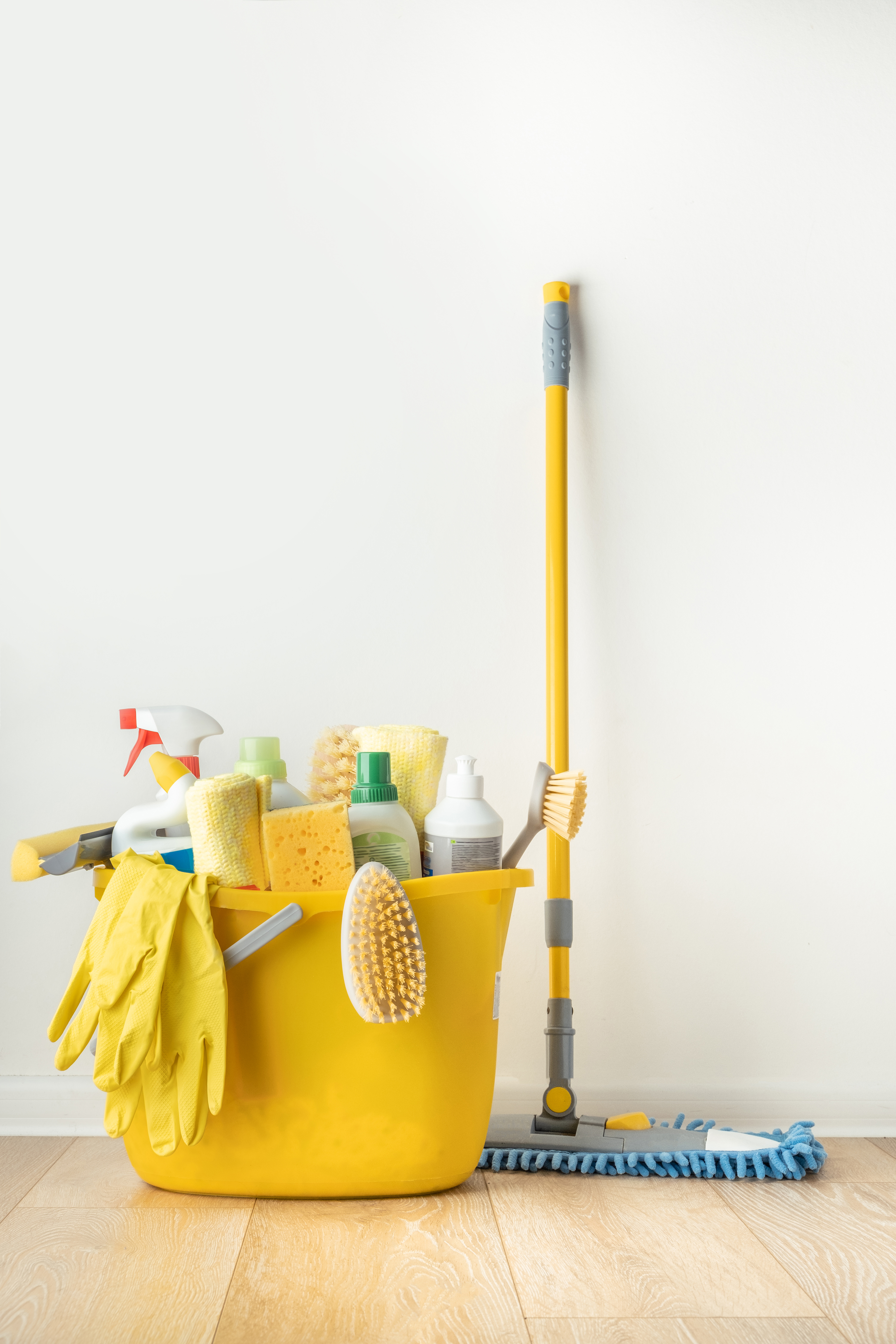
Natural methods: For anyone who prefers natural solutions, there are plenty of home remedies for dust mites. Essential oils such as tea tree, eucalyptus or lavender oil can help repel mites. Sprinkling baking soda over the mattress and vacuuming it up afterwards can also be effective at neutralizing mites. Vinegar, too, has antibacterial properties and can be used to disinfect surfaces in the bedroom. Natural methods may take a bit more effort and consistency, but they’re kind to both the environment and your health.
On top of that, to effectively fight house dust mites, it’s worth vacuuming your mattress and rugs at least once a week. Using special anti-allergy covers on pillows and mattresses also limits mites’ ability to get through.
How to clean a mattress from dust mites?
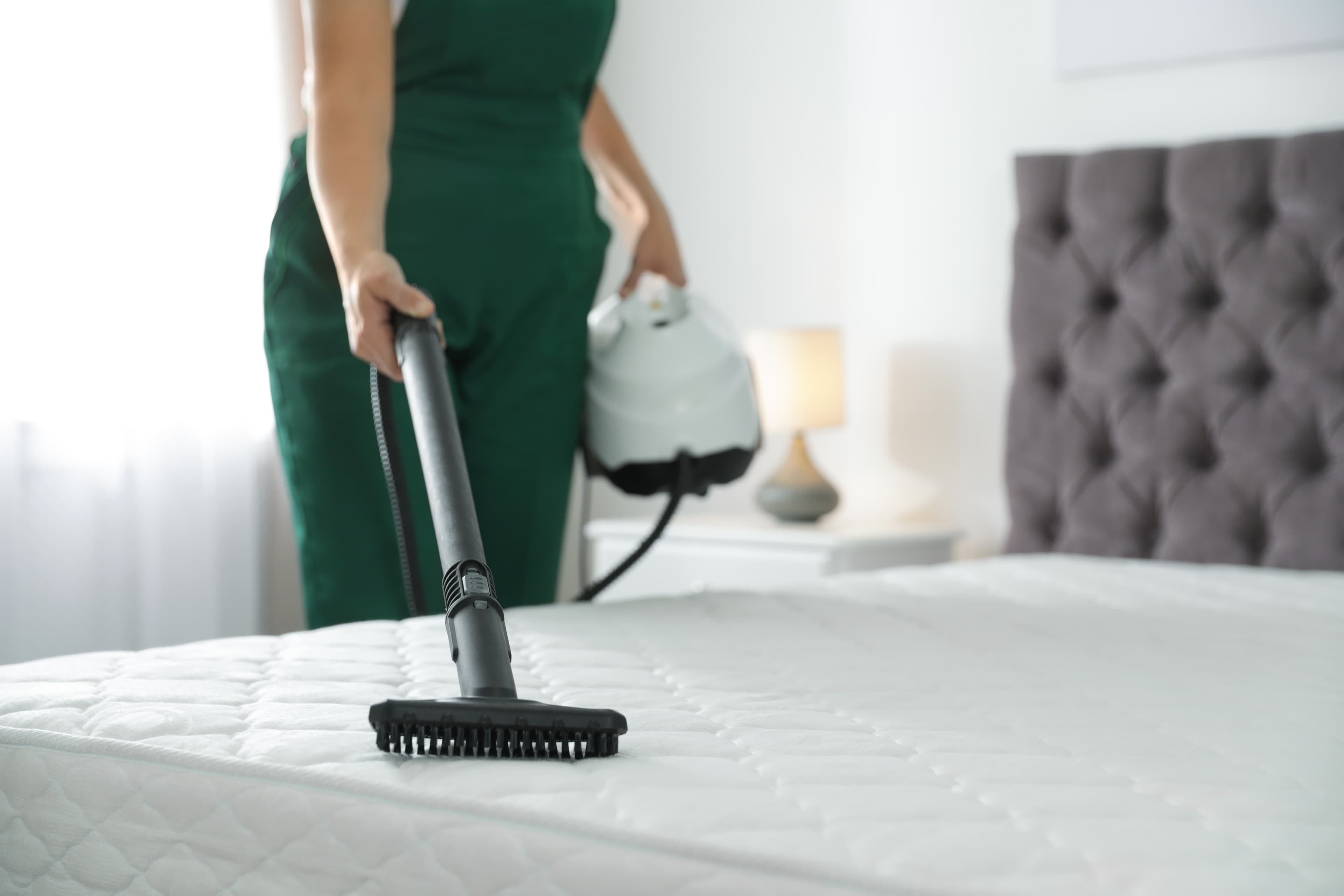
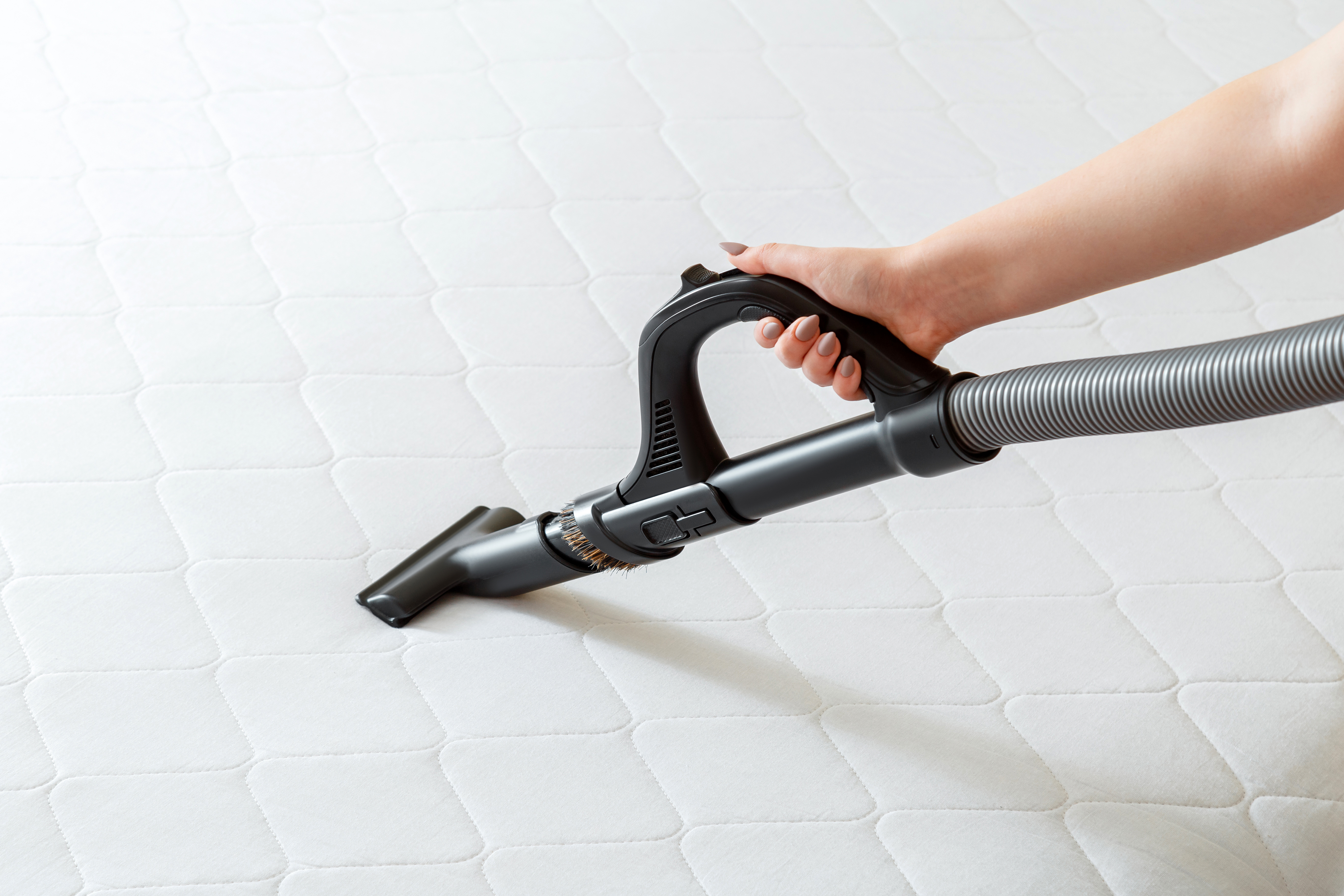
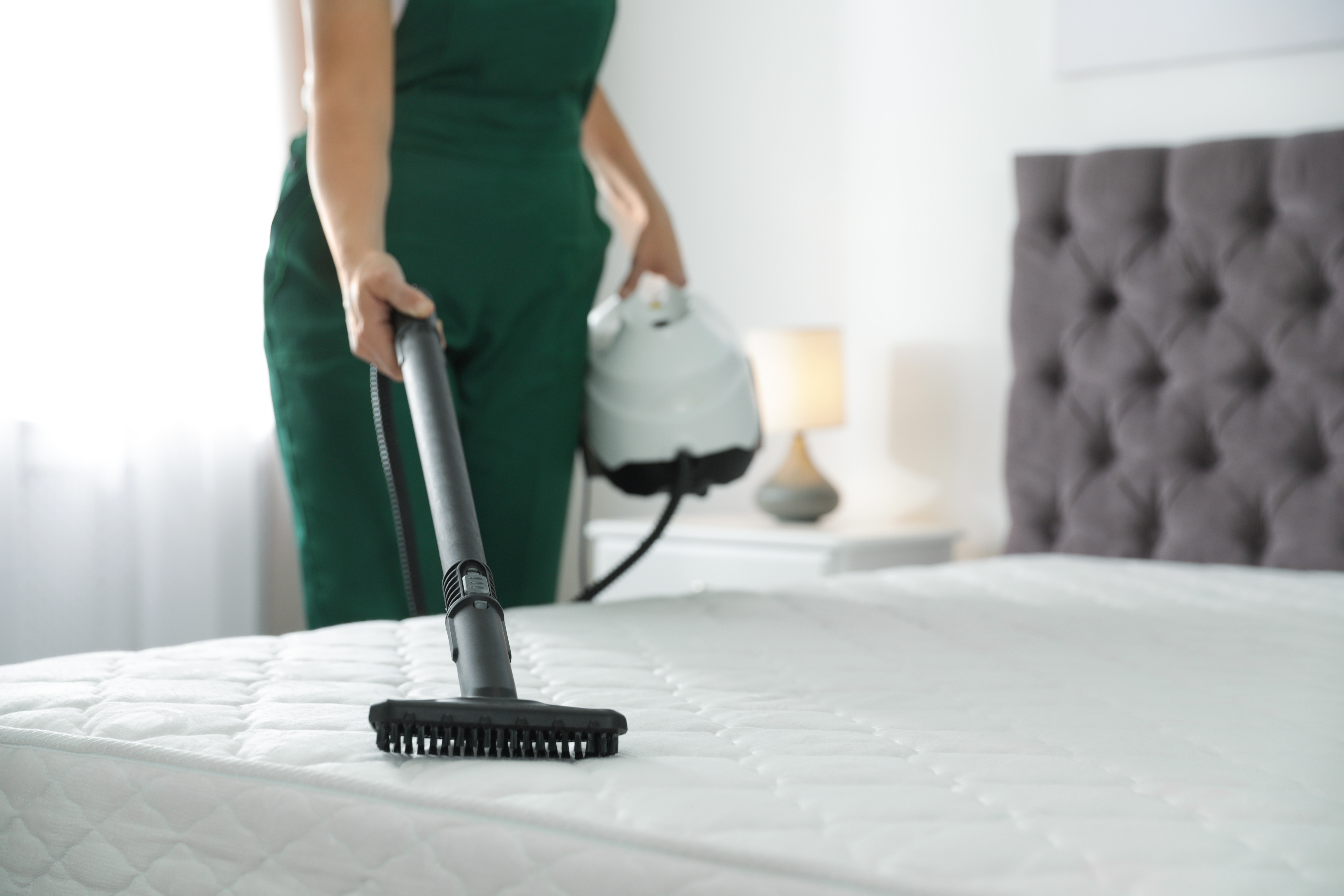
Cleaning dust mites out of a mattress takes a few simple but effective steps. First, strip the bedding and wash it thoroughly at a temperature above 60°C, which effectively kills dust mites. Next, vacuum the mattress using a vacuum cleaner fitted with a HEPA filter. This filter traps mite particles and their droppings, which are the main source of allergic reactions.
The next step is applying baking soda, which helps neutralize mites. Sprinkle it over the entire surface of the mattress, leave it for a few hours, then vacuum thoroughly. There are also special anti-mite sprays on the market that can be applied to the mattress surface to boost the effectiveness of the process even further.
To keep your mattress clean, it’s recommended to vacuum it at least once a week. It’s also worth washing your bedding weekly, which helps minimize the presence of dust mites and improves your sleep comfort.
Anti-allergy bedding: How does it work and why choose it?
Anti-allergy bedding is an incredibly effective solution for anyone dealing with allergies caused by dust mites in bedding. It’s made from hypoallergenic materials such as microfiber, densely woven cotton or synthetic fibers that prevent dust mites from settling in. These materials are also moisture-resistant, which limits the growth of mold and bacteria that can be harmful to your health. It’s worth knowing that anti-allergy bedding often uses innovative technologies, such as impregnating the fabric with anti-mite substances that effectively eliminate mites. The materials used to make this kind of bedding are also often more tightly woven, which limits mites’ ability to get inside the fabric.
Anti-allergy bedding often also contains extra impregnations designed to fight dust mites. This means it doesn’t just limit contact with allergens, it also reduces the risk of mold and bacteria growth. Washing this bedding regularly at high temperatures, which also kills dust mites, makes it an incredibly effective weapon against allergens.
The benefits of using anti-allergy bedding go beyond better sleep quality – it also significantly reduces allergy symptoms such as a runny nose, sneezing or skin irritation. For allergy sufferers, choosing this kind of bedding can be key to better health and comfort.
Prevention and keeping bedding clean: How to minimize the risk of dust mites?
To effectively prevent dust mites from settling in your bedding, keeping up systematic bedroom hygiene is essential. The single most important step is washing your bedding regularly. It’s recommended to wash it at least once a week at a temperature of no less than 60°C, since dust mites die at that temperature. This routine effectively eliminates most mites and their eggs.
Besides washing, airing out your bedding and bedroom is another key element of prevention. Dust mites, while they don’t bite, prefer damp, warm environments. Airing out the bedroom regularly reduces air humidity, making it harder for mites to survive. It’s also a good idea to give the mattress a thorough clean every few months, vacuuming it or using special products. Airing bedding out in the fresh air can also help reduce the number of mites.
Systematic washing, cleaning and using anti-allergy bedding form the foundation of the fight against dust mites. Keeping the bedroom clean not only reduces the risk of allergies, it also improves sleep quality and everyday wellbeing.
Summary
The most effective ways to kill dust mites in bedding:

Washing bedding at a high temperature – at least 60°C, which kills dust mites and their eggs.
Vacuuming the mattress regularly – ideally with a HEPA-filter vacuum cleaner, which effectively removes dust mites.
Using anti-allergy bedding – hypoallergenic materials limit the growth of mites and allergens.
Using anti-mite products – chemical or natural products that eliminate mites.
Airing out the bedroom and bedding – lowering air humidity makes it harder for mites to survive.
Why consistency matters:
Regularly applying these methods helps keep dust mite levels in your bedding low, minimizing the risk of allergies and health problems.
Being consistent about cleaning and washing your bedding provides long-lasting protection against allergens, while also improving sleep quality and bedroom comfort.
Frequently asked questions
1. Do dust mites bite?
Dust mites don’t bite people, but their droppings and body fragments can trigger allergic reactions that resemble the symptoms of a bite.
2. At what temperature do dust mites die?
Dust mites die at temperatures above 60°C, which is why it’s important to wash bedding at that temperature.
3. How often should you wash bedding to minimize the risk of dust mites?
It’s recommended to wash bedding at least once a week at a temperature of at least 60°C.
4. What are the natural methods for fighting dust mites?
You can use essential oils, such as tea tree oil, as well as baking soda, to neutralize dust mites.
5. Do anti-allergy covers really work?
Yes, anti-allergy covers are designed to limit the penetration of dust mites and allergens, which significantly improves sleep quality.
6. Which chemical products are effective against dust mites?
There are anti-mite products on the market that contain active substances which effectively eliminate mites and their eggs.
7. Does airing out the bedroom matter?
Yes, airing it out regularly lowers humidity, making it harder for dust mites to survive.