
Scent diffusers have become an incredibly popular choice for homes, offices, and service spaces alike. These simple devices make it easy to fill any interior with a pleasant fragrance, lifting the mood and everyday comfort. Scent diffusers work by dispersing essential oils or other fragrant substances, so within minutes the space fills with a subtle, relaxing aroma.
Investing in a scent diffuser is a great way to improve air quality, especially in rooms without access to natural ventilation. Beyond their decorative appeal, diffusers can also have a positive effect on wellbeing, helping to reduce stress, sharpen concentration, and support relaxation.
Scent diffusers come in many forms, from traditional reed diffusers to modern electric and humidifying models, so you can pick the one that suits your needs. Choosing the right diffuser can bring harmony and a pleasant atmosphere to any interior, while also serving as an elegant decorative accent.
Guide:
Types of scent diffusers
Electric diffusers
Humidifying diffusers
Traditional scent diffusers (reed and stone)
Reed diffusers
Stone diffusers
Comparing the different types of diffusers
How to choose the right scent diffuser?
Tips and advice for using scent diffusers
Summary
Types of scent diffusers
Scent diffusers are popular devices that make it easy to bring pleasant fragrances into a space, improving both atmosphere and air quality. There are many types of scent diffusers, differing in how they work, their features, and their intended use. In this article, we'll look at three main types of diffusers — electric, humidifying, and traditional (reed and stone) — comparing their pros, cons, and ideal applications.
Electric diffusers
How electric diffusers work
Electric diffusers work by gently heating fragrance oils or using ultrasonic technology to release aromatic particles into the air. Depending on the model, some also use a fan to circulate the scent around the room. The advantage of this type of diffuser is precise control over fragrance intensity, plus the option to set an automatic shut-off or change other settings. That makes electric diffusers an ideal solution for rooms where the scent needs to be strong and released quickly.
Technology behind fragrance release
Some electric diffuser models use ultrasonic technology, which breaks down oil particles into extremely fine micro-droplets. This method of releasing fragrance ensures long-lasting, even scent distribution throughout the room. Electric diffusers may also come with extra features, such as colour-changing LED lighting or programmable timers.
Pros:
Electric scent diffusers offer several key benefits. Above all, they work quickly and efficiently — just plug one in, and the scent fills the air almost instantly. Many models also let you adjust the fragrance intensity, so you can fine-tune it to your own preference.
Cons:
Among the drawbacks of electric diffusers is their dependence on a power source — they aren't portable, and they only work where there's access to electricity. Some models may also produce a faint hum, which can be bothersome, especially with units that use a fan to disperse the fragrance.
When is an electric diffuser the right choice?
Electric diffusers are the best option for anyone who wants fast results and full control over fragrance intensity. They're ideal for offices, living rooms, and large spaces, where quick, effective scent distribution really matters.
Humidifying diffusers
How do humidifying diffusers work, and how are they different?
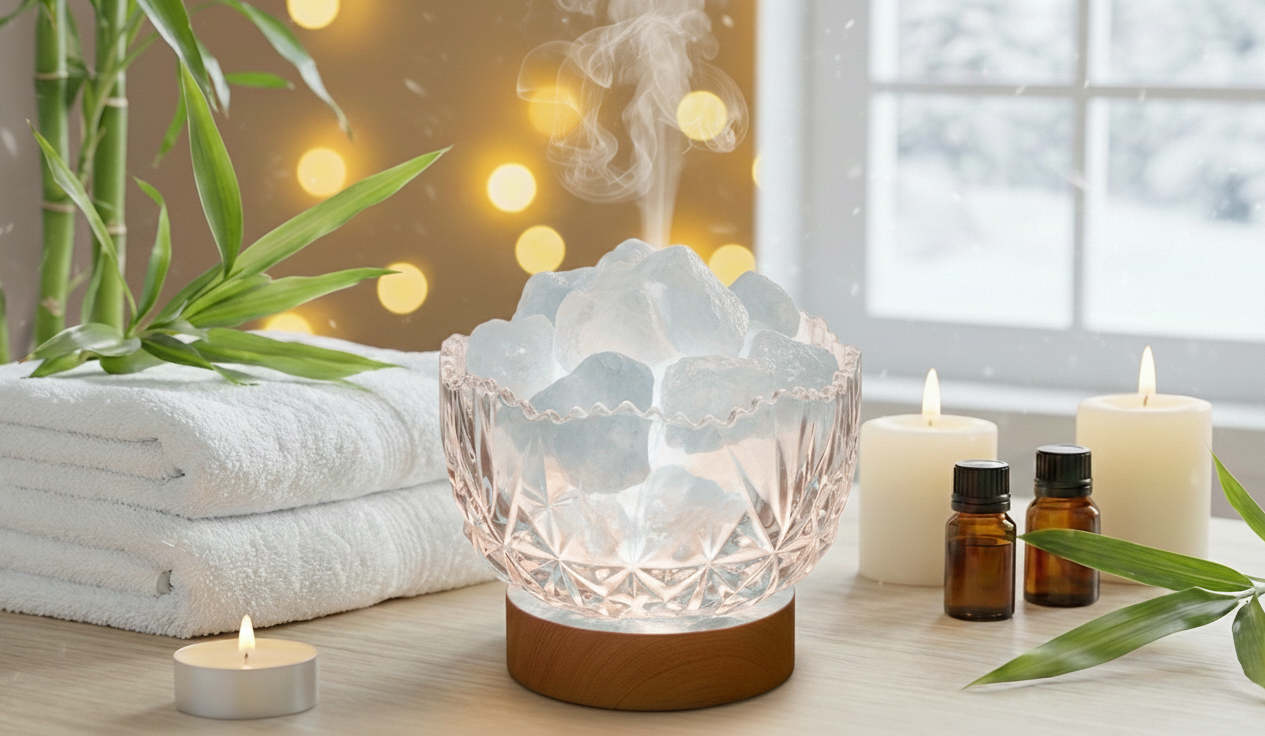
Humidifying diffusers combine air humidification with aromatherapy. They use water, dispersed as a fine mist, to which fragrance oils are added. That means humidifying diffusers don't just release scent — they also help maintain the right humidity level in a room. They're ideal for use during the heating season, when indoor air tends to dry out.
Pros:
Humidifying diffusers improve air quality, which matters most in winter, when heating makes indoor air very dry. Thanks to combining humidification with aromatherapy, users enjoy a pleasant scent that not only lifts the mood in a room but also adds moisture to the air — which can help with dry skin or irritated airways.
Cons:
Humidifying diffusers need regular cleaning to prevent mineral deposits from building up inside. They also use water, which means refilling them regularly. Keep in mind, too, that these devices are somewhat less intense than electric diffusers, since the fragrance is dispersed as a fine mist.
Perfect for dry rooms and the heating season
Humidifying diffusers are a great choice for offices, bedrooms, and living rooms, especially in winter, when the air is dry and needs a boost of moisture.
Traditional scent diffusers (reed and stone)
Reed diffusers
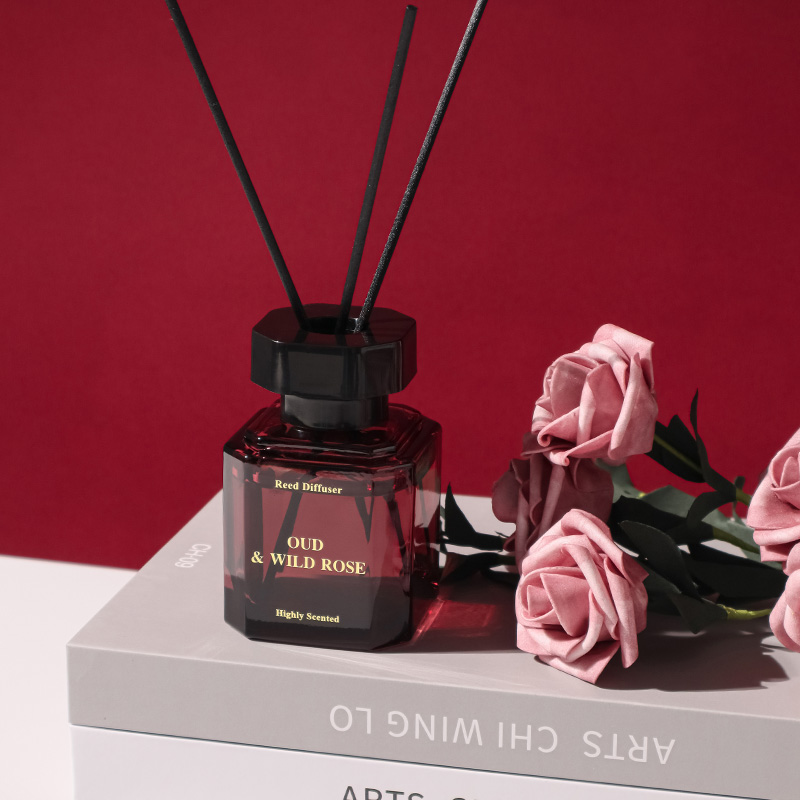
Reed diffusers are one of the oldest and simplest types of scent diffuser. The reeds soak up the fragrance oil and gradually release the scent into the surrounding air. It's an extremely easy diffuser to use, requiring no electricity or batteries — the reeds simply absorb the oil, and the fragrance is slowly released.
Pros:
Reed diffusers are extremely easy to use and need no power source at all, which makes them portable and easy to place anywhere. They're also attractive and double as a decorative accent — just set one on a table, shelf, or dresser, and the fragrance will release slowly over a long period.
Cons:
The downsides of reed diffusers are the need to top up the fragrance oil regularly and the lack of any way to adjust scent intensity. For that reason, they may not be the best fit for rooms where a stronger fragrance is needed.
When is a reed diffuser the right choice?
Reed diffusers are perfect for small rooms such as bathrooms, bedrooms, or offices. They're also great for subtle fragrances that don't need to be particularly strong.
Stone diffusers
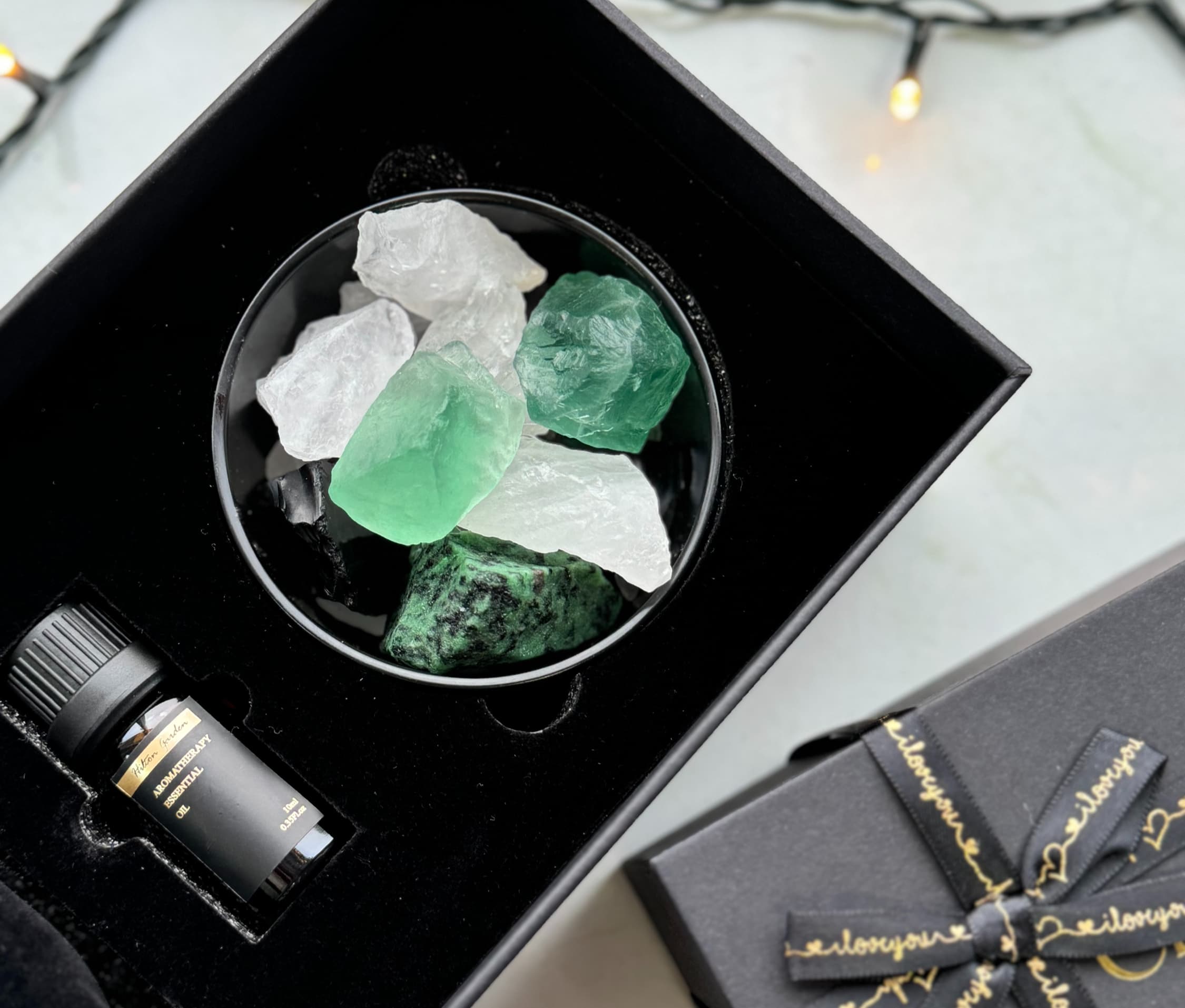
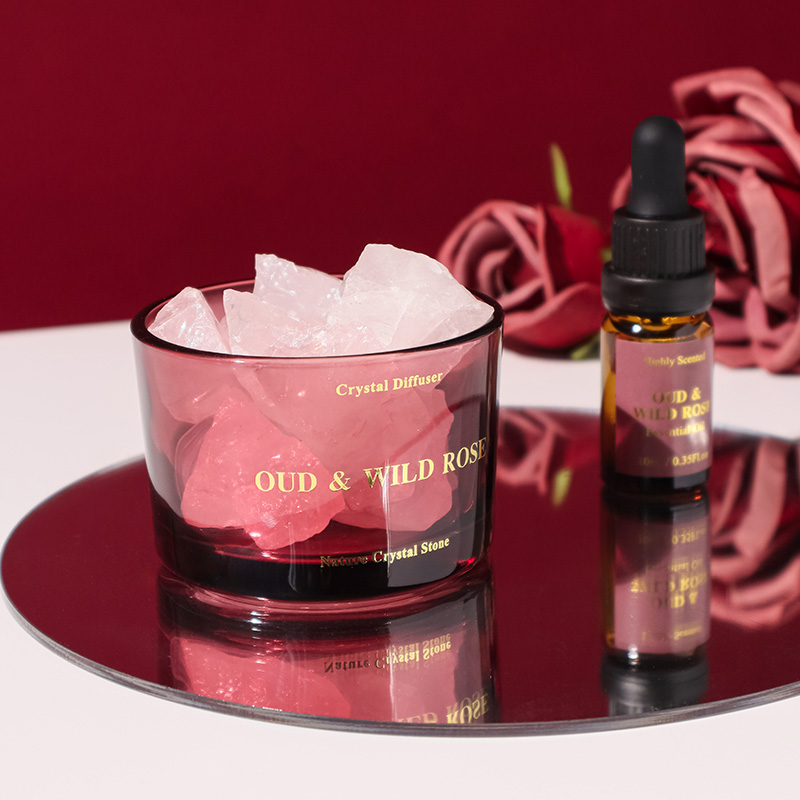
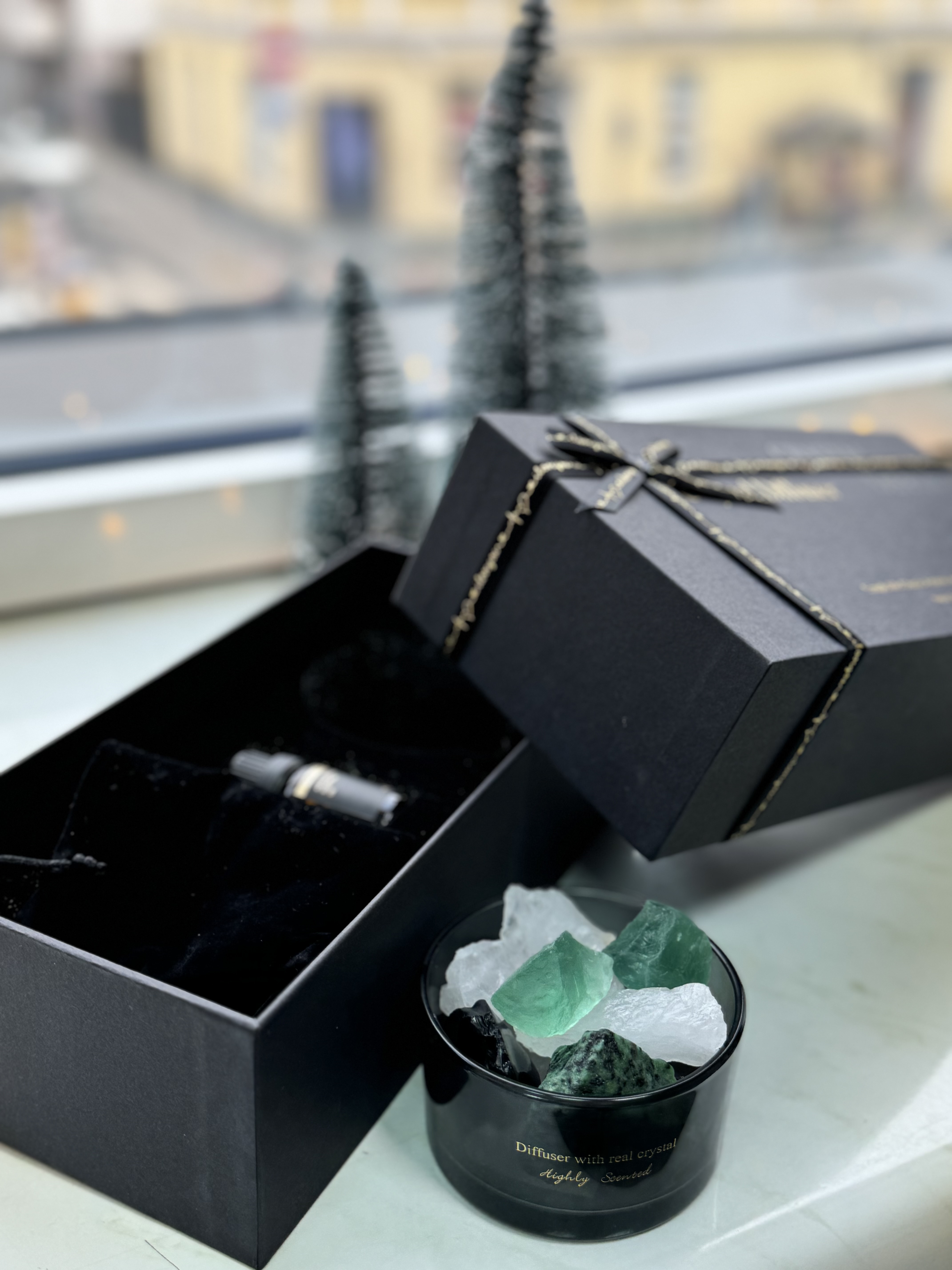
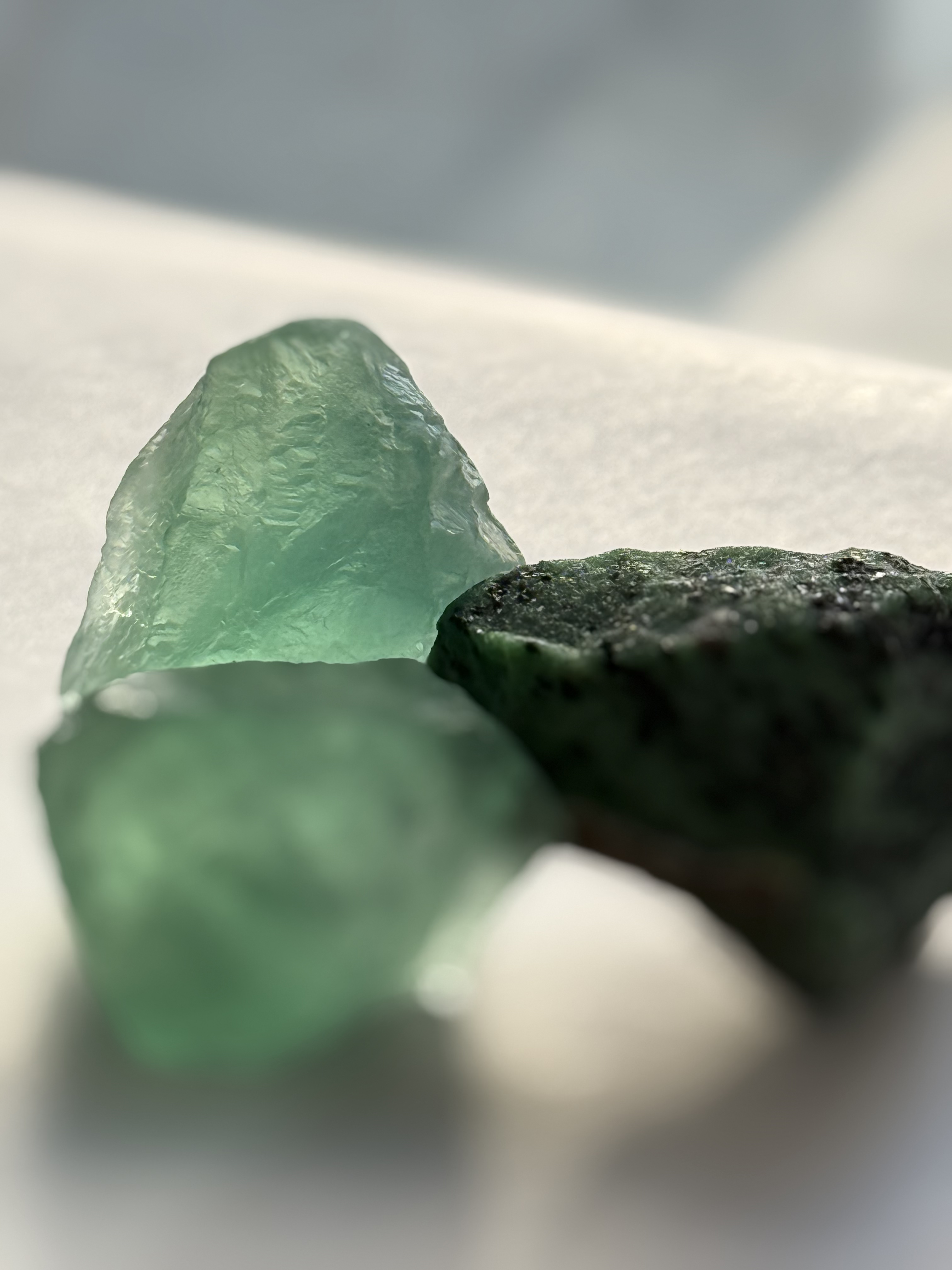
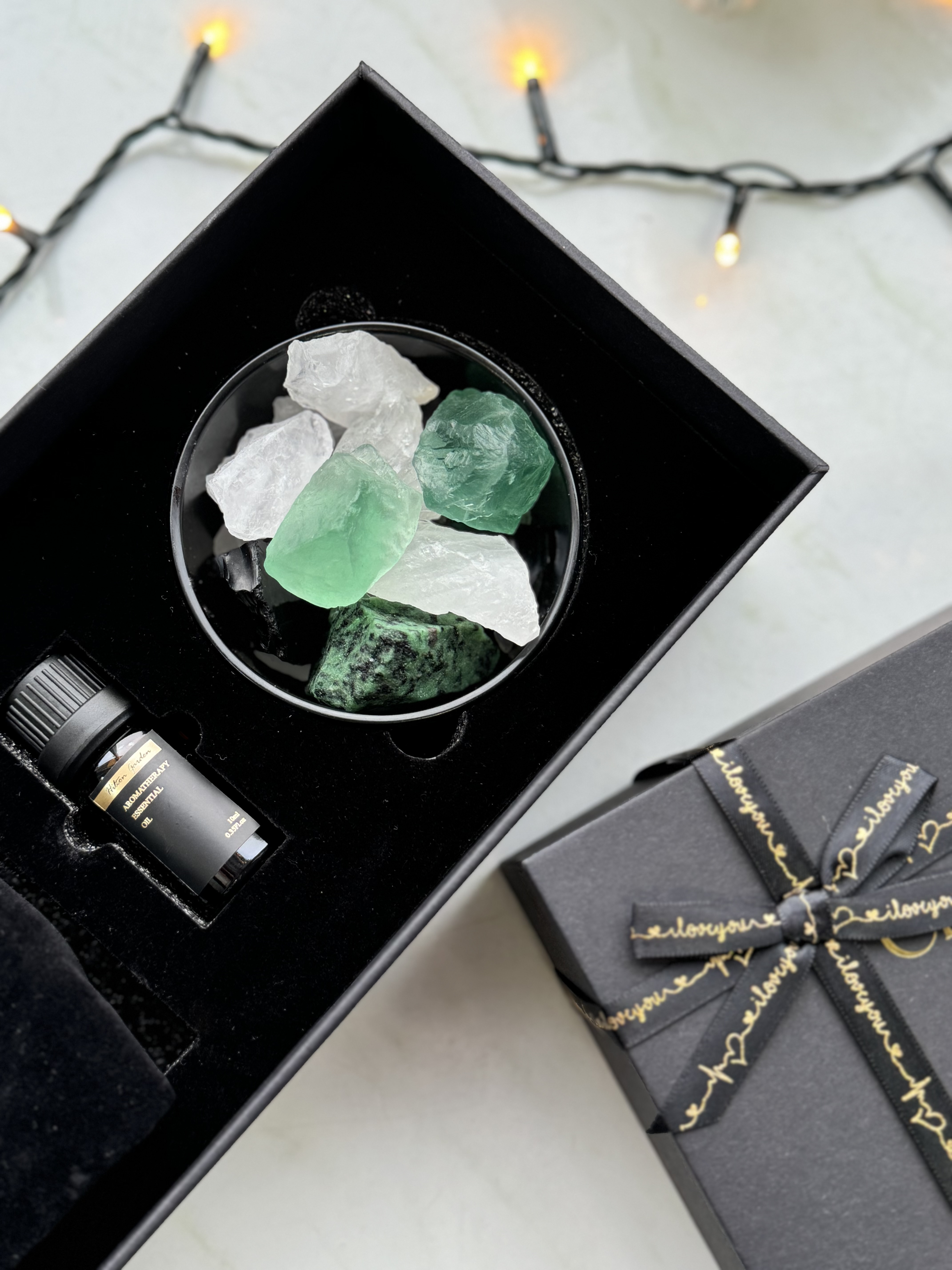
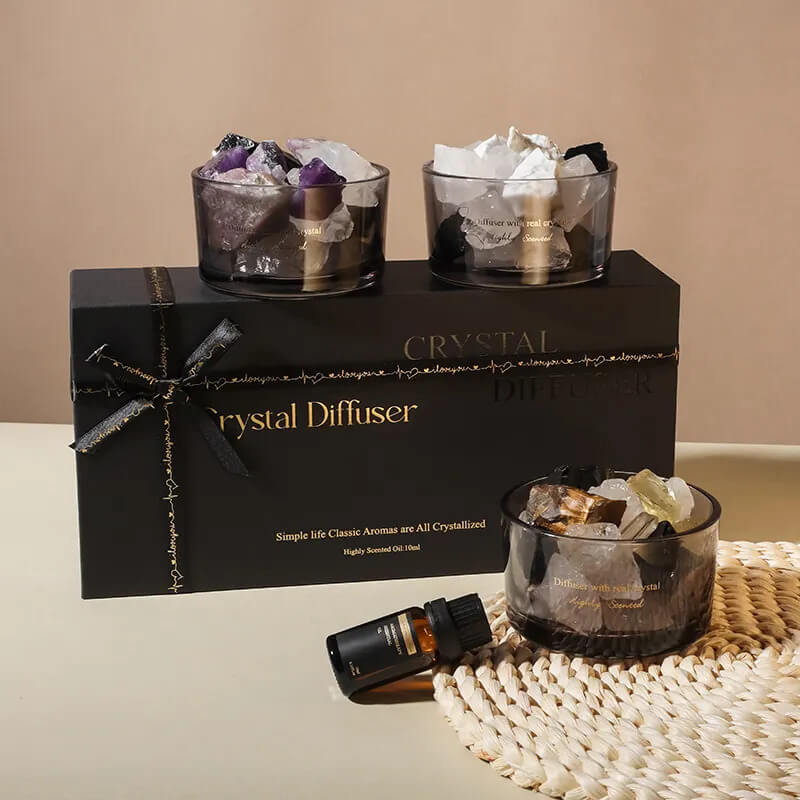
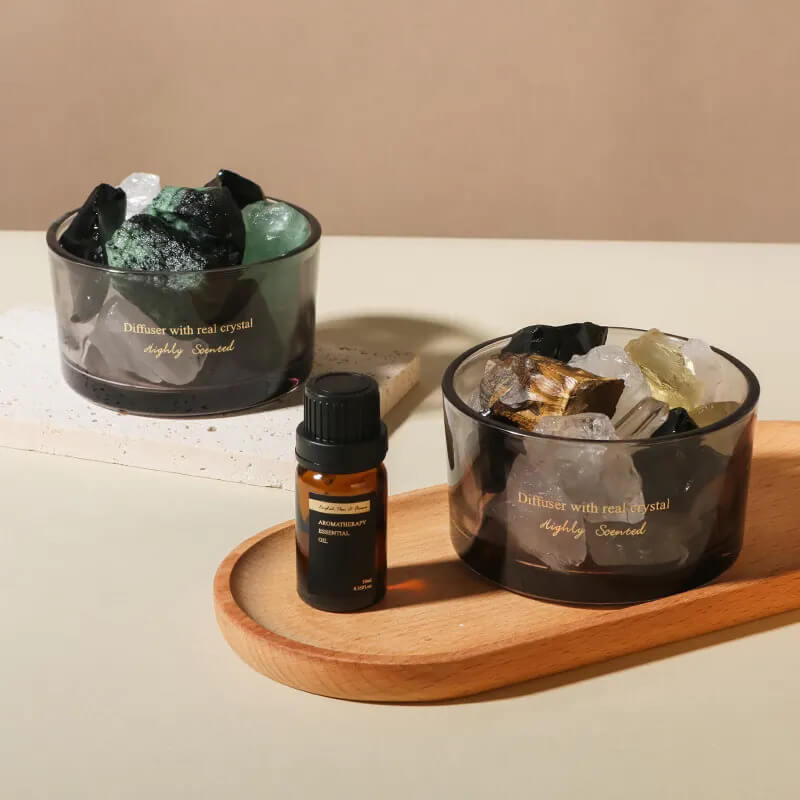
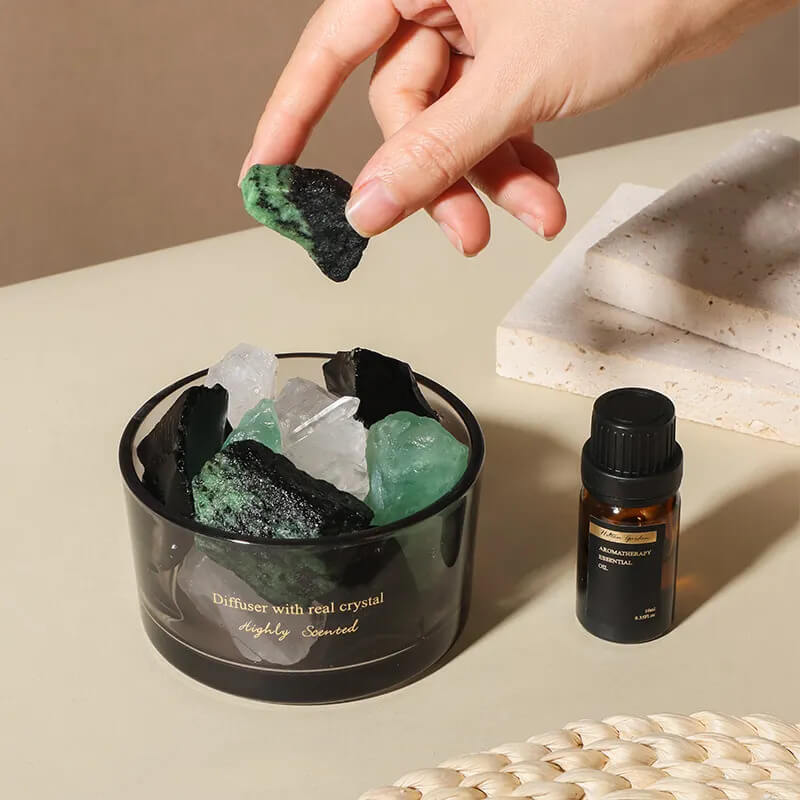
Stone diffusers are another traditional type, releasing fragrance as the stone absorbs the oil. They're known for a subtle yet long-lasting effect, making them an ideal choice for smaller spaces.
Pros:
They're simple to use, attractive, and provide a long-lasting effect. Because the stone absorbs the fragrance, the result is gentle and enduring.
Cons:
The lack of intensity control makes them less flexible compared with other types of diffuser.
Perfect for subtle fragrances in smaller rooms
Stone diffusers work best in small spaces, where a subtle fragrance won't feel overwhelming. They're also a great choice when aesthetics and a natural look matter to you.
Comparing the different types of diffusers
Choosing the right scent diffuser depends on several factors, including performance, ease of use, and how it affects the look of a room. Below is a comparison of the different types of scent diffusers: electric, humidifying, and traditional (reed and stone).
Duration and effectiveness
How long a fragrance lasts depends on the type of diffuser. Electric diffusers, thanks to their scent-dispersal technology (ultrasonic waves or fans), act quickly and intensely, delivering an immediate effect, and the fragrance intensity is easy to control, making them a very flexible option. Traditional diffusers, such as reed diffusers, work more slowly, releasing scent gradually — ideal for anyone who prefers subtler aromas. Stone diffusers behave similarly, but with an even gentler, longer-lasting fragrance.
Efficiency
Electric diffusers are the most efficient in terms of running time and fragrance intensity. They spread the scent evenly over a longer period, but they consume electricity and fragrance oil. Reed and stone diffusers are less efficient in that sense, but they require minimal upkeep and are economical to run, since they need neither electricity nor frequent refills.
Running costs
Electric diffusers come with electricity costs and the need to replace fragrance oil regularly. While the upfront investment may be higher, their efficiency and adjustable intensity make them worthwhile in the long run. Reed and stone diffusers have low running costs, since they need no electricity, though the fragrance oil still needs to be topped up regularly.
Usability and comfort
When it comes to ease of use, electric diffusers offer the highest level of comfort. Simple operation, adjustable scent intensity, and automatic shut-off make them an ideal solution for offices and large spaces. Humidifying diffusers, besides aromatherapy, also offer air humidification, which is especially valued during the heating season. Traditional diffusers are the simplest to use, requiring no extra settings at all, though their effect is subtler and they need regular oil refills.
Aesthetics
A diffuser's appearance matters a great deal, especially as part of interior decor. Electric diffusers often come in a modern, minimalist design that suits contemporary interiors. Reed diffusers, on the other hand, are frequently chosen for their elegant, classic packaging, which pairs beautifully with traditional decor. Stone diffusers, thanks to their natural look, are a great choice for rustic or eco-style interiors, bringing in harmony and subtlety.
Choosing a diffuser to match your interior style
The choice of diffuser also depends on the character of the space it's used in. Electric diffusers suit modern offices and living rooms, where control over the scent is key. Reed and stone diffusers, on the other hand, work well in bedrooms, bathrooms, and more understated spaces, where subtlety and natural design matter most.
Every type of scent diffuser has its own unique benefits and use cases. The right choice depends on what matters most to you — fragrance intensity, interior aesthetics, or ease of use.
How to choose the right scent diffuser?
Choosing the right scent diffuser depends on several factors worth considering, so you get a device that truly matches your needs. Before settling on a particular model, think about which room it will be used in, what fragrance effect you're after, and what functions the diffuser should offer. Below are a few criteria to help you make the best choice.
Criteria for choosing a scent diffuser based on your needs
The first step in choosing a scent diffuser is to define exactly what you need the device for. If you want fast, intense fragrance release with precise control over its intensity, an electric diffuser is the best solution. Thanks to various power settings and timers, you can tailor how the device works to your own needs.
If instead you're after a gentle, subtle fragrance that lasts a long time, reed or stone diffusers are an excellent choice. These traditional solutions work without electricity and release scent gradually, creating a pleasant atmosphere in the room.
For anyone who wants to combine aromatherapy with air humidification, humidifying diffusers are the ideal solution. Thanks to this extra function, a humidifying diffuser helps maintain the right air moisture level, which is especially useful during the heating season, when indoor air tends to be dry.
When should you choose an electric, humidifying, or traditional diffuser?
Electric diffuser is the best choice if you want a fast, intense fragrance along with adjustable intensity. It works well in large rooms, offices, and spaces where the scent needs to be noticeable for a long time. Extra features like adjustable intensity and automatic shut-off are major advantages.
Humidifying diffuser is the ideal solution for rooms where the air is dry, such as offices or homes during the heating season. Thanks to its humidifying function, it not only improves air quality but also adds a pleasant fragrance. It's well worth choosing for a bedroom, a child's room, or any other space where comfort and health matter most.
Traditional diffuser (reed or stone) is a great choice when you want a subtle scent and simple operation. Reed diffusers work well in small rooms such as bathrooms or hallways, where large-scale scent dispersal isn't needed. Stone diffusers, meanwhile, suit natural, rustic interiors, adding an elegant, understated fragrance.
Differences in use across homes, offices, and service spaces
In home interiors, it's worth choosing diffusers that offer a subtle yet lasting release of fragrance. Electric diffusers suit living rooms and large spaces, where the scent needs to spread evenly, while reed diffusers work perfectly in smaller rooms such as bathrooms or bedrooms.
In offices, where concentration and comfort matter, a humidifying diffuser is a good solution — it releases a pleasant scent while also humidifying the air, which benefits employees' wellbeing. Electric diffusers, with their adjustable fragrance intensity, are also an effective choice, especially in open-plan spaces.
In service spaces such as hotels, spas, or restaurants, electric or humidifying diffusers are the best solution. They quickly and effectively set the right atmosphere, drawing in guests with a pleasant fragrance. Traditional diffusers, such as reed diffusers, can be used in smaller spaces where there's no need for intense scent dispersal.
Choosing the right diffuser depends on individual needs, the type of space, and the fragrance effect you're after. Whichever model you choose, a scent diffuser will become an elegant and functional addition to any interior.
Tips and advice for using scent diffusers
To keep a scent diffuser working effectively for as long as possible, it's worth following a few basic rules about how you use, store, and care for it. Proper care will let you enjoy its functionality for longer, and the fragrance will fill the space evenly and pleasantly.
How to care for a scent diffuser so it lasts as long as possible?
First and foremost, replace the fragrance oil regularly to avoid leftover residue that can affect the device's performance. With electric diffusers, avoid overheating the unit by using it according to the manufacturer's instructions. Humidifying diffusers should be kept clean, with the water changed regularly to prevent bacteria and mould from developing.
Tips for storing and cleaning the device
Store the diffuser in a dry, cool place, away from direct sunlight. If the device hasn't been used for a while, clean it before using it again to remove any leftover oil or water. Electric diffusers should be cleaned according to the manufacturer's instructions, while reed and stone diffusers just need a wipe with a cloth to prevent oil from building up on the surface.
Which fragrance oils work best with different types of diffusers?
For electric diffusers, it's best to choose thinner oils that spread easily through the air, such as citrus, lavender, or eucalyptus. Reed and stone diffusers work best with more concentrated fragrances, such as rose, jasmine, or sandalwood, which release evenly over a long period.
Keep these tips in mind, and your scent diffuser will keep working smoothly for a long time, creating a pleasant atmosphere in your home.
Summary
Scent diffusers are an incredibly popular solution that make it easy to improve the atmosphere in any interior. There are many different types of diffusers, each with its own unique features, pros, and cons. The key differences between them come down to how they work, fragrance intensity, maintenance needs, and suitability for different spaces.
Electric diffusers are the best choice for anyone who wants an intense, fast-spreading fragrance along with the ability to control its intensity. They work perfectly in large rooms, offices, or spaces where the scent needs to be noticeable for a long time. Humidifying diffusers combine aromatherapy with air humidification, making them a great choice for spaces where the air is dry, such as during the heating season. Meanwhile, traditional diffusers, such as reed or stone models, are known for their subtle effect and are perfect for small rooms or as a decorative touch. These devices need no electricity, but their effect is more understated and long-lasting.
Tips on which type of diffuser best suits your needs:
If you want the scent to spread quickly and precise control, choose an electric diffuser.
If you want to improve air quality in a room and add moisture, a humidifying diffuser is the best option.
If you prefer a subtle scent and simple everyday use, reed and stone diffusers are the perfect solution.
Making an informed choice and trying out different types of scent diffusers will help you find the device that best matches your expectations. Whichever model you choose, a scent diffuser will create a unique atmosphere in your home, office, or any other space.