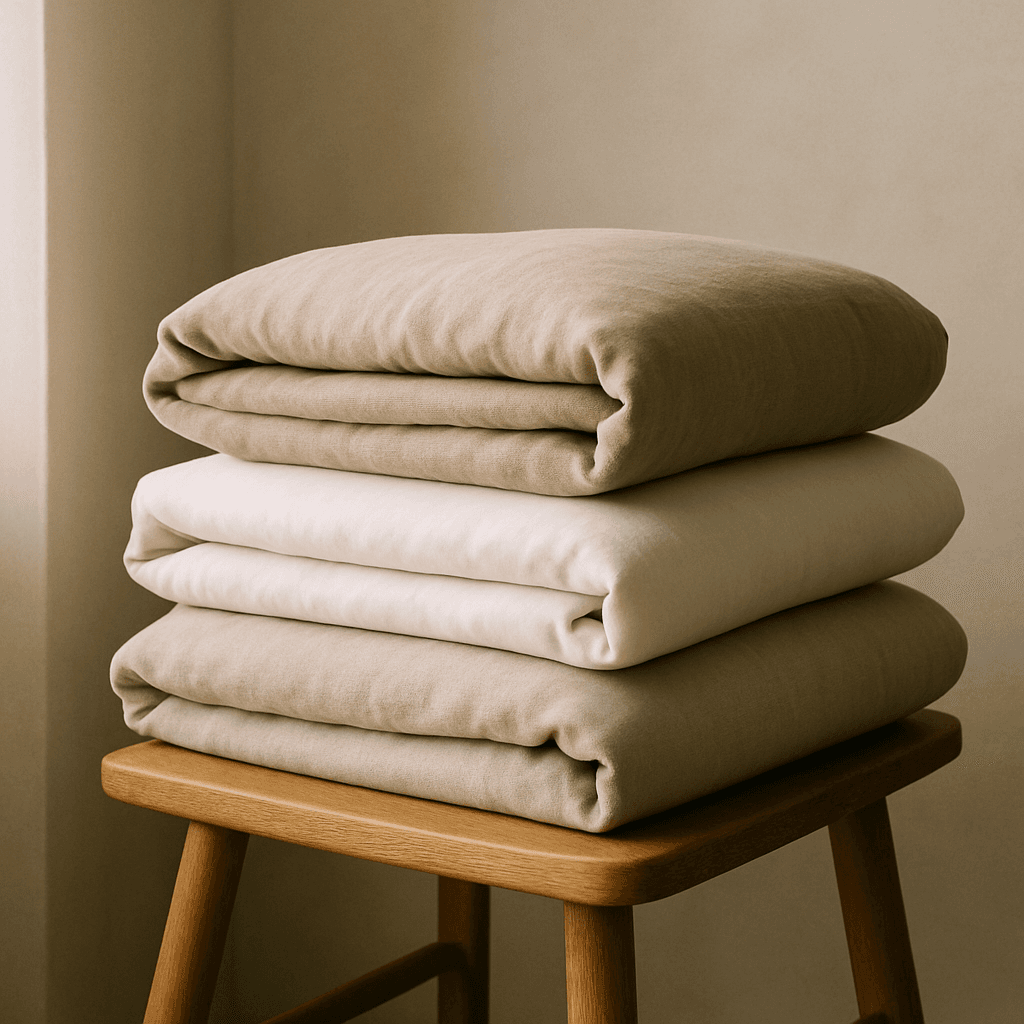


Candles have been with us for centuries, serving both practical and decorative purposes. Today they are not only a source of light but a decorative element and a tool for relaxation. Not every candle is the same, however. The choice between soy and paraffin candles can significantly affect our health, the environment and the atmosphere at home. Why is it worth paying attention to their composition and origin? Informed consumer decisions can improve the quality of our lives and reduce our negative impact on the planet.
The history of candles: from natural materials to modern alternatives
The first candles were made from natural animal fats and plant waxes. As industry developed, paraffin appeared – cheaper and readily available, but less ecological. Today the growing popularity of soy candles marks a return to more sustainable materials.
Guide:
Composition and origin Effect on health Burn time Scent and quality in use Ecology and environmental impact Price and availability 5 key differences between soy and paraffin candles How to choose the ideal candle? Summary |
Composition and origin
What is soy wax? The production process and sources of the raw material
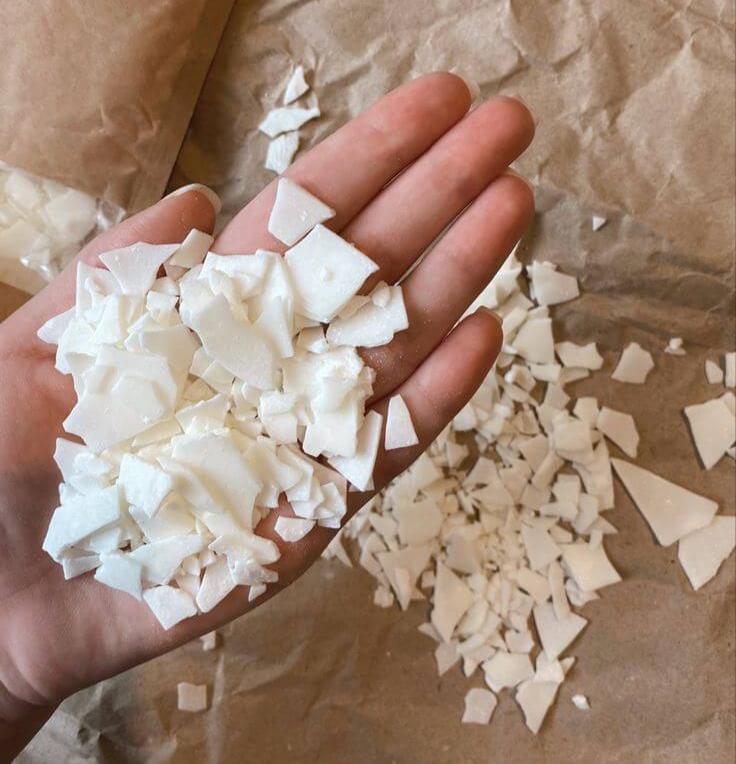
Soy wax is a natural, plant-based material derived from soybeans. It is made by pressing soybean oil, which is then hardened (hydrogenated) to achieve the right consistency for making candles. Soybeans are readily available and renewable, which makes soy wax an ecological choice. Producing soy wax generates a smaller carbon footprint than paraffin, and its biodegradability makes it more environmentally friendly.
Paraffin wax – how is it made and where does it come from?
Paraffin wax is a by-product of refining crude oil. It is produced by purifying raw oil fractions, which makes it a cheap and widely available material. Its production is closely tied to the petrochemical industry, however, which contributes to greenhouse gas emissions. Paraffin wax is not biodegradable and leaves a larger ecological footprint.
Comparing chemical composition: differences in naturalness and renewability
Soy wax is fully natural and comes from renewable plant raw materials. Paraffin wax, by contrast, is a synthetic substance based on non-renewable resources. Burning paraffin can release harmful substances such as toluene and benzene, which does not occur with soy wax.
Certificates and ecological standards
Soy candles may hold ecological certificates such as USDA Organic or EcoCert, confirming their sustainable production. Paraffin candles rarely meet strict ecological standards, which makes them a less attractive choice for conscious consumers. Choosing a certified candle is a step towards a healthier environment and better wellbeing.
Effect on health
Emissions while burning: soy versus paraffin
Burning candles releases various chemical compounds that can affect the quality of air in a room. Soy candles burn cleanly and emit minimal amounts of toxins and soot. Paraffin candles, made from crude oil, can by contrast release harmful compounds such as benzene, toluene or formaldehyde. These substances can irritate the respiratory system, particularly in enclosed spaces.
Can paraffin candles be toxic? Facts and scientific research
Research has shown that burning paraffin involves the emission of volatile organic compounds (VOCs), which can have a harmful effect on health, especially with long-term exposure. Using paraffin candles in small, poorly ventilated rooms can lead to irritation of the eyes and airways and to poorer air quality. Although in most cases the level of emissions poses no direct threat, it can be problematic for sensitive people.
The soy candle – an option for people with allergies and sensitivity to scent
Soy candles are friendlier to people with allergies and sensitivity to scent. Natural soy wax contains no artificial ingredients that can irritate the airways. In addition, the clean burning of soy wax minimises the risk of allergic reactions, which makes it an ideal choice for children, older people and allergy sufferers.
Comparing the level of soot and air pollution
Soy candles generate considerably less soot than paraffin ones, which means they are not only healthier but do not soil surfaces in the home such as walls or ceilings. By choosing soy candles you can enjoy cleaner air and healthier surroundings, which makes them a more responsible choice for your home and your health.
Burn time
Why does a soy candle burn longer? The effect of melting point
Soy candles stand out for their longer burn time, which follows from the lower melting point of soy wax. The candle therefore burns more slowly and evenly, letting you enjoy its glow for longer. The lower melting point also means soy wax burns in a more controlled way, without producing excess soot or wasting material.
How to save by choosing candles? The durability of soy versus paraffin wax
Choosing soy candles is an investment in durability. Although their price may be higher, a longer burn time means better efficiency and a lower cost per hour of use. Paraffin wax burns faster, which calls for replacing candles more often and can generate higher costs over a longer period.
Comparative tests: burn time of candles of the same size
Research shows that a soy candle of the same size and weight as a paraffin one can burn 30–50% longer. That makes soy candles a more economical solution for anyone who values durability and quality. Choosing soy candles also means less waste, which is a further argument in favour of ecological alternatives.
Scent and quality in use
Differences in how the two kinds of candle release scent
Soy and paraffin candles differ in how they release scent, which directly affects the comfort of using them. Soy wax melts at a lower temperature, which allows aromas to be released evenly over a longer period. Paraffin wax, by contrast, melts faster, which can lead to a more intense but shorter release of scent.
The natural aromas of soy candles versus the synthetic scents of paraffin candles
Soy candles often use essential oils and natural scent essences, which makes their aromas subtle and more authentic. Paraffin candles usually contain synthetic scent compositions, which can be more intense but less pleasant for people sensitive to artificial additives. The natural scents of soy candles are ideal for anyone who values delicacy and a healthy indoor climate.
Assessing the atmosphere created by both types of candle
Soy candles create a more pleasant atmosphere thanks to cleaner burning, minimal soot emission and more natural aromas. Paraffin candles can generate more intense scents, but their burning often involves emitting irritants and depositing soot. Choosing soy candles ensures healthier, more comfortable surroundings, ideal for relaxing, meditating or evenings at home.
Ecology and environmental impact
The biodegradability of soy candles and the problem of paraffin waste
Soy candles are biodegradable, which means that after use they leave a minimal trace in the environment. Soy wax comes from renewable sources such as soybeans, which makes it friendlier to the planet. Paraffin wax, by contrast, a by-product of refining crude oil, is difficult to break down and can pollute the environment. Packaging for paraffin candles often contains plastic, which further increases their negative impact on nature.
The carbon footprint of producing both kinds of candle
Producing soy wax generates a considerably lower carbon footprint than producing paraffin. Soy cultivation can be a renewable resource, and emissions from the production process are limited. The petrochemical industry that paraffin comes from, by contrast, is one of the main sources of greenhouse gas emissions, which affects climate change negatively.
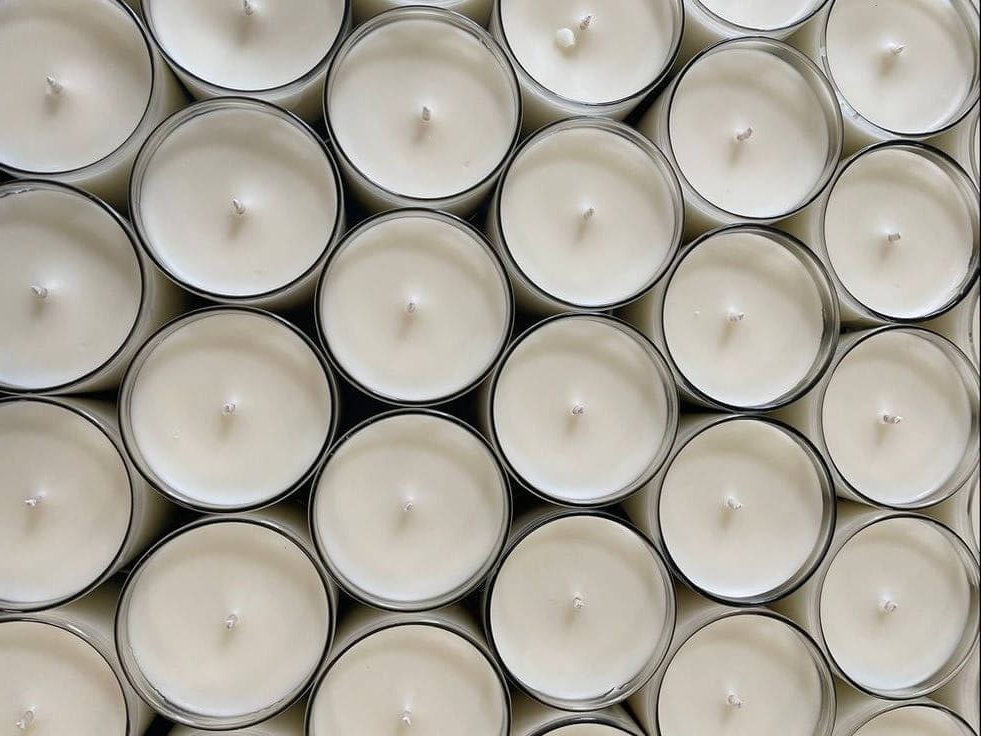
Life-cycle analysis of soy candles as the more ecological choice
Across their whole life cycle, from production to disposal, soy candles have a smaller impact on the environment. Biodegradability, lower emissions while burning and a renewable source of raw material make them a more sustainable choice. By choosing soy candles, consumers can contribute to reducing waste and support more ecological solutions. It is a conscious step towards protecting the planet.
Price and availability: soy versus paraffin candle
The production costs of soy candles and their higher market price
Soy candles are more expensive than paraffin ones, mainly because of higher production costs. Soy wax, sourced from renewable raw materials, requires more sustainable processes, which affects the final price.
The availability of soy and paraffin candles on the market
Paraffin candles are more readily available thanks to lower costs and mass production. Soy candles, though ever more popular, still occupy a smaller segment of the market.
Comparing the cost of use over a longer period
Soy candles burn longer, which means a lower cost per hour of use. Despite the higher price, they are therefore more economical in the long run.
5 key differences between soy and paraffin candles
Composition
Soy candles are made from natural soy wax derived from renewable raw materials. Paraffin wax is a by-product of refining crude oil, which makes it synthetic and non-renewable.
Health
A soy candle burns cleanly, emitting minimal amounts of toxins and soot, which makes it safer for people with allergies and sensitivity to scent. Paraffin candles can release harmful substances such as toluene and benzene, which can irritate the airways.
Durability
Soy candles burn more slowly thanks to a lower melting point, which extends their use by as much as 30–50% compared with paraffin candles. They are therefore more economical.
Scent
A soy candle releases scent subtly and evenly, which makes the aromas more natural and delicate. Paraffin candles offer more intense scents, but often based on synthetic ingredients.

Ecology
Soy wax is biodegradable and comes from renewable sources, which makes soy candles friendlier to the environment. Paraffin candles leave a larger carbon footprint and generate waste that is difficult to break down.
Choosing soy candles is the healthier and more sustainable solution.
8. How to choose the ideal candle?
What to look for when buying candles?
Choosing the ideal candle depends on several key factors. Above all, pay attention to the composition. If health and ecology matter to you, choose candles made from natural waxes such as soy, coconut or beeswax. Check too that the candle's wick is made from cotton or wood, avoiding wicks reinforced with metal, which can release toxins while burning. Another aspect is scent – natural essential oils are healthier and more pleasant than synthetic aromas. When buying, also pay attention to burn time – soy candles burn longer than paraffin ones, which means greater efficiency.
Certificates and labels: how to avoid misleading claims
It is worth choosing products that hold the right certificates, which confirm their quality and ecological credentials. Certificates such as EcoCert, USDA Organic or Vegan Society guarantee that a candle is made from natural, sustainable raw materials. Beware of misleading labels such as "natural candle", however, which may concern only a small part of the composition. Read the ingredient list carefully – full transparency from the producer is a sign that you are buying a high-quality product.
Recommendations for different needs: health, ecology, economy
If health is the priority, choose soy or beeswax candles, which burn cleanly and emit no harmful substances. They are ideal for allergy sufferers and people sensitive to scent. For anyone who cares about the environment, the best choice will be candles in plant waxes with biodegradable packaging and ecological certificates. If economy matters to you, choose soy candles – their longer burn time makes them more cost-effective per hour of use than paraffin ones.
The choice of candle depends on individual needs, but informed buying decisions let you enjoy a pleasant atmosphere at home without a negative impact on health and the environment.
Summary
The key differences between soy and paraffin candles
Soy and paraffin candles differ in many important respects. Soy candles stand out for their natural, renewable composition, clean burning and longer burn time, which makes them a more ecological and healthier choice. Paraffin candles, though cheaper and more readily available, are made from non-renewable raw materials, and burning them involves emitting toxic substances and more soot. The key differences also include scent – soy candles provide subtle, natural aromas, while paraffin ones often rest on synthetic scent compositions.
An informed choice – why does it matter for you and the environment?
An informed choice of candle has a direct effect on health, on the quality of air at home and on the natural environment. By choosing soy candles you support sustainable production and reduce your ecological footprint. They are safer for children, allergy sufferers and people sensitive to scent. By choosing paraffin candles you expose yourself to toxins and generate larger amounts of waste that is difficult to dispose of. Making an informed choice is an investment in health and in protecting the planet.
The future of candles – does paraffin still have a place?
Faced with growing ecological and health awareness, the popularity of soy candles and other alternatives based on natural waxes will grow. The paraffin industry may lose significance, particularly among consumers who value quality, durability and ecological responsibility. Although paraffin is still a cheap and common choice, changes in consumer preferences point to the need to rethink its role in the candle market in future. Soy candles, thanks to their many advantages, are setting a new standard in this category.